


 Munzir Hakimi
Table of Contents
Introduction
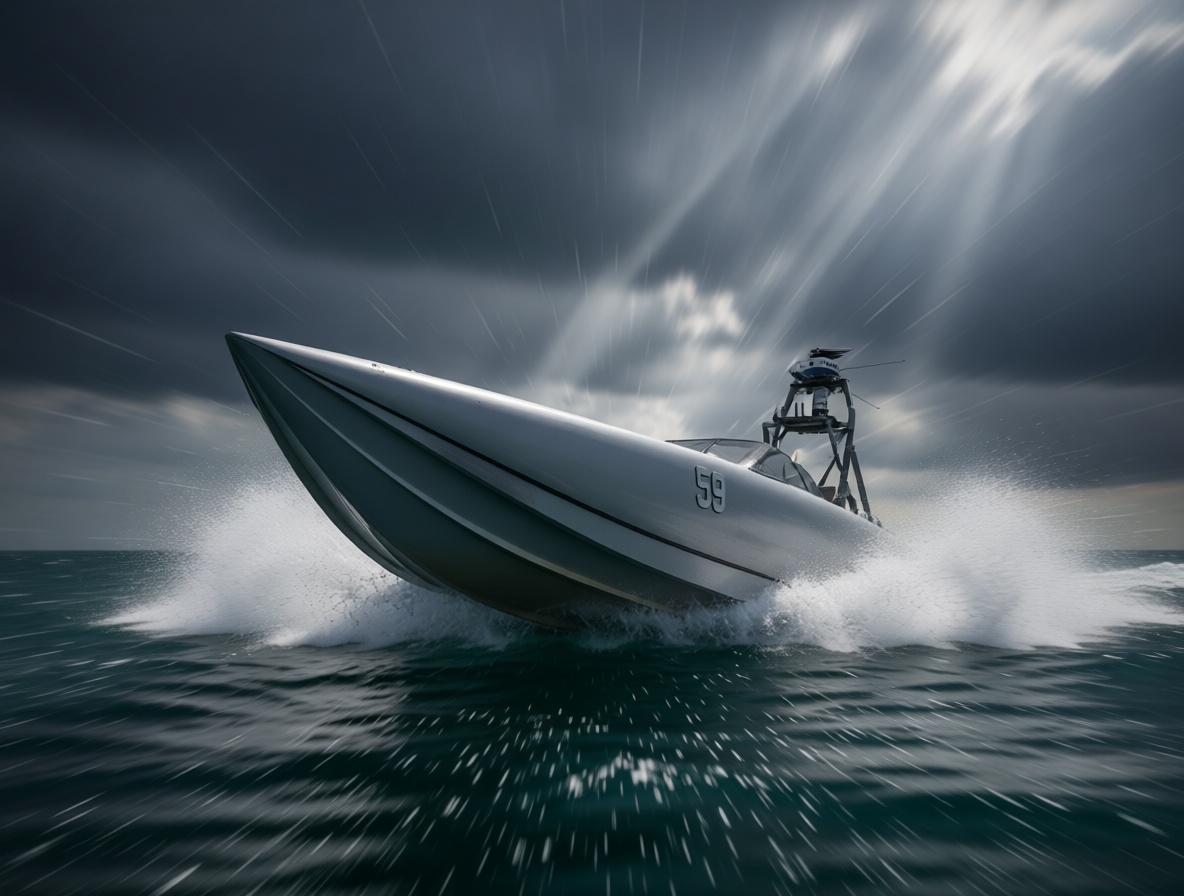
Imagine you are a sailor on watch. The ocean is calm, but your gut tells you something has changed. Soon, robot boats could be launching attack drones straight at your ship, and the Pentagon wants those boats built in just 120 days.
That timeline puts incredible pressure on engineers, forces taxpayers to pay more for rushed hardware, and pushes rival nations to speed up their own unmanned fleets. This isn’t a distant sci-fi warning—it is a real shift in how wars will be fought, and it touches your safety, your wallet, and the world you live in.
The 120-day Sprint That Changes Everything
When the Pentagon says “we need robot boats that launch attack drones in four months,” engineering teams feel the crunch. Think about building a house in a week—cutting corners, skipping sleep, hoping nothing breaks. That is exactly what these teams face, and the pressure is enormous.
Why should you care? Because rushed engineering often means less testing. A boat that hasn’t been fully checked might malfunction at sea, putting sailors in danger. Your tax dollars are funding a gamble where speed matters more than certainty.
For the sailors on those ships, the consequence is personal. They will have to trust machines built under extreme time pressure. That trust might be the difference between life and death, and no one wants to be the first crew to discover a flaw mid-mission.
Your Tax Dollars At Warp Speed
Rapid prototyping sounds exciting, but it comes with a price tag. Emergency funding and faster procurement cycles mean less time for budget debates and more money funneled into unproven projects. Taxpayers are the ones picking up the bill, often without a clear say in how it is spent.
Imagine your household budget being suddenly raided for an urgent, untested purchase. That is what happens when the Pentagon rushes. Money that could fix roads, schools, or healthcare gets redirected to build robot boats that may or may not work as promised.
The emotional toll is real: frustration at a system that feels out of control. You work hard for your paycheck, only to see it poured into a frantic race. This isn’t just about defense—it is about priorities, and you deserve to know where your money is going.
A New Arms Race On The Water
Once the United States unveils robot boats that launch drones, rival nations won’t sit still. They will study the technology, copy what they can, and push their own versions forward. A global drone boat arms race has already begun, and it will only accelerate.
What does that mean for you? More unmanned vessels on the world’s oceans mean more chances for miscalculation or conflict. A single rogue drone could trigger a chain reaction no one intended. Your sense of safety in a connected world gets a little shakier as every navy races to build the next generation of autonomous weapons.
On a personal level, this arms race feels like a snowball rolling downhill. Nations pour resources into matching each other, and ordinary people are left watching from the sidelines. The only certainty is that change is coming fast, and it will reshape how nations interact—and how wars begin.
Conclusion

This new arms race isn’t slowing down. Rival nations will keep building, and the pressure to match them will only grow. You can’t stop the technology, but you can choose to stay aware of what is happening and how it affects your world.
The real takeaway is personal: pay attention to defense news, ask questions about spending, and understand that your voice matters in debates about military priorities. In a world of robot boats and drone swarms, staying informed is the one thing you can control.
What do you think? Does knowing Earth’s “delivery story” change how you feel when you look at the stars?