


 Munzir Hakimi
Table of Contents
Introduction
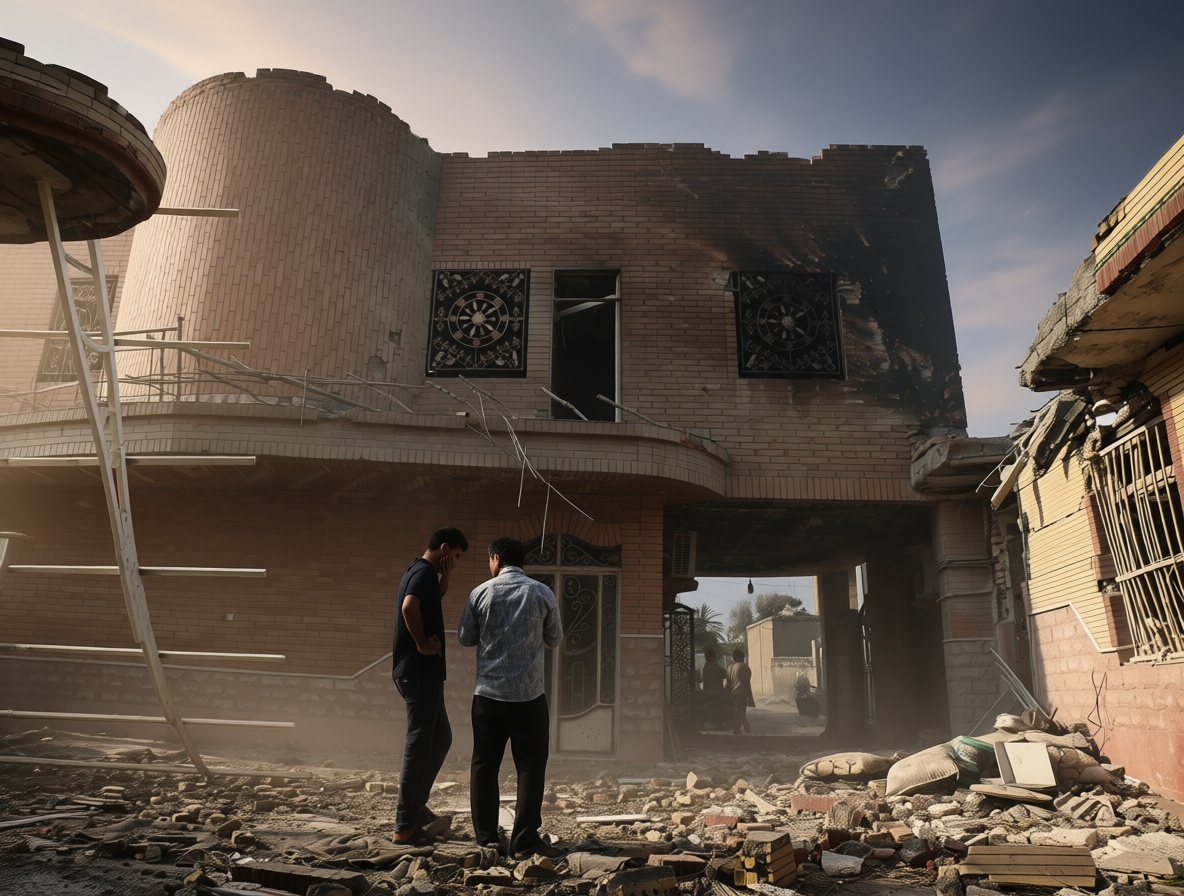
Picture an invitation to a wedding and the excitement that comes with it. Now imagine that same invitation arriving in a place where danger is part of daily life. You want to celebrate, but a small voice asks whether it is safe. This fear became real for families in Iran when a wedding turned into a report of four dead and dozens wounded. In one stroke, joy became grief, and war was suddenly at the doorstep.
That moment raises a difficult question: should a family gathering be worth the risk? It also changes how officials count and treat such events. When a wedding enters the official toll, the way military and relief systems think about civilians can shift forever. This article looks at why it matters—not as distant news, but as something any person could feel.
When A Wedding Ends In Grief
Think about a wedding you actually attended, with the squeezed hands, the warm toast, and the joy that filled the room when the music started. Now put that same scene inside a war zone, where one evening can end with an official report, not a quiet drive home. In Iran, a wedding became exactly that: four people killed and dozens wounded, all of it reduced to a sentence read on the news.
The people at that wedding were not soldiers, and they did not choose to be anywhere near the fighting. They came together to witness a couple’s hope for the future, and one official announcement turned that hope into immediate grief. That is the part that makes civilians feel the war’s arrival in their own chests: it didn’t wait for a battlefield and it found ordinary people at a wedding.
Once you hear that story, your ordinary sense of safety starts to crack. You no longer believe that a celebration will protect you from harm, because this one did not. The report means a person can choose a joyful event and still face the immediate arrival of conflict—so every civilian is left asking what it takes to stay safe now.
When A Wedding Invitation Carries Fear
A wedding invitation in a conflict zone never arrives as just a pretty card in the mail; it always carries a date, a name, and a hidden question that sits in your chest as you read it. Is this celebration worth the danger? You want to stand beside someone you love, but fear of becoming a casualty follows you into the room.
Refusing the invitation doesn’t feel like an option either. This person invited you to witness one of the most important days of their life, and you know your absence would hurt them in a way they might never say out loud. So you begin bargaining with yourself: maybe the roads will be calm, maybe the hall is in a quieter area, maybe this one time will be okay.
Once you arrive, the worry does not disappear; your eyes sweep the room, and every sudden noise pulls at your attention. A part of you stays alert while the rest of you tries to enjoy the moment, so the evening becomes a mix of love and fear. This is what war does to relationships: it turns a family gathering into a reason to feel afraid, and it makes normal joy feel like a gamble.
After A Wedding Enters The Official Toll
When a wedding appears on an official list of dead and wounded, the loss stops belonging only to the family who lived through it. Governments, military planners, and aid groups read those lists carefully, and they watch for places where civilians are most exposed. A gathering that used to mean nothing more than joy now stands out as a civilian-protection flashpoint—a place where harm to civilians is very real—and that shift can change future decisions.
Escalation rules are the guides soldiers and relief workers use to decide whether a situation is dangerous enough to act and how much force is acceptable. After a wedding has already caused such civilian losses, those guides may be rewritten with far more caution around large family events. A crowd of civilians starts to look like a flashpoint, which means the usual reflexes may no longer apply.
For someone inside that crowd, the change is invisible but huge; future gatherings may get more scrutiny, and that scrutiny can stop a mistake before it grows. The real gain from a wedding entering the official toll is not paperwork, because it gives those in charge a reason to pause. It doesn’t bring back the people who were lost, but it can make the next celebration safer.
Conclusion

When a wedding enters the official toll, it stops being only a private memory. It becomes a signal that military and relief systems have to notice, and that signal can lead to revised rules around family gatherings. This doesn’t soften the pain, but it gives civilian safety a chance to catch up.
Let the weight of that sit with you for a moment. When you read about a wedding and a death toll, don’t let it blur into the next headline. Behind the numbers, systems may already be changing how they treat family gatherings. It is not a perfect answer, but it shows how grief can guard the living.
What do you think? Does knowing Earth’s “delivery story” change how you feel when you look at the stars?