


 Munzir Hakimi
Table of Contents
Introduction
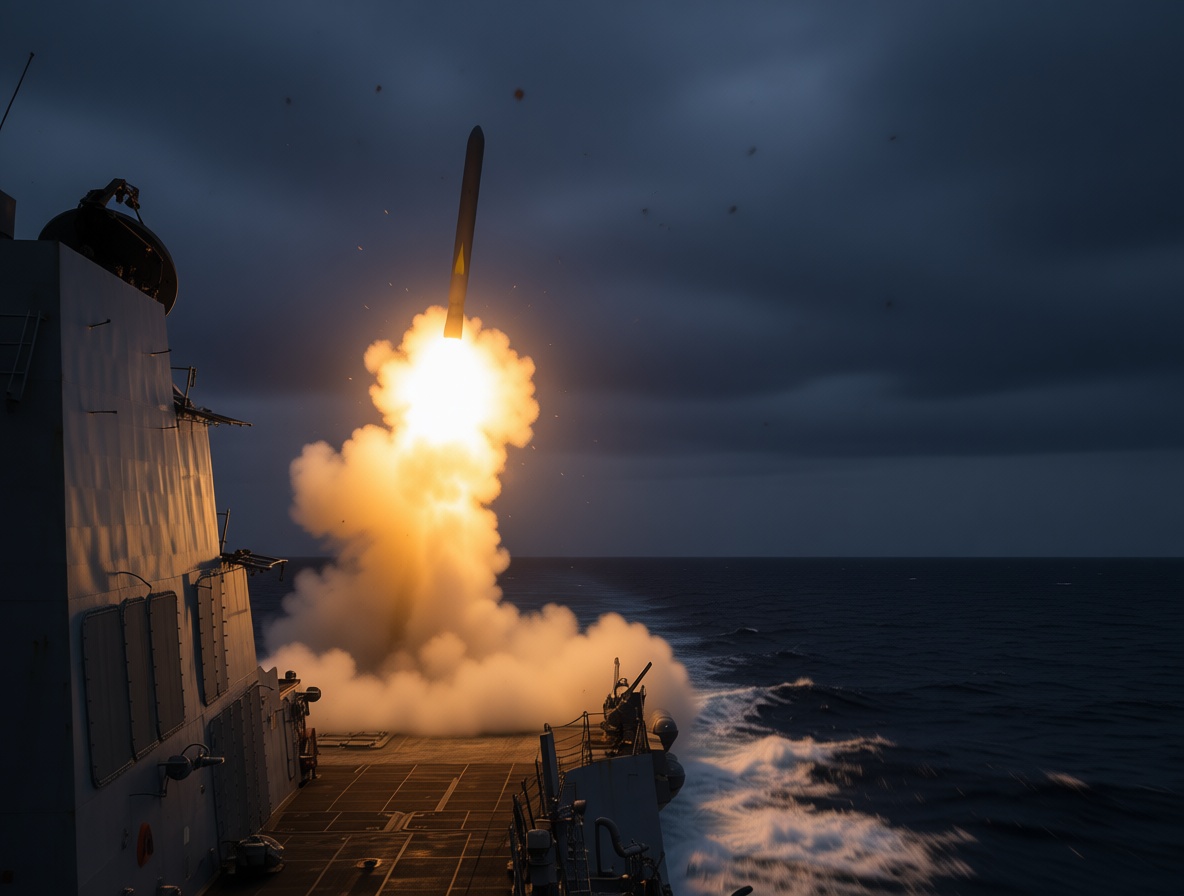
Imagine sitting in a room when someone says AI military targeting may move faster than people can authenticate. That was the feeling at a Wednesday hearing in Washington. Critics warned about that gap, and listeners were left uneasy. It is not a distant tech worry. It touches how much control people really have when serious decisions are on the line.
That unease grows when you think about what happens if checking takes longer than choosing. Defense teams could feel pushed to rush reviews and decide with less time to verify. As targeting speed rises, critics may demand clearer authentication steps and human review points before any action proceeds. The question is simple and heavy: can human judgment keep up, or will speed quietly push it aside?
The Warning That Left Listeners Uneasy
At a Wednesday hearing in Washington, critics gave a warning that felt hard to shake. They said AI military targeting may move faster than humans can authenticate, which means the moment for a person to confirm what is happening could pass before anyone catches it. Listeners were left uneasy.
Authentication is just the human check, the moment someone asks, ‘Are we sure?’ and takes time to confirm before something serious happens. If that check cannot keep pace with targeting, the warning is not really about cool technology or fast machines; it is about losing the human pause, and that matters because most of us want someone accountable when the stakes are high, even if we never sit in that room. That fear is not abstract; it is the worry that the check might become a formality.
Picture any moment when a quick decision could change lives. You would want a real person to look again before it goes forward, not just a system that is already miles ahead. At the hearing, critics warned that AI targeting might not leave room for that look, and that is why the room felt uneasy, a feeling that can follow you home because it makes you wonder whether speed is quietly becoming the final word.
When Authentication Takes Longer Than Targeting
Imagine being on a team where the clock is always winning. If authentication takes longer than targeting, defense teams may feel pressure to speed up reviews, compress checks, and decide before they are fully ready. That pressure can make careful people rush, and it can make them feel trapped between doing the thorough thing and doing the fast thing.
When you rush a review, you do not just save time; you borrow risk from the future, and defense teams may decide with less time for verification, turning a thoughtful pause into a split-second guess. Guess when lives are on the line is not something anyone wants to do. That is why this is not just a process problem; it is a human problem about fear, responsibility, and the regret that follows a bad call.
Picture a team that knows the check is supposed to protect people, but if the check takes too long, they may feel they have to cut it short anyway. Pressure can quietly change behavior. They may not want to skip steps, but less time for verification can make skipping feel normal, and the real consequence is trust: people wonder whether the review still means anything, and that worry can spread even before anyone sees a problem.
Pushing For Human Review Before Action
As AI targeting speed rises, critics may push for clearer authentication steps and human review points before any action proceeds. That push is not just about slowing things down or mistrusting new tools. It is about keeping people in the loop, so serious action does not feel like something that just happens to them.
When speed goes up, the easy choice is to trust the machine and move on, but critics may argue for clear steps and human review points because someone still has to answer for what happens. That answer matters to all of us. It means a person, not just a process, is expected to look, check, and decide before action proceeds, which can give people a sense of relief even if the technology keeps changing.
Picture a world where every fast action still has a clear pause built into it, which is what critics may be asking for: authentication steps that people can follow and human review points that are hard to skip. Those checkpoints can make speed feel less frightening. They do not remove the technology; they simply say that before any action proceeds, a human moment should still exist, and that is a small hope but a real one.
Conclusion

As AI targeting speed rises, critics may keep pushing for clearer authentication steps and human review points before any action proceeds. That push is worth holding onto, because it keeps a human moment in the picture. It says speed can grow, but it should not get the final word by itself. The lasting feeling is not fear alone. It is a quiet hope that people can still build checks into fast systems.
You may never make these decisions yourself, but you can still ask the human question: where is the review point before action proceeds? That question is simple, and it matters. It turns a distant debate into something personal. When speed rises, the call for clear steps and human review is really a call to keep responsibility human.
What do you think? Does knowing Earth’s “delivery story” change how you feel when you look at the stars?