


 Munzir Hakimi
Table of Contents
Introduction
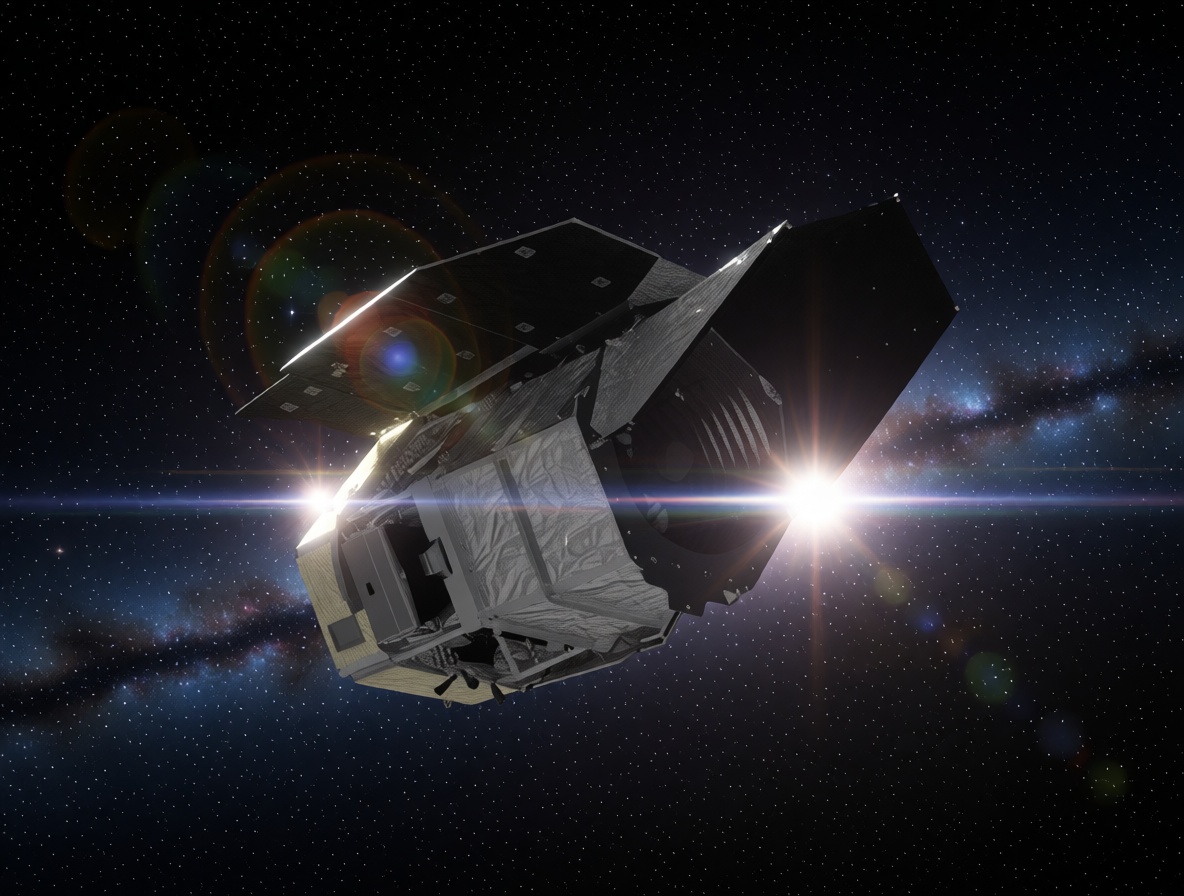
Sometimes a tiny, careful move changes everything. NASA’s Nancy Grace Roman Space Telescope fired a super-precise engine burn, and a mission planned for 10 years may now run for more than 20. That extra time stirs wonder, because it means more time to watch, learn, and discover.
But the ripple doesn’t stop there. Longer space missions may reduce replacement launches, shifting defense planning and launch schedules toward fuel-saving precision instead of constant hardware swaps. Space agencies and defense planners may then favor precision burns over brute-force fuel loads, seeking longer service and fewer replacements. This is a story about making things last, and about careful choices beating wasteful force. It hints at more time, more calm, and fewer rushed decisions.
A Tiny Burn That Stretched Ten Years Into Twenty
NASA’s Nancy Grace Roman Space Telescope did something quietly amazing. It fired a super-precise engine burn, and that one careful moment turned a planned 10-year mission into more than 20 years. That is a huge shift in time, and it feels like relief mixed with wonder because the end was pushed far into the future instead of arriving right on schedule for the whole team.
Think of a countdown you thought was already ticking down to goodbye. Then the clock slows, and suddenly there is room for more than you had planned. For the people who follow the telescope, that means the story doesn’t have to end when they expected, and a longer mission quietly brings more chances to be amazed.
Why should that matter to anyone outside space? Because we all know what it feels like when something important ends too soon. A longer mission can keep giving us moments of discovery, and it can keep reminding us that careful work can stretch a good thing further. It turns a short window into a wide-open one, and that makes the future feel a little less final for everyone watching from far away, and that is no small thing.
Fewer Replacement Launches Change The Plan
Longer space missions may reduce replacement launches, and that sounds like a really small scheduling detail, but it can shift defense planning and launch schedules in a big way. Less need to constantly swap hardware changes how people prepare for what comes next. For planners, that is a quieter kind of progress, with less churn and more room to think ahead.
When replacements aren’t the main answer, planning can lean toward fuel-saving precision instead of hardware swaps. That is a move away from always needing a fresh part or a new launch to solve the problem, and it asks people to trust careful tuning more than quick substitution. You can feel the difference as calm in the room, because care over constant replacement starts to shape the plan.
Why should you care about defense planning and launch schedules? Because rushed replacement cycles can make any system feel fragile, and fragile systems create worry. If longer missions mean fewer replacement launches, teams can put more thought into each decision, and steadier schedules and fewer panicked fixes can be a genuine relief for everyone who depends on things working when they are needed, not just when the next replacement is ready.
Precision Burns Beat Brute-force Fuel Loads
Space agencies and defense planners may start choosing precision burns over brute-force fuel loads. That means they are not just throwing more fuel at a problem and hoping it lasts. Make every drop count is the new goal, because longer service and fewer replacements change the whole way a mission is planned carefully from the start.
That shift feels hopeful in a very practical, quiet way. Instead of building bigger and heavier just in case, planners may trust a careful touch to carry them farther than raw force ever could. You can see the appeal: precision can turn short into long, and fewer replacements means less pressure to start over.
Why should this matter to you? Because we all live with limited resources, and we all know the exhaustion of always needing more. When space agencies and defense planners favor precision over brute force, they are showing a different way to think about endurance. Longer service and fewer replacements can mean less waste, less rush, and more real confidence that the things we rely on will keep working, which is a lesson that can shape choices far beyond space, and it starts with one careful choice at a time.
Conclusion

Space agencies and defense planners may favor precision burns over brute-force fuel loads. That is not just a space trick. It is a choice to seek longer service and fewer replacements, to make what already exists last instead of always reaching for more stuff.
You can carry that idea into your own life. When something matters, ask where a careful adjustment could beat a huge, wasteful push. Precision can give you more time, and more time can feel like a quiet, lasting gift. The lasting takeaway is simple: lasting service starts with a wiser choice, not a bigger one.
What do you think? Does knowing Earth’s “delivery story” change how you feel when you look at the stars?