


 Munzir Hakimi
Table of Contents
Introduction
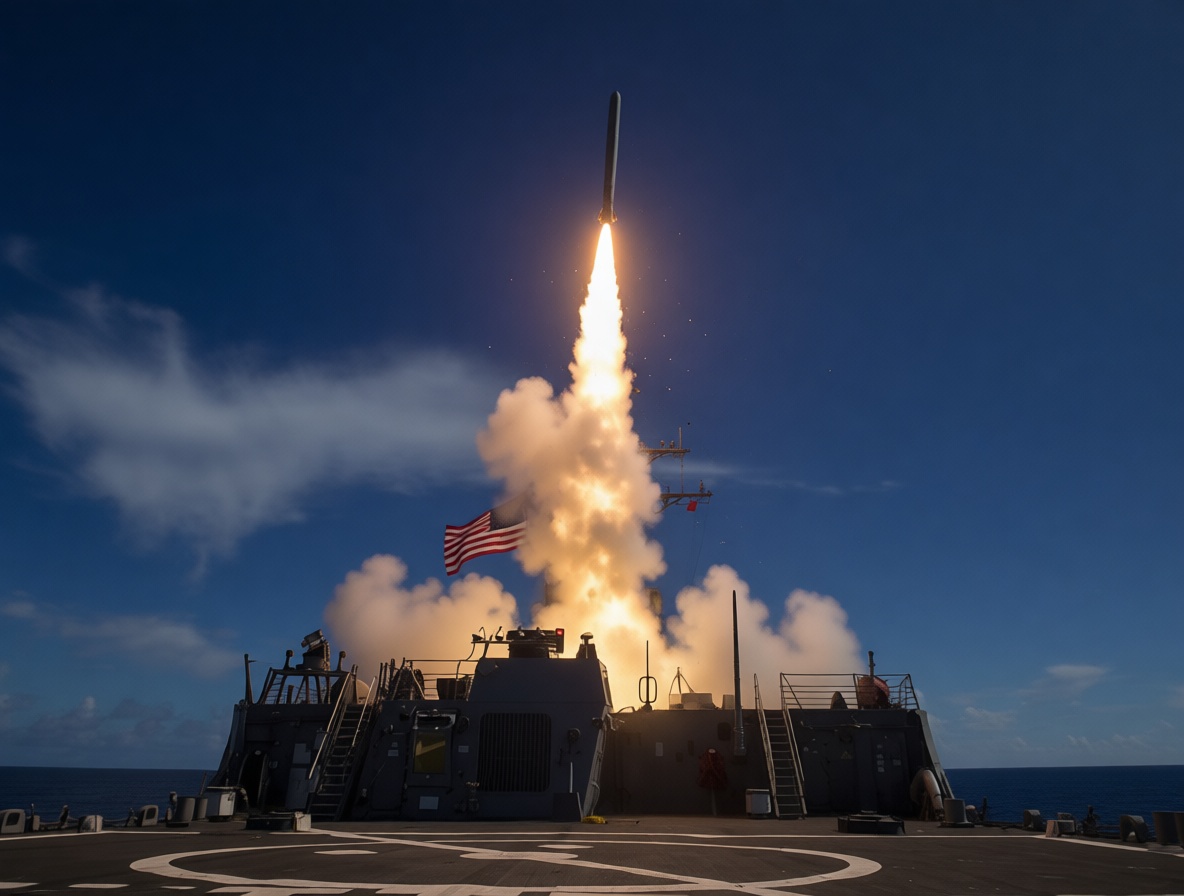
Your tax dollars are about to pay for something surprising. The Pentagon wants long-range strike weapons that cost under $250,000 each, and that request could trigger a rush among contractors to propose cheap, fast designs. It sounds like a bargain, but it also raises a big question: will cheaper mean less effective?
For ordinary taxpayers, this isn’t just a budget line item. It touches on how safe you feel and whether your money is spent wisely. At the same time, companies are already shifting their focus toward low-cost, rapid prototyping, which could speed up competition in ways nobody expected. The next few months might change how the military buys its tools—and what that means for you.
A Pentagon Price Cap Sparks A Contractor Stampede
Imagine a bidding war where the prize is a new missile that has to be built fast and stay under a quarter-million dollars. That’s exactly what the Pentagon just set in motion. Defense contractors are scrambling to come up with cheap, simple designs that can be approved in weeks, not years. This isn’t business as usual—it’s a race to the bottom on price.
Why should you care? Because speed and low cost often mean corners get cut. Think about buying a budget appliance versus a trusted brand: you save money upfront, but you cross your fingers it holds up. The same logic applies here—taxpayers might see new weapons delivered much faster, but there’s always the risk of reliability issues down the road.
In everyday terms, this could mean more frequent military upgrades without a huge jump in spending. But it also puts pressure on engineers to skip long testing cycles. For you, it’s a trade-off between getting more for your tax dollar and hoping the gear actually works when it matters.
Will Cheaper Weapons Mean Weaker Defense?
There’s a natural worry when something feels too cheap: does it still do the job? That’s the knot in your stomach when you hear the Pentagon wants missiles under a quarter million. Taxpayers are asking whether lower cost means less effectiveness, and that question is already sparking a heated public debate over defense spending and safety.
This isn’t just a policy wonk issue. When you hear about a bargain weapon, you might think of your own safety at stake. It’s like buying a discount bike lock for your front door—it saves cash but leaves you wondering if it’ll hold. The emotional pull is real: you want your country protected, but you also worry that cutting costs could put soldiers or civilians at risk.
The consequence for you is a choice in how you view military spending. Some will argue we can’t afford expensive systems, while others will demand nothing less than top-tier reliability. This debate will show up in news headlines, political ads, and maybe even conversations around your dinner table—and it all stems from that one simple price cap.
Companies Rush To Build Cheap And Fast Prototypes
When the Pentagon puts out a call for low-cost missiles, companies don’t wait. They’re already shifting their engineering teams toward rapid prototyping and frugal designs. Instead of years of development, they aim to have a working model in months. This creates a new kind of competition where speed and cost outweigh traditional perfection.
Why does this matter to you? Because faster innovation can mean lower prices not just for the military, but eventually for related technologies that trickle down to everyday life. Think of how smartphone competition drove down costs and improved features—a similar dynamic could happen here. But it also means less time for testing, so reliability is a gamble.
The practical outcome is more companies jumping into the race, which could break up the old monopoly contractors. For taxpayers, that might lead to more options and better value. Yet you may also feel a twinge of unease: when something is built in a rush, the first version often has bugs. Whether that risk is acceptable will depend on how much faith you put in the new approach.
Conclusion

This push for cheap, fast long-range missiles is more than a Pentagon memo—it’s a signal that how we build military gear is changing. Companies are racing to prototype at low cost, and that shift could bring both innovation and uncertainty. For you, the emotional takeaway is a mix of hope and caution: your tax dollars might buy more for less, but you’ll also be wondering if the savings come with hidden risks.
What can you do with this understanding? Pay attention to defense news over the next three months. The decisions made now will shape what kind of weapons your country relies on—and how your money is spent. It’s a simple reminder that even big government moves have a personal side, and staying informed is the best way to feel prepared rather than worried.
What do you think? Does knowing Earth’s “delivery story” change how you feel when you look at the stars?