


 Munzir Hakimi
Table of Contents
Introduction
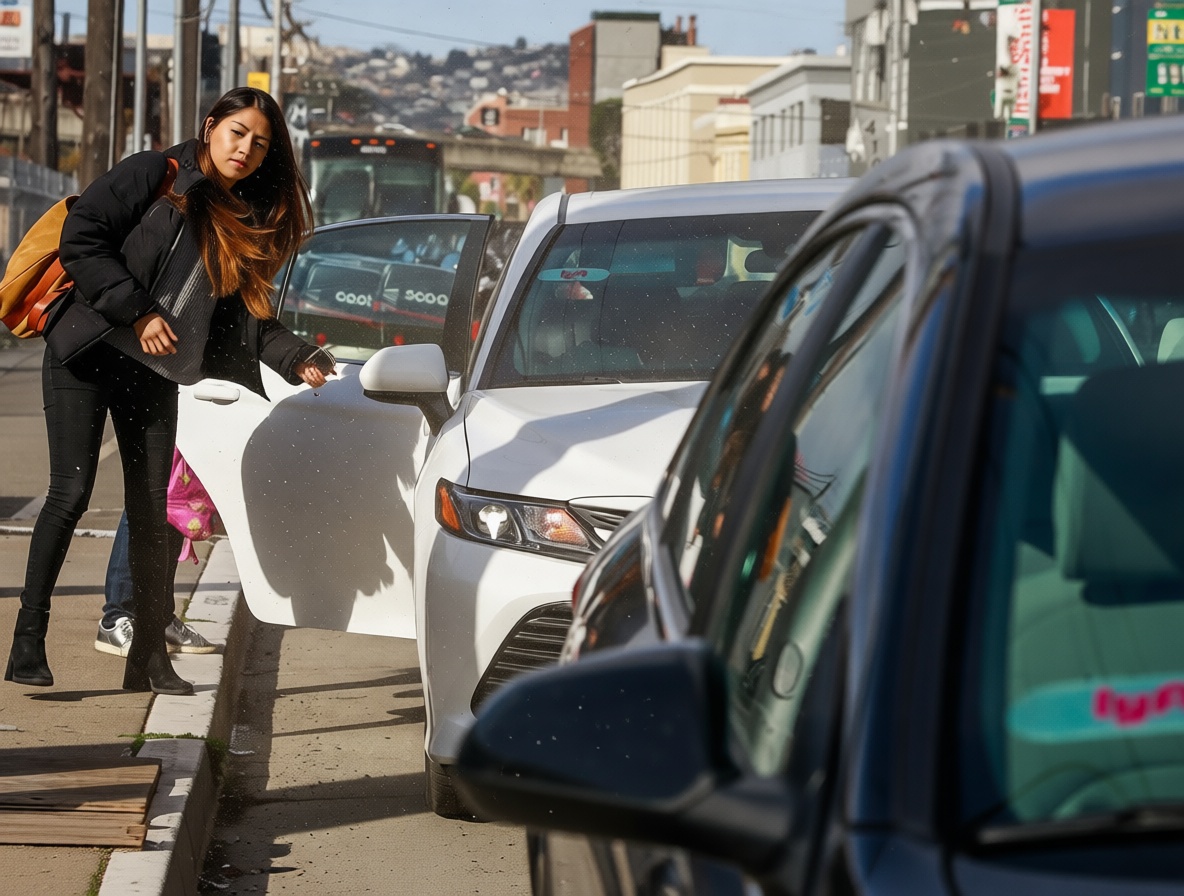
Every time you tap “Confirm Ride” on Uber, you’re paying for something that doesn’t help you at all. A shocking 20% of your fare goes to insurance — before you even step foot in the car. That’s one dollar out of every five, gone before your trip starts.
Even as your own auto insurance rates drop, ride costs stay stubbornly high. And here’s the real kicker: the savings might never reach you. The companies could be pocketing that money while you keep paying the same fixed fare. This isn’t just about a few extra dollars — it’s about understanding what you’re really paying for and whether you have any control over it.
The Fare You Pay Before You Even Sit Down
Imagine ordering a pizza and discovering that 20% of the price pays for the delivery driver’s insurance — money you’ll never see again. That’s exactly what happens with Uber. When you hit that confirm button, roughly $1 of every $5 covers insurance before the ride even starts.
So what? You’re paying for protection that doesn’t protect you. If you’re in an accident, your own insurance handles your medical bills, not Uber’s. That 20% is a hidden tax on convenience, and it leaves you wondering: why am I footing the bill for something that only benefits the company?
Why Your Savings At The Pump Don’t Pay For Your Ride
You’ve probably noticed your auto insurance rates dropping lately. Maybe you even celebrated a smaller bill. But your rideshare spending? It stays stubbornly high, no matter what. The savings your insurance company gives you aren’t passed along to your Uber fare.
Think about that: you’re paying less to insure your own car, yet every Uber ride still costs the same. It feels like the system is rigged — and it is. These savings vanish into thin air as far as your wallet is concerned. You end up wondering if you’re better off driving yourself, but traffic and parking make that a tough choice too.
The Hidden Hand That Keeps Your Fare High
Here’s the uncomfortable truth: rideshare companies may keep the insurance savings instead of lowering your fares. When they negotiate cheaper insurance policies, that money stays in their pockets. You keep paying the same fixed premium regardless of what the market does.
So what? You’re locked into a fare that never adjusts. Even if insurance costs drop across the industry, your Uber ride doesn’t get a penny cheaper. You’re paying a hidden surcharge that changes only when they decide. It leaves you feeling like a captive customer — one with no seat at the table when savings are handed out.
Conclusion

Now you know the truth: a chunk of every Uber fare is a fixed cost that doesn’t move with the market. The companies hold onto savings like a secret, and you’re left paying a premium that has nothing to do with your actual ride. It’s frustrating, but understanding this gives you power.
Next time you open the app, remember: that 20% isn’t about safety — it’s a silent tax on convenience. You can choose to accept it, or decide to drive yourself, walk, or call a traditional taxi. The choice is yours, but now you know what you’re choosing.
What do you think? Does knowing Earth’s “delivery story” change how you feel when you look at the stars?