


 Munzir Hakimi
Table of Contents
Introduction
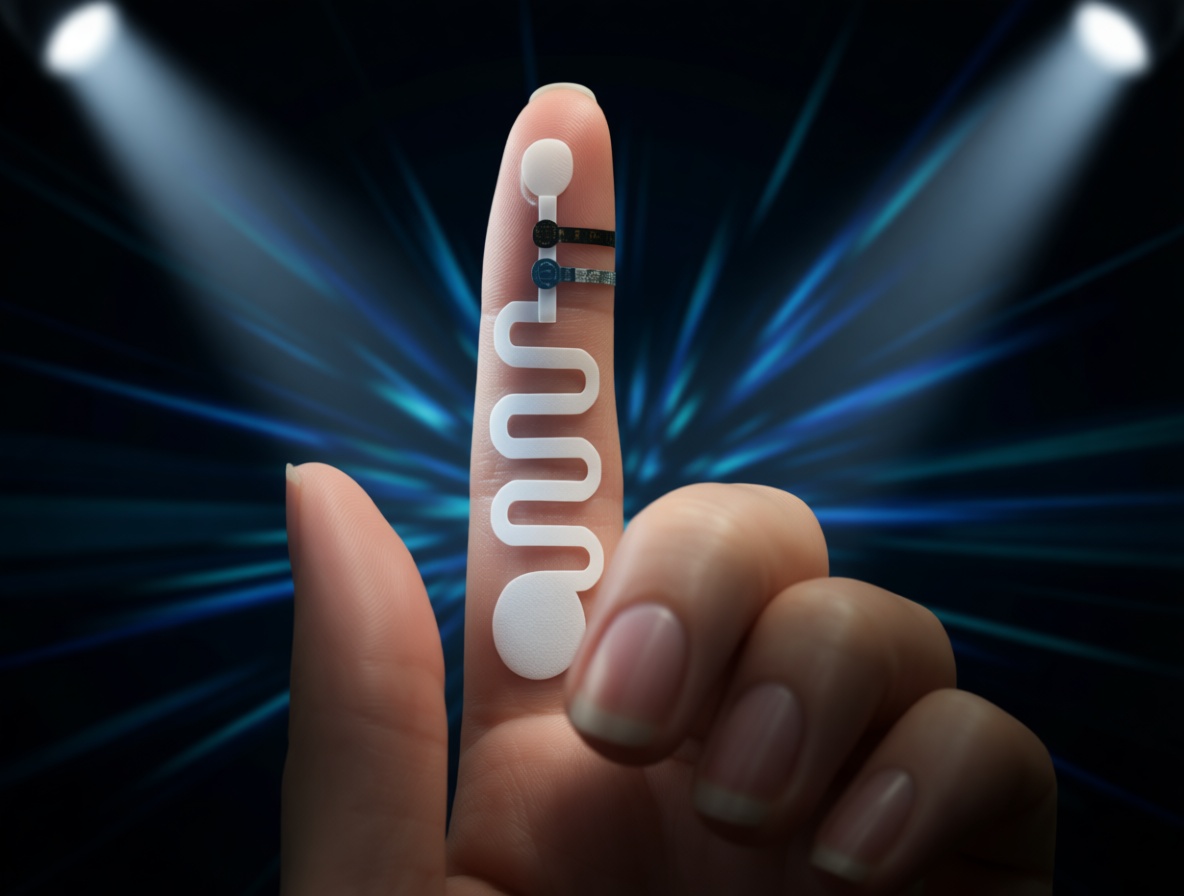
Imagine never needing another needle again. For people with Parkinson’s, that dream might soon become reality. A new fingertip patch can track medication levels through sweat instead of painful blood draws. That means no more daily pokes and no more waiting in clinic waiting rooms. It works without batteries, so there’s nothing to charge. And it could let doctors check your levels from home, cutting down on appointments. This isn’t just a tech upgrade—it’s a chance to feel more in control of your own body. Keep reading, because the way we manage Parkinson’s may be about to change forever.
A Patch That Ends The Pain Of Needles
Living with Parkinson’s often means regular blood tests to check medication levels. That means needles, bruises, and anxiety. But a soft fingertip patch now does the same job by measuring levodopa from sweat. You just wear it on your finger, and it continuously tracks the drug without drawing blood. So what? That means no more wincing every time you roll up your sleeve. No more dreading a visit to the lab. It turns a painful, stressful moment into something simple and painless.
Think about a typical morning. You wake up stiff, take your meds, and then wait. But with this patch, you can see if your levodopa levels are where they need to be—right from your fingertip. No needles, no waiting, no fear. The patch stays on and sends data to your phone or a monitor. It’s like having a nurse’s assistant glued to your skin, but without the pinch. For anyone who has felt the sting of a blood draw day after day, this is a huge relief. The emotional weight of constant poking finally lifts.
No Batteries, No Hassle, Total Freedom
Most wearable gadgets need charging every night. You forget, the battery dies, and suddenly your device is useless. But this patch works without any batteries at all. It draws its energy from the chemistry of your sweat itself. That means zero charging cost and zero charging hassle. So what? You never have to remember to plug it in. You never get that panicked feeling when the battery icon turns red right when you need it. It’s always ready, always working.
That simple freedom changes your daily routine. You can check your medication levels anytime, anywhere—at home, at work, or even while you sleep. No cables, no outlets, no stress. It’s like having a silent partner that never runs out of power. For people juggling the demands of Parkinson’s care, one less thing to worry about can be life-changing. Instead of managing a device, you get to focus on living. The patch just does its job, quietly and effortlessly, so you can feel in control without the extra burden.
Sweat Chemistry Could Replace Clinic Visits
Right now, keeping Parkinson’s under control means regular trips to the doctor for blood tests. Those visits take time, energy, and often involve long waits for results. But soon, doctors may rely on sweat chemistry instead. The patch measures levodopa from sweat, and that data can be sent straight to your healthcare team. No more scheduling appointments just for a blood draw. No more waiting days for lab results to come back.
This shift means faster adjustments to your medication. If your levels are off, your doctor can see it in real time and tweak your dose without you stepping foot in a clinic. Fewer visits, fewer delays, more control. Imagine the relief of skipping a full afternoon at the hospital and instead getting a quick text from your doctor saying, ‘You’re doing great.’ That’s the kind of change that doesn’t just save time—it gives you back your day. And it lets you feel more independent, because your care fits into your life, not the other way around.
Conclusion

This fingertip patch is more than a clever gadget—it’s a step toward a less intrusive, more flexible way to manage Parkinson’s. By using sweat chemistry instead of clinic blood tests, it could cut down on healthcare visits and delays. That means less time in waiting rooms and more time living your life. For anyone who has felt tied to a schedule of appointments and needles, this offers real hope.
The takeaway is simple: The way we monitor medication is changing. And if sweat can replace needles, then a whole new kind of freedom is possible. You may soon be able to check your own levels at home, share them with your doctor instantly, and adjust without a trip to the clinic. That’s not just convenient—it’s empowering. It puts you back in charge of your own health, one drop of sweat at a time.
What do you think? Does knowing Earth’s “delivery story” change how you feel when you look at the stars?