


 Munzir Hakimi
Table of Contents
Introduction
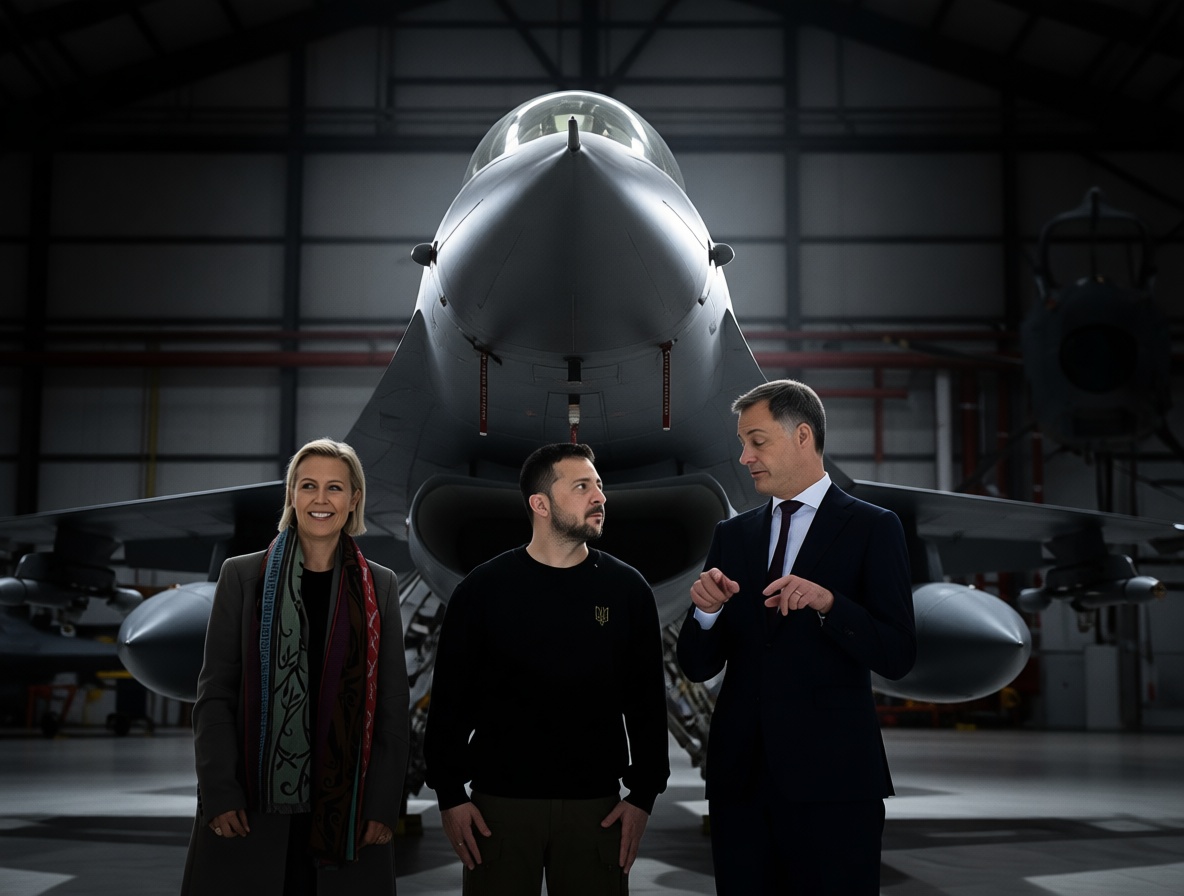
You hear about an old fighter plane and you figure it’s past its prime. But when a Ukrainian F-16 punched above its weight and scored a kill, everything changed. That single moment didn’t just give Kyiv’s air force a win—it sent a shockwave through the entire conflict.
This isn’t just a story about one pilot’s skill. It’s about how confidence can flip a war on its head. Russian pilots now have to watch their backs, ground troops face new dangers, and the whole air war is being rewritten. What does that mean for the people living through it? Everything.
A Historic First That Changed Everything
Picture a Ukrainian pilot in a cockpit that’s been around for decades. When he locked onto a Russian fighter and pulled the trigger, he didn’t just shoot down a jet—he shattered a wall of doubt. For the first time, an aging F-16 proved it could go toe‑to‑toe with Moscow’s best.
That victory sent a surge of belief through Ukraine’s entire air force. Pilots who had been flying mostly defensive missions suddenly felt something they’d been missing: hope that they could actually win this fight. Morale isn’t just a nice word—it’s the fuel that keeps people flying into danger.
For the average Ukrainian, this means hearing reports of a downed Russian plane doesn’t feel like a fluke anymore. It feels like a turning point. When your own side’s fighters start believing they’re the hunters, the whole mood of a country shifts.
Pressure Mounts On Russian Operations
Now imagine being a Russian commander who thought his air force ruled the sky. That single F-16 kill forces him to redraw every flight plan and patrol route. Jets can’t just fly wherever they want anymore—they have to dodge areas where that old fighter might be lurking.
This constant rerouting isn’t just an inconvenience. It means Russian ground troops lose the cover they once counted on. If enemy planes have to stay farther back, soldiers on the ground become more exposed to Ukrainian attacks. Daily operations—supply runs, troop movements, even mealtime resupplies—get riskier and more unpredictable.
For a soldier in a trench, this change is personal. The sky above used to feel safe; now every mission feels like a gamble. That constant uncertainty wears people down, both physically and emotionally.
Russian Pilots Face A New Reality
Put yourself in the helmet of a Russian pilot. You were trained to dominate the air, to assume your technology gave you an edge. But now an older F-16 has shown it can threaten you. The fear of being outmaneuvered by a so‑called antique is real, and it changes how you fly.
Instead of sweeping in with confidence, Russian pilots have to second‑guess every engagement. They spend more time looking over their shoulder, less time focusing on the target. Their tactics shift from aggressive to cautious—because one mistake against that F‑16 could be their last.
This loss of assumed superiority has a human cost. Pilots start sleeping less, flying more nervously, and the stress of being hunted wears on their decisions. The air war isn’t just about planes anymore; it’s about who can handle the psychological weight.
Conclusion

What sticks with you after all this is that an older machine, flown by determined people, can still change the game. The F‑16’s first kill didn’t just add a notch to a record—it reminded everyone that skill and guts matter more than shiny specs.
For anyone watching this war from afar, the takeaway is simple: don’t write off what looks outdated. Under the right pilot, even a seasoned fighter can rewrite the rules. That’s a truth that applies far beyond the battlefield.
What do you think? Does knowing Earth’s “delivery story” change how you feel when you look at the stars?