


 Munzir Hakimi
Table of Contents
Introduction
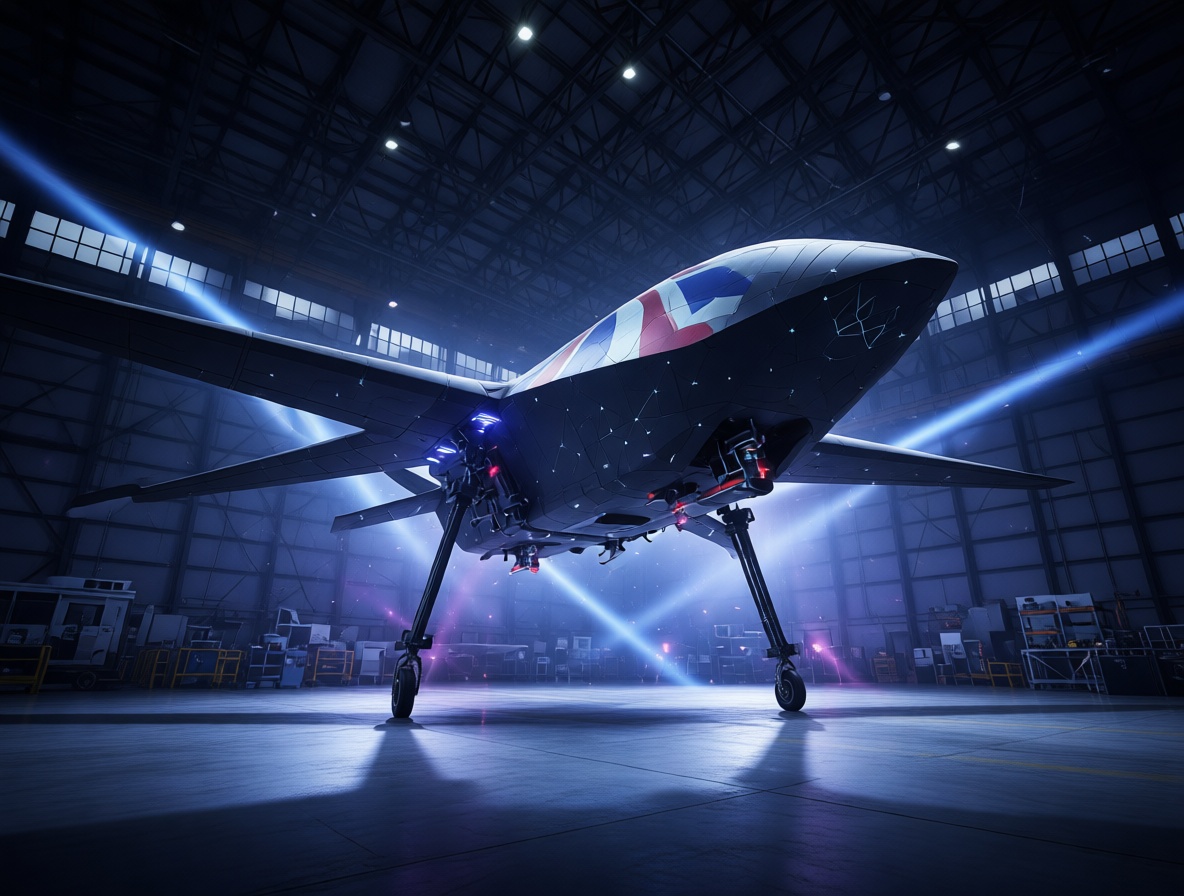
Imagine a fighter jet that doesn’t need a human pilot inside—a machine that thinks and moves on its own. That’s exactly what BAE Systems just pulled off with their ‘Brontanax’ drone, and it’s making a lot of people stop and think. This isn’t just a cool tech demo; it’s a glimpse into a future where the way we train pilots, spend military money, and even fight wars could change completely.
Over the next few minutes, we’ll walk through what this moment actually means for you—whether you’re worried about jobs in the defense industry, curious about where your tax dollars go, or just wondering how fast computer brains are taking over. The stakes are real, and they hit closer to home than you might expect.
A Button Press That Changes Everything
A BAE Systems engineer pushes a button, and the Brontanax unmanned jet pulls off a sharp combat maneuver all by itself. No one is in the cockpit. No joystick is being moved remotely by a human. The plane just decides and does it. That moment feels both thrilling and unsettling, like watching a car drive itself for the first time—except this car can fly and fight.
So why should you care? Because if a machine can pull off a dogfight without a pilot, the whole idea of ‘who flies’ starts to wobble. Right now, training a fighter pilot takes years and costs millions. If a drone can do the risky stuff alone, those expensive training programs start looking like money that could be spent elsewhere. For the people who fly those planes, it’s a quiet worry. For the rest of us, it means the next time you hear about an airstrike, it may have been executed by code, not a person.
Imagine your neighbor who spent years dreaming of being a military pilot. That dream suddenly has a question mark next to it. The emotional weight here isn’t just about machines—it’s about what we value in human skill and bravery.
Where Defense Dollars Will Flow Next
With drones like Brontanax proving they can fight on their own, defense budgets are likely to shift big time. Money that once went to pilot training—simulators, instructors, fuel for practice flights—could start flowing into autonomous system development. That’s a huge change in priorities. Governments have to decide: do we keep training humans for a role that might not exist in ten years, or do we invest in the brains behind the bots?
This isn’t just a spreadsheet shuffle. It affects real people. Thousands of military jobs—instructors, mechanics, even recruitment specialists—rely on the pilot pipeline. If that pipeline shrinks, those jobs vanish or change shape. National security priorities also get rethought: a country with smart drones might feel safer, but also more vulnerable if its adversary has smarter ones. Your safety is tied to these budget choices. When you read about a defense cut or a new drone contract, remember—it’s not just hardware. It’s the livelihoods of people you know and the balance of power that keeps the world from tipping.
It can feel scary to think about machines taking over such a human job. But it also opens a door: maybe those training dollars can fund something else, like cyber defense or space security. The choice isn’t easy, and it’s one we’ll all feel, one way or another.
The Race For Algorithmic Air Warfare
When one company shows off a pilotless jet that can fight, competitors don’t just sit back. Other defense giants are already racing to build their own unmanned programs, trying to outdo each other. This could lead to an entirely new kind of air war—one where algorithms make split-second decisions instead of humans. Imagine two nations’ drones battling it out in the sky, with no pilots’ lives at stake, but with entire strategies written in code.
For the average person, this sounds like science fiction. But it’s happening fast. If you have kids who dream of joining the air force, they might grow up in a world where ‘pilot’ means ‘programmer.’ The emotional pull here is a mix of wonder and unease. We’re used to heroes in cockpits; algorithm-driven warfare feels cold and distant. It changes how we think about courage and sacrifice. What does it mean to win a war when no one bleeds?
This race also means faster innovation—and maybe cheaper defense systems. But it also raises uncomfortable questions about who controls the button. When a drone reacts in milliseconds, a bug in the code could cause disaster. Competitors pushing for the lead might cut corners, and that risk affects everyone.
Conclusion

So here we are—standing at the edge of a future where air warfare is run more by algorithms than by pilots. The Brontanax isn’t just a drone; it’s a signal that the rules of engagement are being rewritten. What feels like a far-off concept is already pressing against our lives. The way we think about heroism, job security, and national safety is shifting under our feet.
You don’t have to be a defense expert to feel the weight of this change. Next time you see a headline about a new drone, pause and ask: who benefits, who loses, and what kind of world do we want to live in? That question is personal, and the answer will shape the next generation. This is your chance to pay attention before the future lands.
What do you think? Does knowing Earth’s “delivery story” change how you feel when you look at the stars?