


 Munzir Hakimi
Table of Contents
Introduction
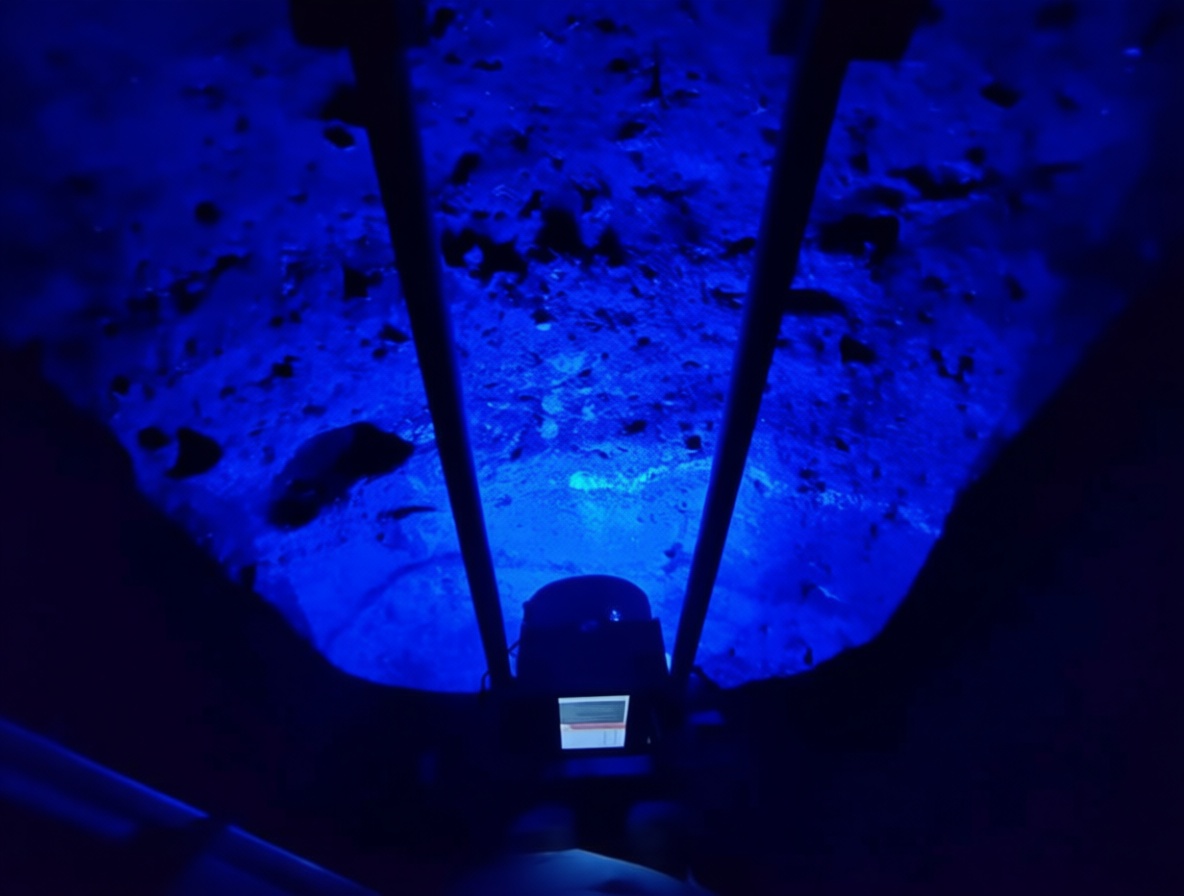
Imagine a peaceful stretch of land where people suspect something ancient is hiding below. The most thrilling part of discovery may soon happen before a shovel shows up: an LED light scan can search for clues without removing soil. That quiet approach changes how we treat history, because it gives us a choice between blind digging and careful knowing.
This is not only about science or archaeology. It also shapes timelines, budgets, and the way excavation permits are granted. If light checks become routine, projects may have to slow down in the short term, but our shared past gets something more valuable: a real chance to stay safe.
A Light Check Before Any Shovel Is Allowed
Try to picture a silent field where a few people believe old remnants are resting just out of sight, and you will understand the pull between excitement and caution. Researchers may shine an LED light system over the suspected site before a shovel is allowed, letting secrets announce themselves without being forced out. That first look is a gentle kind of discovery, a reminder that we do not have to damage the ground just because we long to know what is beneath it.
When the light reveals something worth chasing, the process may not move immediately. The team might wait for an extra evaluation step before anyone gets the green light to dig. To people impatient for answers, this pause can feel like an invisible barrier, but in truth it is the moment where excitement meets responsibility.
Think about how you treat something precious in your own life. You do not tear into a beautiful old box if you think it holds something breakable; you hold your breath and open it slowly. Ancient sites deserve that same patience, because once the earth is moved, the original scene can never be perfectly recreated, and a slow approach only makes sure that curiosity does not outrun our care.
When A Pre-check Pressures Time And Money
No one likes hearing that an expensive project needs another step before real money is spent. An LED pre-check may create that exact headache by adding pressure to schedules and budgets just as excavation teams want to move. Because this extra evaluation could be required before large dig costs are approved, project leaders must handle unavoidable tension between caution and deadline pressure.
Think about a moment when someone slowed you down right before a major purchase. You probably felt annoyed, but that pause can stop you from spending money on something you do not fully understand. Excavation teams are in a similar place, and in many ways this kind of pre-check can act as a guardrail that keeps costly mistakes from being approved too quickly.
The emotional side is real because schedules push hard and budgets pinch even harder. Adding a new evaluation stage can make an entire team feel micromanaged, and that irritation tends to grow as the calendar fills up. But when a truly large dig is at stake, a little more scrutiny up front can protect everyone from painful regret later; the price of patience almost always feels much smaller than the cost of a rushed decision.
When Permits Include A Light Stage
The real shift may arrive when the groups that fund heritage work begin asking for a light-based evaluation stage before issuing excavation permits. That extra requirement means permits are no longer just permission slips; they become a promise before any ground is touched. If you have ever worried about shortcuts being taken with something valuable, this change is likely to feel like welcome protection.
Authorizing a heritage project could become a very different experience. Instead of jumping from paperwork to action, the plan may have to pass through a gate of light first. That extra gate might seem like an unnecessary obstacle to people in a hurry, but for history itself it is a fair way to make sure we know what we are about to open, and the quiet result is that a permit starts to feel less like paperwork and more like a shield.
There is also a deep emotional reason to appreciate this direction. Old places connect us to something bigger than our own lives, so decisions about them naturally touch how we see ourselves. When permission to dig requires a gentle check first, it sends a clear signal that these places deserve respect before they are disturbed, so anyone who cares about the past can feel a little more at ease knowing that care is built into the approval itself.
Conclusion

What makes this idea powerful is that it is not just about machines or rules; it is about the moment we decide how much the past means to us. Making a light check part of excavation permits tells every future project that history should be approached with humility. That simple change can bring relief to anyone who fears the past will be destroyed in the name of progress.
You may never hold an excavation permit, but you can still recognize the value in pausing. The next time you hear about an old site awaiting study, remember that a gentle light scan may have been part of its approval. Protecting something fragile often begins with a gentle look before a heavy step.
What do you think? Does knowing Earth’s “delivery story” change how you feel when you look at the stars?