


 Munzir Hakimi
Table of Contents
Introduction
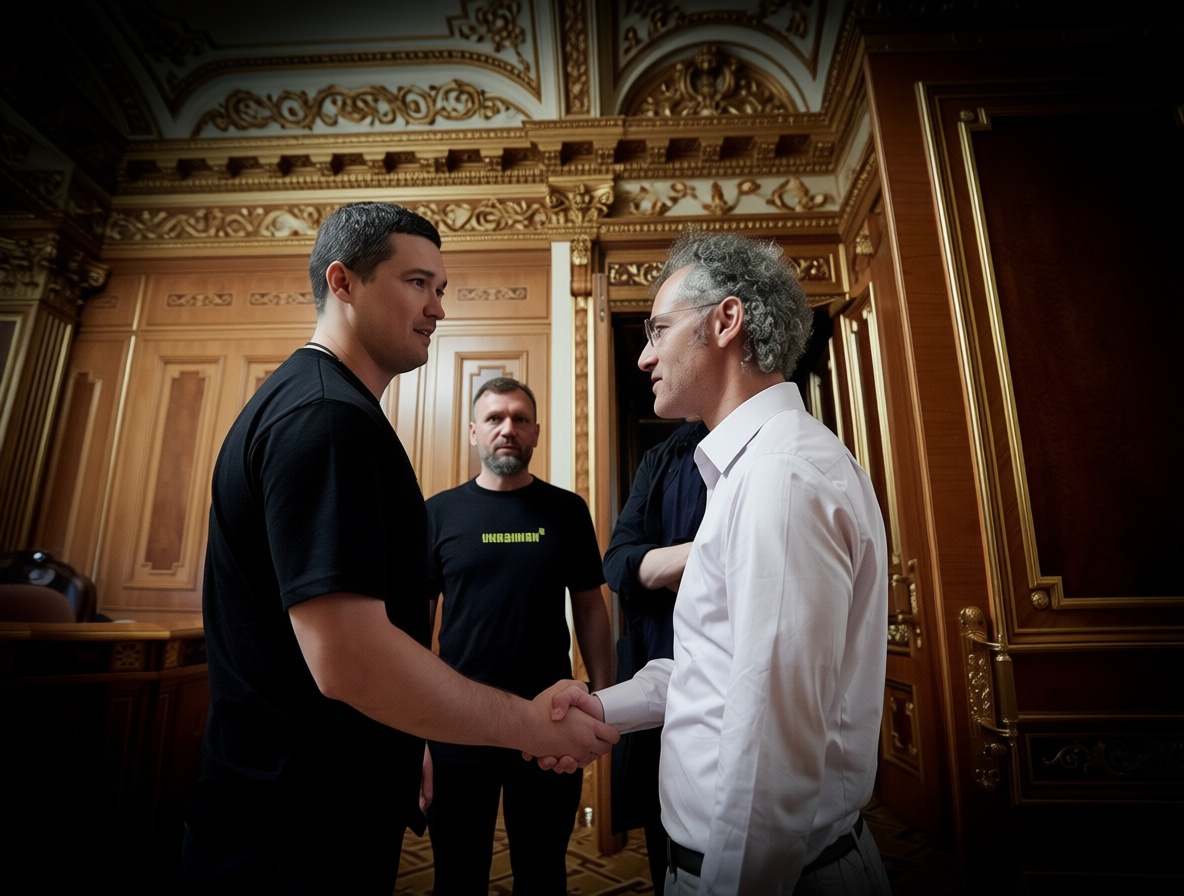
Losing a top defense job usually looks like the end of the story. For Mykhailo Fedorov, it became the start of a new one. The ousted defense chief is now building a defense firm, and Palantir CEO Alex Karp is its first investor. That combination of insider experience, fresh money, and political history could change which tools actually reach soldiers.
This isn’t just a comeback tale. It raises a practical question: who controls the path from a good idea to a soldier’s hands? Fedorov’s political loss gives him room to try something new. His new venture pressures old ways of buying military tech. And everyone is watching whether speed can beat tradition. That means the next chapter of defense isn’t only written in government halls. It may be written by newcomers.
From Political Loss To A Tech Founder’s Opening Move
Being pushed out of a powerful job can feel like a public rejection. For Mykhailo Fedorov, losing his post as defense chief likely stung. But instead of fading, he turned the loss into an opening. When Alex Karp, the CEO of Palantir, becomes the first investor, the story changes. It becomes less about what he lost and more about what he can now build. Political defeat becomes a founder’s first step.
That first investment matters because it is a signal. It tells the world this is not a side project. A founder with that kind of backer is not easily ignored. For anyone who has ever been told their time is over, this is a reminder that a public setback can be the start of a different path. Your next move can still matter.
When Insider Knowledge Pressures Defense Spending
At home, this venture carries weight because Fedorov has seen the system from the inside. He knows how military needs are collected, which requests get delayed, and where money gets stuck. That knowledge turns his new company into a pressure tool. He can use it to challenge old defense contracts and force people to rethink budgets. Budget choices become harder to hide.
People who buy military gear now feel that pressure too. They are facing someone who knows their playbook. A former minister can point to delays and ask why money goes to one thing instead of something soldiers actually need. That makes comfortable assumptions uncomfortable. Old ways of doing business get challenged.
This is not just paperwork pressure. The result could be new tools reaching soldiers sooner, while old suppliers lose their grip. Budget decisions that were once predictable now have to compete with a louder, smarter voice. The emotional shift is real: hope for better equipment, and anxiety for people who benefited from the old system. Money and lives hang in the balance.
The Race To Build Defense Tools Faster Than The Old Guard
Now comes the part everyone can see. Governments and startups are not waiting for a press release. They are watching whether an ex-minister plus Palantir can build defense tools faster than the usual giants. Those giants are the big companies that normally control military contracts. That speed question matters because soldiers depend on these tools. If this unusual team can shorten that timeline, the lesson is huge. Old giants no longer own the future.
The watching itself changes what happens next. Startups want to see if a newcomer can break into a closed world. Governments want to see if going faster is worth the risk of working with an unfamiliar team. If the answer is yes, more outsiders may try to build defense tech. If the answer is no, the traditional approach keeps its grip. Either way, the behavior in the room changes. Everyone will learn where influence truly sits.
The human stakes give this race its weight. A faster build process could mean a soldier gets a useful tool sooner. That difference feels deeply personal, not professional. It can change how safe a mission feels or how quickly a unit adapts. It can also change which companies get the next round of money and trust. People on all sides are paying attention because the outcome will shape what comes next. Speed becomes a life-and-death advantage.
Conclusion

The real takeaway is simple: follow the speed. If an ex-minister and Palantir can build defense tools faster than the old giants, that changes what governments expect from everyone. It proves that experience plus a bold tech partner can compete with tradition. If they cannot, the old guard will keep control. Either way, the people watching will adjust their next moves around what this race reveals. Who gets trusted with defense may shift.
For an ordinary person, this is not just a niche business story. It is a reminder that change rarely comes from the same people who always held power. Watching this experiment can inform how you think about big institutions and the promises of newcomers. You do not need to work in defense to understand the lesson: progress often depends on whether fresh teams can move with speed. Speed itself can become power.
What do you think? Does knowing Earth’s “delivery story” change how you feel when you look at the stars?