


 Munzir Hakimi
Table of Contents
Introduction
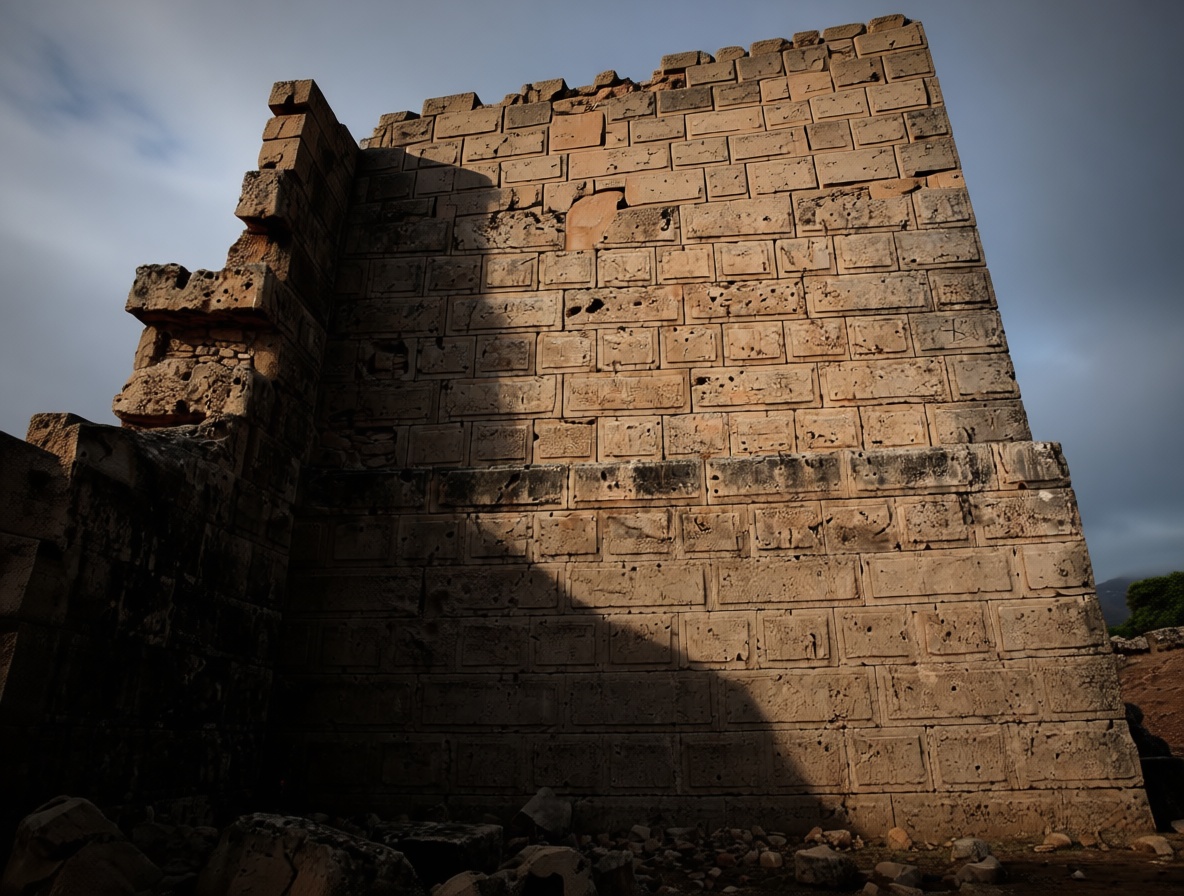
Imagine walking through an ancient gate and realizing you are not alone. The stones hold tiny chiseled marks left by hands that worked long ago. At Ptolemais in Libya, those marks are everywhere—if you stop to look. One visitor pauses and catches the faint sense of a real person behind the stone.
Another rushes past without noticing. Then there is the moment a guide explains what the marks mean, and a pile of old blocks becomes a doorway into someone’s life. This article is about that shift—about slow eyes, hidden signatures, and how a few scratches can make history feel personal. Once you know they exist, you may never walk through an old gate the same way again.
Sensing The Builder Behind The Stone
Pausing at the ancient gate in Ptolemais, a visitor notices hundreds of tiny chiseled marks covering almost every stone, and they are easy to miss at first but impossible to ignore once seen. A lost builder suddenly feels close because that mark is not just a scratch—it is the leftover sign of a person who stood in that exact spot and shaped the stone with their own hands. In that instant, millennia collapse, and you realize history was not made by faceless crowds but by someone who worked a day like any other.
This is where the emotional shift lands: a simple visit turns into a slow search for small traces of human effort, and you start to feel that behind every mark is a beating heart. You might start wondering whether the builder took pride in fitting the block perfectly, whether they thought of family while they worked, or whether they ever imagined a stranger finding their sign centuries later. Those questions ripple far beyond the gate and change the way you see old buildings everywhere.
The result lingers after you walk away, because old walls feel less like artifacts and more like messages waiting to be read. You begin to touch the world with more curiosity and more respect, knowing that a wall, a step, or a doorway may carry someone’s hidden presence. Once you sense that, a simple stone holds a human story.
Glance Quickly, Or Search For The Mason’s Signature
Standing before the Libyan gate, a visitor faces an unspoken choice, and the fastest option is to glance across the old stones and move on without a second thought. But the slower path changes everything, because each block may hold the mason’s hidden signature—a small cut, a personal mark, a quiet way of saying ‘I was here.’ Searching takes a moment of courage that turns a quick stop into a real encounter with a person you can almost see.
The outcome of that choice is not just about the gate; it is about what you carry away. A quick glance delivers the overall shape, while a slow search delivers the details that make a place unforgettable. The memory becomes the story when a tiny mark on a block feels like meeting a stranger who signed their name just for you.
The same pattern appears whenever you travel through old places: you can rush through a site or pause over the little clues real people left behind. The visitor who examines each block for a signature walks away with a sense of discovery that no photograph can capture. That small decision changes the whole trip.
Turning Marks Into A Conversation About Ancient Builders
At Ptolemais, site guides may soon start doing something simple but powerful: they will point to the decoded marks on the gate and show visitors exactly where to look. What used to be a plain stone surface suddenly becomes a place where a conversation can begin, because each decoded mark gives a guide a reason to talk about the ancient builders who shaped the city. Curiosity turns into dialogue when a group stops, looks up, and starts wondering about the hands behind the stone.
This shift matters because it turns an old structure into a place where visitors can connect with the people who made it. When a guide says ‘look at this mark,’ the builder becomes a presence in the group, and the gate becomes evidence of a human life. The ancient builders move closer to us as visitors lean in, ask questions, and share their own guesses about what kind of person left the mark.
The lasting result is that a visit becomes a shared act of remembering. You may not recall every detail the guide says, but you will remember the moment a simple mark sparked a conversation about people who worked long ago. Those builders finally get the honor of being seen.
Conclusion

Before you leave Ptolemais, imagine one of those site guides stopping the group and pointing to a decoded mark. A conversation begins, and suddenly the ancient gate is not just old; it is full of people who shaped it. That is the moment history stops feeling distant; the builders, once lost, finally get a moment of honor as their work is noticed and talked about.
You can carry that same spirit into any place you visit. When someone offers to explain a small mark or a hidden detail, lean in and ask questions. A few words from a guide can bring the builders back to life, turning an ordinary sight into a lasting memory.
What do you think? Does knowing Earth’s “delivery story” change how you feel when you look at the stars?


