


 Munzir Hakimi
Table of Contents
Introduction
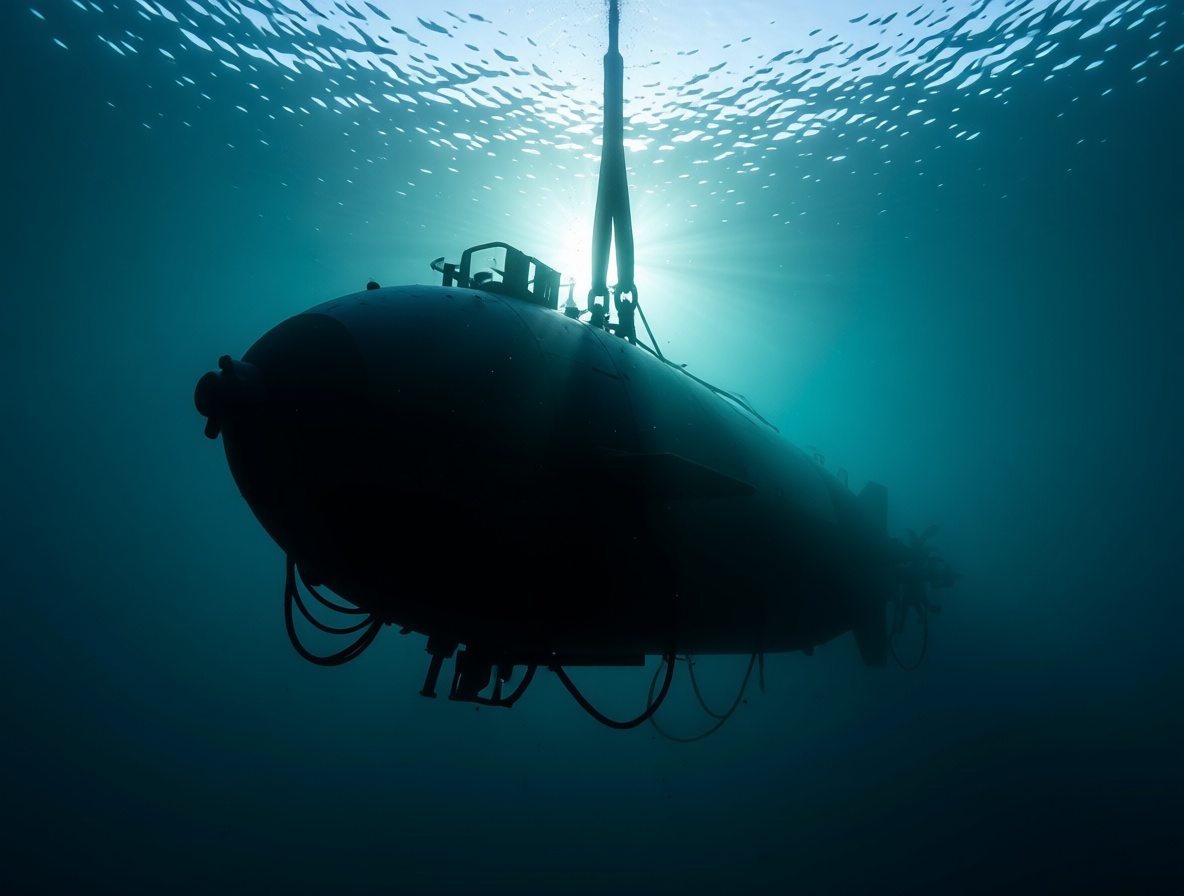
Sometimes the most advanced technology in the world can fail in the worst possible place. That’s what happened in the Strait of Hormuz, where a U.S. uncrewed submarine reportedly malfunctioned and Iran says it captured the machine. The result was a rushed U.S. military response—and one broken robot can send shockwaves through the relationship between countries.
Now defense officials may tighten patrol rules, shorten recovery timelines, and rethink risks in that waterway. At the same time, navies are starting to see disabled uncrewed submarines not as ordinary salvage cases but as urgent recovery targets. Equipment failure can change the rules for everyone, so this story matters even when it feels far away.
A U.s. Submarine Breaks Down In The Wrong Waters
The Strait of Hormuz is one of those places where a small mistake can become a very big problem. Reports say a U.S. robot submarine broke down there, and Iran claims it took the sub before anyone could stop it. That one failure forced a rushed U.S. military response, because leaving things to unfold on their own was not an option.
Think about losing something you cannot easily replace in a hurry, perhaps when you are far from home and know that whoever spots it first gets to decide what happens next. Your mind jumps to worst-case questions: who found it, what will they do with it, and can you get it back in time? Military leaders faced that exact feeling, except the lost object was full of sensitive technology, which gave the finder every reason to keep it away, so the ordinary panic of a lost item became something far more serious.
One broken machine in a tense stretch of water is never only about mechanics. It becomes a moment when the country’s confidence is tested, old assumptions are questioned, and every choice feels urgent. A single glitch can expose how fragile those careful plans really are, which is why this kind of breakdown leaves such an emotional mark on everyone watching.
Why Patrol Rules In Hormuz Could Get Tighter
When military equipment breaks down in a critical waterway, defense officials don’t get the luxury of shrugging it off. A reported U.S. uncrewed submarine malfunction in the Strait of Hormuz is the kind of event that forces a fresh look at old habits. Patrol rules may tighten, recovery timelines may get shorter, risk assessments may become more cautious, and every route gets judged by one question: is it worth the risk?
These changes matter beyond the military because new rules are shaped by fear, and fear is something everyone recognizes from everyday life. If officials decide the area is too dangerous, they will move patrols differently, demand more backup, and think twice before trusting another machine in the same water. The result can feel safer, but it also means hesitation becomes part of the routine whenever something goes wrong, which is how even distant policy shifts can affect the sense of security people rely on.
For the people making these calls, the malfunction feels personal in a way outsiders rarely see. They remember how quickly a single failure can undo months of careful planning, so every patrol route, backup plan, and recovery step gets scanned for another hidden weak spot. Those changes may not be announced loudly or appear in flashy headlines, but they will shape military behavior in Hormuz for a long time—and that quiet shift is exactly how fear turns into action.
A Disabled Submarine Is No Longer Just A Salvage Job
Once a military sub has been captured, the way navies view broken equipment changes instantly. A disabled uncrewed submarine is no longer a routine salvage case; it becomes an urgent recovery target because too much sits on the line. Every hour it stays in the water feels like an hour that belongs to someone else, and no navy wants to hand that advantage over by treating the problem casually.
This mindset shift matters because it changes what happens right after a failure. Crews may respond faster, commanders may stay closer, and no one will treat a stalled submarine like an everyday cleanup job; the old phrase ‘we’ll collect it later’ suddenly sounds careless. Every extra minute makes it a race against time, and that pressure changes the entire mood of a mission, because everyone knows the machine’s value grows the longer it stays unattended.
For ordinary people, this is a strange truth about modern power. Advanced machines can look unbeatable, but one breakdown can turn them into the very thing everyone is chasing, and that reversal is both fascinating and unsettling to watch. A disabled submarine is never just broken—it is a target, and recognizing that helps explain why a single capture can change military habits so quickly.
Conclusion

The most honest takeaway is that a disabled machine is never just a disabled machine. It becomes a prize, a risk, and a reason for navies to move fast. When something valuable breaks in open water, everyone involved suddenly understands that recovery is not optional—it’s the whole point.
After reading this, it’s hard to hear about a robot submarine breakdown and think of it as routine. The next natural thought is: who will get there first? That question turns a mechanical problem into a race, and even the most advanced tools can become someone else’s advantage the moment they fail. That understanding is what stays with you the next time you see a quiet report about equipment trouble near sensitive waters—it means someone, somewhere, is already racing to recover it.
What do you think? Does knowing Earth’s “delivery story” change how you feel when you look at the stars?