


 Munzir Hakimi
Table of Contents
Introduction
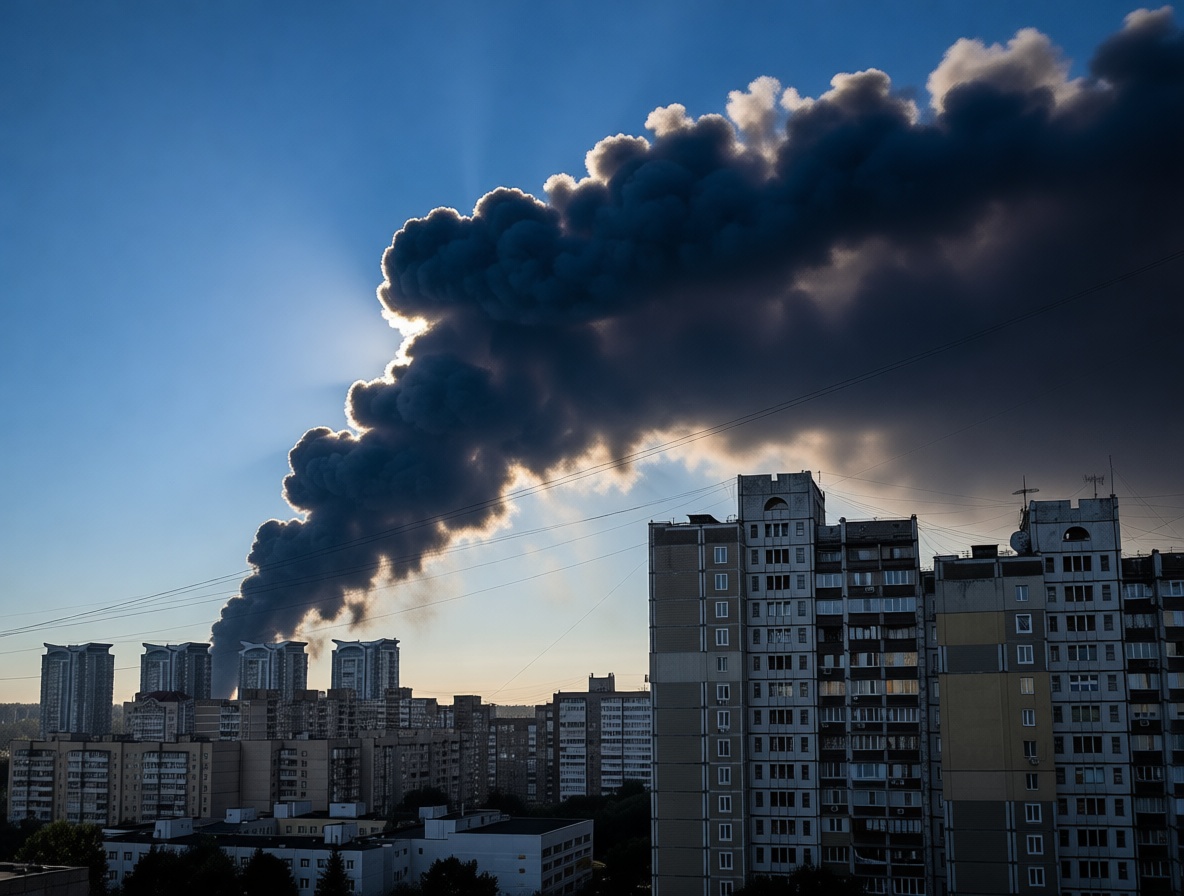
Most nights in Kyiv, sleep is a fragile thing. The sound of an alert can arrive again moments after the last one ended, and the body reacts before the mind catches up. It is a strange kind of exhaustion: part fear, part habit, part hope that this will be the quiet one.
These shorter intervals do more than shorten the calm. They shape the way families decide whether to stay in bed, the way shopkeepers think about opening their doors, and the way air-defense crews pace themselves through the dark. The real story of the nightly tension is not just what flies overhead. It is what changes inside the people waiting below.
When The Quiet Between Alarms Shrinks
There is a moment before the brain catches up when the body just knows. With shorter intervals between drone and missile waves, the space for that moment gets smaller, and the feeling becomes sharper. It starts as a knot in the chest that tightens even before the reason for the alarm reaches you. The knot matters because it is the body telling you to get ready—don’t wait, move now.
So the alarm sounds, and the strange thing is what happens next: you are already on your feet and moving before you can even name what you heard. That reflex can save precious seconds, but it also comes with a quiet cost. It keeps your body tense, and when the calm finally returns, it takes a while to remember how to soften your shoulders. That leftover tension is why so many people feel exhausted even on nights without any direct danger.
Over time, the shorter rhythm makes waiting the hardest part. Home starts to feel less like a shelter and more like a place where you are always listening. You may catch yourself checking windows, watching shadows, or trying to sleep with one ear open. That is not paranoia. It is just what alertness looks like when the gaps between waves keep shrinking.
The Impossible Choice Between Sleep And Safety
There is no good answer when an alert arrives in the middle of the night. If you wake the children, they lose rest; if you let them sleep, your own heart races until the danger passes. Some parents make a small safe corner in the hallway and try to move everyone there without breaking their sleep. Others just stay together in one room. Making a fresh decision in the dark feels harder than staying alert. That is the impossible math of frequent alerts: every option costs something, and no choice feels completely safe.
For shopkeepers, the calculation is quieter but just as heavy. Endless interruptions mean customers disappear when the sirens start, and each break in the day makes it harder to pay rent or keep shelves stocked. A small café owner might watch a full room empty in seconds, then wait just to see whether anyone comes back. By the time the day is over, the numbers no longer add up to a normal living. Closing the door for ten minutes might protect a person, but it also drains the small hope that life can go on normally.
Over weeks, this wears down more than nerves. Family routines start bending around the air-raid siren instead of around dinner, homework, or rest. A child may learn to fall asleep anywhere, in a coat, on a floor, in the middle of a sentence. Old plans start fading, and people learn to expect less from a single day. That survival skill is remarkable, but it is also a reminder of how much is being asked of everyone.
Defenders Who Never Stop Moving
The people protecting the sky have to change the way they work, because the pace of attacks gives them less room to rest. One quiet adjustment is arranging for rotating crews. Instead of asking the same tired team to stay alert for everything, shifts keep fresh eyes on the sky and fresh hands ready. That simple switch means the person answering a threat is less likely to be exhausted.
Help can also come from partner militaries: extra launchers and reload vehicles. A launcher fires a missile meant to protect the city, and a reload vehicle carries extra missiles for that launcher. With more of them on hand, defenders can keep up a faster rhythm without running out of tools before dawn. More equipment means more chances to stop an attack, and more chances mean residents can trust that someone is watching.
This is not a flashy story, but it is a deeply human one. It is about people shifting schedules, asking partners for help, and reorganizing their night so they can keep standing between threat and home. Every swapped shift and every delivered launcher is a small answer to a very big problem. Knowing that the system is adapting can offer a small breath of relief, even while the alert still blares.
Conclusion

The next time the alert goes off, it helps to remember what happens before the sound reaches your ears. Somewhere out in the dark, crews are handing over roles and letting fresh protectors take their place. Partners are moving extra launchers and reload vehicles into position, so the defense can breathe a little longer. That means you are relying on a system changing its own rhythm.
It is strange comfort, but it is real. The knowledge that defense is adapting can turn a lonely moment into a reminder that people are working through the same night. When the alarm fades, maybe you can notice the quiet effort behind it. You can take a breath, trust the shift change, and return to your life.
What do you think? Does knowing Earth’s “delivery story” change how you feel when you look at the stars?


