


 Munzir Hakimi
Table of Contents
Introduction
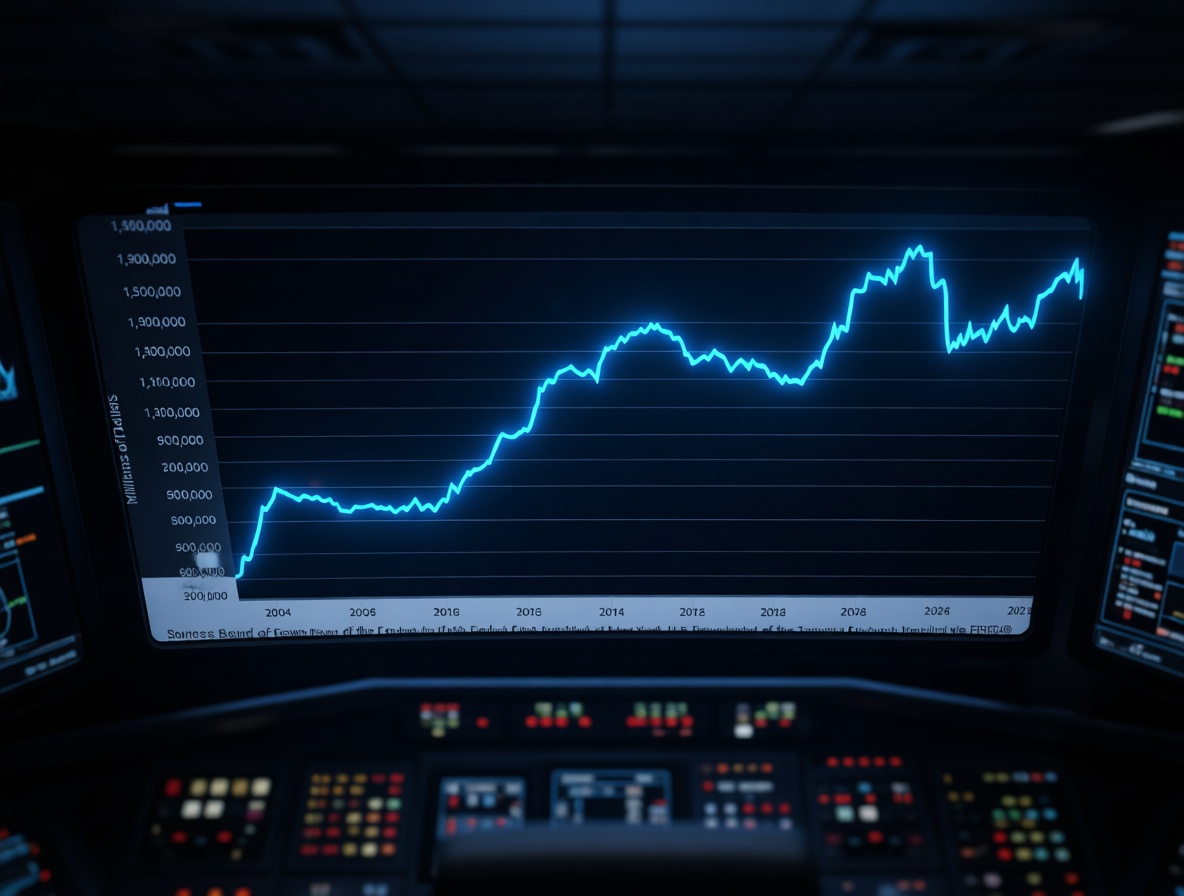
Japan’s government bond yields are starting to climb, and the change is easier to feel than to explain. That one quiet shift can send a crypto trader reaching for the sell button before panic arrives. It can also reach into a family’s budget, making loans and insurance feel a little heavier. The same movement can stretch across the globe, touching foreign bonds, stocks, and crypto through Japan’s massive Treasury position.
So this isn’t just a number on a chart. It’s a story about protection, pressure, and how connected our money really is. By the time you finish reading, you’ll see why a tiny rise in yields can make people rethink their next financial move.
The Knot In A Crypto Trader’s Stomach
Picture a crypto trader staring at their screen as Japan’s government bond yields creep higher. There’s no alarm bell, just a knot in the stomach that has been right before. They don’t wait for a full explanation—they trim positions quickly, before the yen makes a sudden move that could wipe out their day, and that habit has saved them more than once.
Why does a small rate change hit so hard? Because a higher yield can make the yen shift, and that shift can shake every trade priced in yen. A crypto trader knows how fast things can turn when currencies start sliding, so the anxiety forces action before panic takes over. For them, waiting feels worse than the pain of selling too early, and that lesson usually came from a painful loss.
You don’t need to be a crypto trader to understand that instinct. It’s the same impulse that makes you cancel a risky plan the moment the weather turns, or pull your money out of an uncertain bet before it gets worse. Protect what you have before the storm gets a name—that’s what trimming positions really is, a small, smart move to stay safe while you still can.
Why Your Loans And Insurance Bills Feel The Squeeze
When a bank or insurer has to pay more to refinance its own debt, that pressure never stays in the boardroom. It travels straight to your loan offer, your insurance bill, and the monthly budget you review. You feel it as a silent squeeze rather than a single dramatic shock, and you might not connect the dots until the numbers start looking different.
Here’s how it works: banks and insurers borrow money too, just like people do, and they feel the same pinch when rates climb. When their refinancing costs rise, they pass that extra cost along to customers in the most ordinary ways. That can mean a loan offer with a higher interest rate, an insurance bill that quietly goes up, or a credit line with less room to breathe—and those are the numbers that shape what you can afford and what you have to put off.
For households, the result shows up in small moments: comparing plans, delaying a purchase, or taking on extra hours to cover the difference. This isn’t about abstract markets; it’s about how much room you have left every month. When the cost of money rises, quiet pressure in your everyday choices rises with it, and that can reshape how you plan the year ahead.
When Investors Unwind Their Carry Trades
There’s a quiet link between Japan and the money in your pocket. It runs through something called a carry trade, where investors borrow yen at a cheap price and use it to buy foreign bonds, stocks, or crypto that offer a better return. For a while, that trade feels like free money—until you remember Japan’s $1.143 trillion Treasury position makes the whole world one connected web.
When investors sense trouble, they unwind the trade. They sell foreign bonds, equities, and crypto to pay back the borrowed yen before the move gets worse, and some of them borrowed so heavily that they have to act fast. It’s not a panic at first; it’s a steady, nervous unwind, but selling can spread through global markets quickly because Japan’s Treasury position is so large.
Why should you care? Because this is how a shift on the other side of the world reaches your screen. A retirement portfolio might dip, a crypto holding might drop, and a foreign stock might wobble as investors move money back to yen, and those little losses can dent your confidence. You don’t need to be in Tokyo to feel it; you just need to know that everything is connected.
Conclusion

The big lesson is that no market sits alone. When investors unwind carry trades and sell foreign bonds, equities, or crypto, the movement travels through Japan’s huge Treasury position and touches accounts far away. It can feel distant, but the emotion it stirs is very close: uncertainty.
So let this be a reminder to watch for ripples, not just headlines. You can’t control what investors do with their borrowed yen, but you can know that global markets move together, and that knowledge is a quiet form of protection. That awareness won’t stop a selloff, but it can stop you from being blindsided.
What do you think? Does knowing Earth’s “delivery story” change how you feel when you look at the stars?