


 Munzir Hakimi
Table of Contents
Introduction
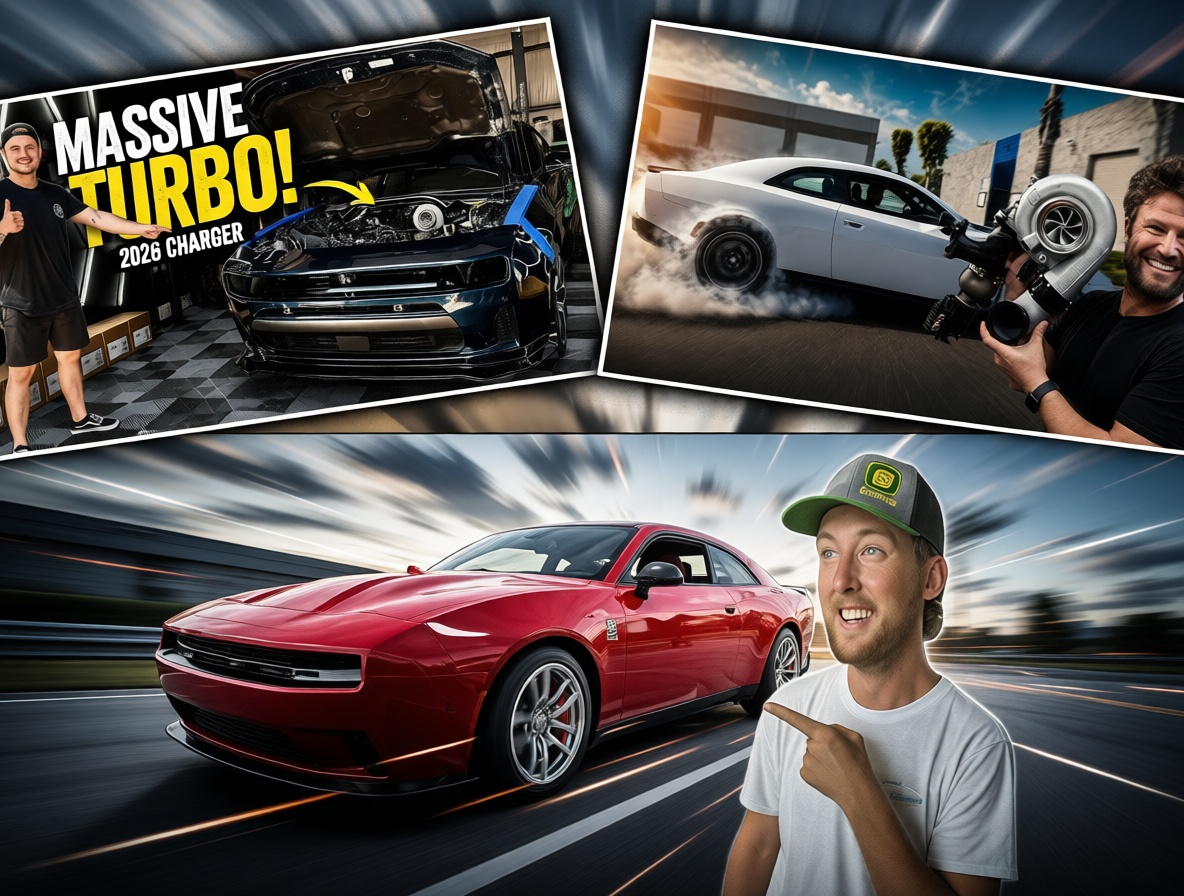
There’s something about watching a brand-new Dodge Charger get thrashed on YouTube that makes you look away and then immediately look back. You feel awe, then wincing, then one big question: how much abuse can this car actually take? It’s hard not to get pulled in.
That question echoes further than the screen. If you’re thinking about buying one, those videos can shape your judgment before you ever sit in the driver’s seat. They also create a cycle where more creators film these cars and automakers have to notice. **The real stakes are about trust and what you believe before you decide**.
Awe, Wincing, And The Big Abuse Question
There is something hypnotic about watching a brand-new Dodge Charger get thrashed on YouTube. The engine screams, the tires smoke, and the whole car gets thrown around like it owes somebody money. You stay glued to the screen, but part of you winces, **because you can’t escape how much abuse it can actually take**—and whether the next hit will be the one that breaks it.
That mix of awe and wincing is exactly why these videos hit so hard. It’s not just a machine going through chaos; it’s a test of what you can trust. **If the Charger survives the beating on camera**, that feels reassuring; if something breaks, you start doubting the car’s whole character.
Think about the last time you watched something like this with other people. Someone winces, someone laughs nervously, and everyone holds their breath when the car lands after a brutal jump. **That shared moment of worry makes the Charger’s toughness feel personal**, not just some technical spec—it turns a YouTube video into a gut-level judgment about whether the car is genuinely built to last through all kinds of punishment.
Before You Buy, You Watch For Real-world Toughness
Once a new Charger is on your shortlist, those YouTube thrash tests stop being background noise. You watch from your couch and picture your own commute, your own weekends, your own parking space, and maybe you’ve already imagined the engine’s growl during your morning drive. **You’re not just watching for fun—you’re quietly judging whether the car is tough enough for your real life**, and every groan the suspension makes feels like it’s aimed at you.
That’s the sneaky power of these videos. They turn a big purchase decision into something you can feel before you ever set foot in a dealership, which makes the choice less abstract and more physical. **If the car shrugs off hard driving on screen, you feel more confident about spending your money on it**, and that confidence sticks with you when you sit down to talk numbers, giving you a clearer sense of what the car is really worth to you.
But if something looks shaky on camera, doubt creeps in fast. You start wondering whether the car will handle normal bumps, bad weather, or the occasional heavy load, and every small crack on the screen feels like a warning. **That one video can be the reason you walk in with your guard up**, ready to ask tough questions instead of letting excitement make the decision, because a car that fails on YouTube is hard to forget when it’s your money on the line.
Go-to Content And Automakers Watching
Once enough thrash videos prove they can grab attention, more creators are likely to pile in. A new Dodge Charger is dramatic and easy to make into content, so it fits the pattern of what people click on, especially when there’s a chance something might break. **This could turn the Charger into the go-to car for online stress tests**, and every new upload just adds another layer of public pressure that keeps the cycle going.
Automakers aren’t blind to that pressure. When footage of their car being pushed to the edge goes viral, they have to pay attention, because the public is judging not just the car but the company behind it. **The way automakers respond to that public footage can shape the car’s image for everyone watching**, and that image sticks in your head long after the video ends.
For you, this means the story of the Charger keeps growing in public. Each new video adds another layer to what people believe about the car, and the automaker’s reaction becomes part of that story. **The real test isn’t just on YouTube anymore; it’s in how the company responds to what everyone is watching**, and that response can change whether you see the Charger as a survivor or as a risk.
Conclusion

Next time you watch a new Dodge Charger get thrashed on YouTube, remember you’re seeing more than a car take a beating. You’re watching a pattern where creators keep choosing this car for content, and automakers have to figure out how to answer all that public footage. **The public gets to see the story unfold in real time**, and that changes how you understand the car.
That’s the lasting impact. The car’s reputation isn’t decided in a boardroom alone; it gets built in front of everyone, video after video, and every reaction from the company adds another clue. **Pay attention to what happens after the clip ends**—that’s where the real answer about whether the Charger lasts will come from.
What do you think? Does knowing Earth’s “delivery story” change how you feel when you look at the stars?