


 Munzir Hakimi
Table of Contents
Introduction
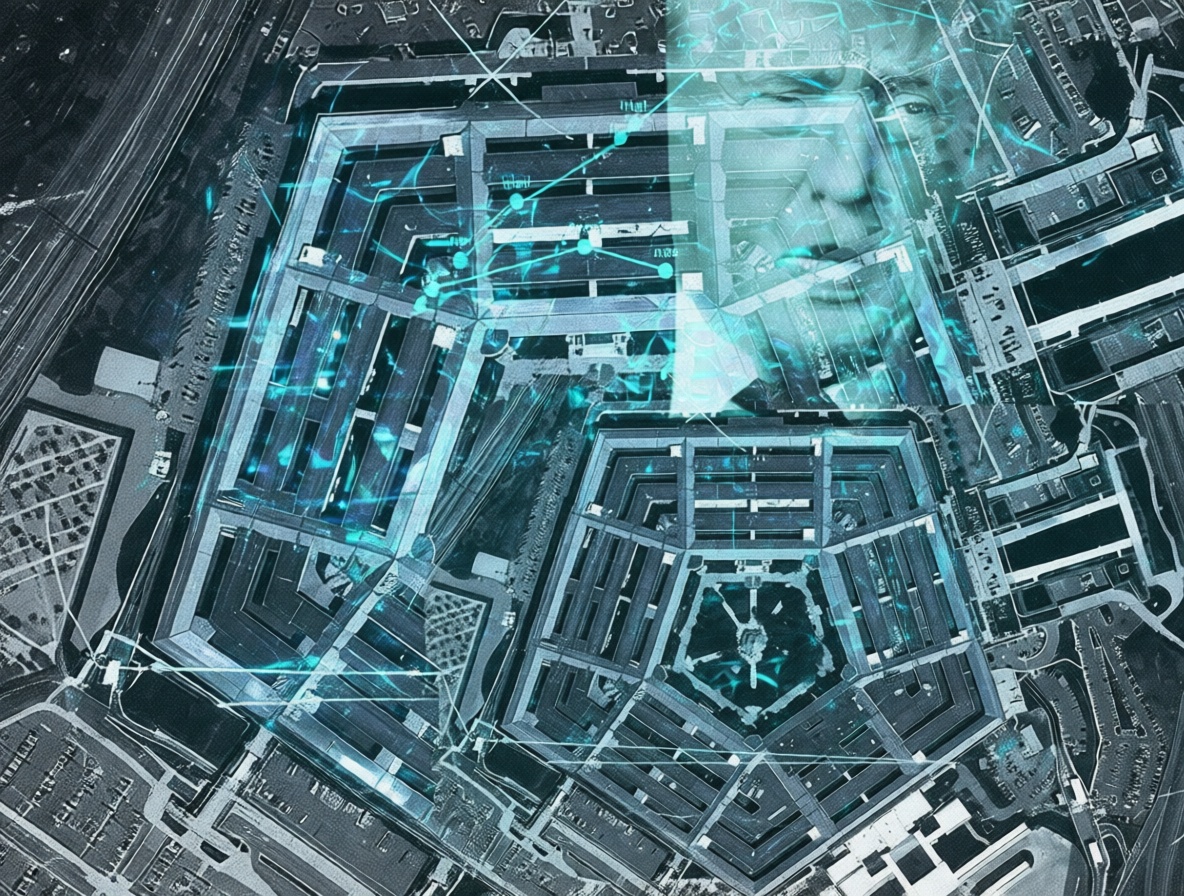
Most people know the sick feeling that comes when the other side holds all the power. AI developers have been living with that feeling over military contracts. But a recent court ruling changed the game. A judge decided the Pentagon’s blacklist of Anthropic was unconstitutional, and that one call is already changing how companies think about their limits.
Here’s what this means for anyone who cares about fairness. AI developers can now take military-use restrictions to court. Contractors face real financial risk when they draw red lines. And companies can sue over retaliation instead of silently accepting it. The negotiation table just got more balanced.
A Ruling That Lets Ai Developers Fight Back
Imagine being told that if you speak up about something you believe is wrong, you lose access to the people you work with. That is the situation Anthropic found itself in. The Pentagon had placed them on a blacklist, and that list was hanging over every conversation about military AI. The pressure was impossible to ignore: stay quiet or risk losing everything. Judge Lin looked at that and said it crossed a constitutional line.
When a court says a punishment like this is unconstitutional, it changes the entire atmosphere. Suddenly, AI developers are not just hoping for understanding. They have a legal path to challenge military-use limits before a judge decides what is fair. This matters because the fear of being silenced is one of the strongest pressures in any industry. When that fear is gone, the whole conversation becomes more honest. Developers no longer have to accept the same kind of pressure.
Think about any moment in your life where you wanted to say no but worried about the cost. This ruling gives AI developers a way to say no and know the court will listen. It does not mean every fight will be easy. But it means the old threat no longer has the same power. The conversation starts from a place of rights instead of fear. A person can finally push back without the same fear of losing their seat at the table.
The Real Financial Risk Behind Every Red Line
There is a moment every person knows: you want to stand by your principles, but the price feels too high. That is exactly what AI developers face now. For Anthropic, the blacklist put their federal access on the line, and that kind of threat does not just feel scary. It hits the budget where it hurts. Government work is not a small side project; it can be the foundation of a company’s future. No one likes to admit that money shapes decisions, but it almost always does.
When the government is your biggest client, losing access can mean losing the ability to do major projects. So when a developer decides not to cross a line with military AI, they are not just making a moral statement. They are accepting a huge financial risk. Every military contractor has to look at that risk before they choose their limits. It is one thing to take a stand when nothing is at risk. It is another to take a stand when the future of the company hangs in the balance.
The practical result is heavier than it sounds. Contracts, salaries, future projects—all of it can suddenly become uncertain when a red line is drawn. That changes how people think about saying no. It makes that decision feel like a personal choice and a business gamble. You want to believe your values will win, but you also know the bills still need to be paid. That is the real weight being carried by anyone who sets military limits.
Changing How Military Limits Get Negotiated
There is a special kind of relief when you realize the person across the table no longer has unlimited power over you. That is what is starting to happen in AI negotiations. Because companies can now sue over national-security retaliation, the old dynamic is crumbling. The threat of being punished for setting a boundary is no longer a dead end. It is now a risk that can be answered in court. That relief changes the mood in the room. People start talking like equals.
Think about a contract negotiation where you know the other side can punish you if you push back. You keep your mouth shut. But now AI developers can bring those threats into the open. Before signing, they can insist on military red lines and know there is legal backing if retaliation happens later. The conversation changes because the threat no longer goes unanswered. A company no longer has to accept the same silent treatment. This does not mean conflict disappears; it means everyone knows the rules are different.
What this means in real life is a shift in how early and how honestly limits get discussed. Companies are not waiting until after the contract is signed to discover where they stand. They are putting military red lines on the table from the start. That turns a scary, one-sided process into something closer to a fair negotiation. The people who draw those lines can breathe a little easier. That shift is exactly what a fair negotiation is supposed to feel like.
Conclusion

The real takeaway is quiet but powerful. When you know you can defend yourself, you act differently. AI developers are entering conversations about military work with more confidence, because the option to challenge retaliation is no longer imaginary. That confidence changes how early red lines get raised and how seriously they are heard. It changes the entire tone from the first handshake.
For the rest of us, this is a reminder that every good negotiation includes the right to set boundaries before you commit. You do not have to wait until something goes wrong to say what you need. Bring it up early, put it on the table, and let the other side know you mean it. That is how red lines become more than words.
What do you think? Does knowing Earth’s “delivery story” change how you feel when you look at the stars?