Munzir Hakimi
Table of Contents
Introduction

Imagine a single, narrow waterway that, if suddenly closed, could send shockwaves through your daily life. That’s the reality of the Strait of Hormuz. It’s not just a map location; it’s the world’s most important energy artery.
If ships are physically stopped there, the world’s oil tankers get stuck in a massive traffic jam. That simple act threatens a huge chunk of the energy we all rely on, which means prices for everything could spike overnight. The result is a world of waiting ships, costly delays, and a global market holding its breath. This isn’t just about geography—it’s about your wallet, your commute, and the stability we often take for granted.
The Moment Traffic Grinds To A Halt
Picture a busy highway where a police officer suddenly steps out and stops every single car. That’s what happens the moment a blockade begins in the Strait of Hormuz. Shipping data instantly shows the flow of giant oil tankers freezing solid.
This isn’t a slow-down; it’s an immediate, visible choke point. For you, this means the system that quietly delivers the fuel for your world just hit a wall. The observable bottleneck is the first domino to fall, and everyone from shipping companies to gas station owners is watching it happen in real time, knowing what comes next.
Your Daily Life Feels The Squeeze
So why does a traffic jam far away matter to you? Because that bottleneck puts direct pressure on the steady flow of a fifth of the world’s energy. It’s like suddenly removing a crucial piece from a machine we all depend on every single day.
The threat is felt immediately as fuel costs start to climb rapidly. This isn’t just about paying more at the pump. It creates economic instability that ripples out to the price of groceries, the cost of a delivery, and the health of local businesses. For families and workers, it means tightening budgets and worrying about the basics, all because a vital lifeline has been pinched shut.
A World Of Stuck Ships And Nervous Markets
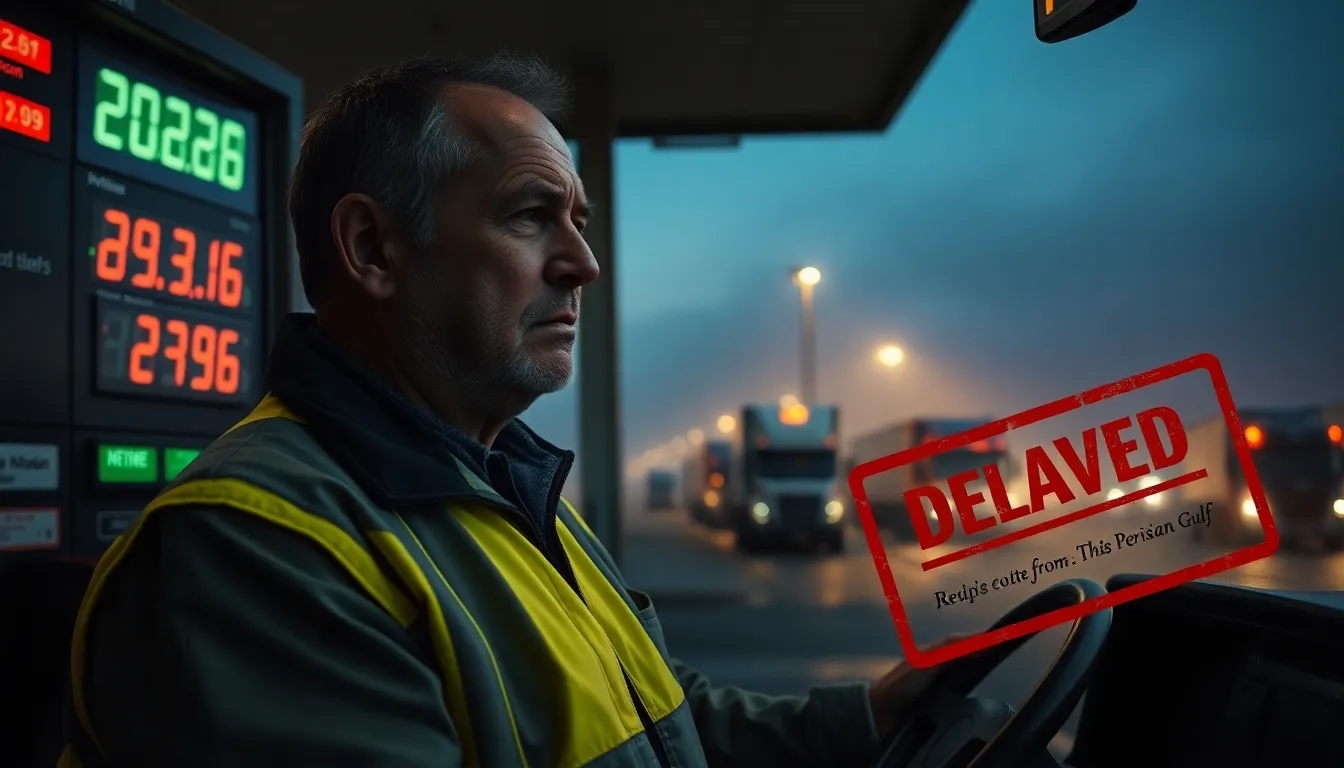
The aftermath is a scene of frustrating gridlock. Hundreds of massive tankers are just sitting there, trapped in the Gulf. They’re full of oil that can’t get to where it needs to go, which is a problem for every factory, power plant, and driver waiting for it.
Shipping companies face a terrible choice: wait indefinitely or embark on lengthy, expensive reroutes that add weeks and millions of dollars to a journey. This tangible risk of a long disruption is what global markets truly fear. They don’t just see delayed shipments; they see the real chance of lasting scarcity, and that nervousness gets priced into everything you buy, long before the last ship finally moves.
Conclusion

The image of those ships stuck in the Gulf is a powerful reminder of how fragile our connected world can be. It shows that a disruption in one narrow channel doesn’t stay there—it translates directly into higher costs and tough choices for people everywhere.
The takeaway is personal. It means understanding that the stability of your daily budget can be linked to events in distant waters. It encourages you to see the news of a blockade not as a far-off political event, but as a signal to pay closer attention to the practical rhythms of your own life and the economy that supports it.
What do you think? Does knowing Earth’s “delivery story” change how you feel when you look at the stars?