

 Munzir Hakimi
Table of Contents
Introduction

Imagine a single, narrow strip of water suddenly becoming the world’s most dangerous checkpoint. That’s what happens the moment a blockade is ordered for the Strait of Hormuz. It’s not just a news headline—it’s a switch that flips, instantly changing how the world moves. For you, this isn’t a distant political game. It’s the trigger for a chain reaction that hits your wallet, your commute, and the price of everything on the shelf.
This single event creates a tense standoff at sea, squeezes out a massive chunk of the world’s oil, and traps hundreds of ships. The result? A wave of disruption that travels from the Persian Gulf straight to your front door. Let’s break down why this matters so much, and how it connects directly to the life you’re living right now.
The Tense Standoff At Sea
Picture a naval blockade not as a slow policy shift, but as an immediate, physical wall. The order goes out, and suddenly, ships trying to pass through that narrow strait are stopped. It becomes a high-stakes standoff, where every captain now needs permission from a foreign navy just to move. The feeling on the water shifts from routine travel to nerve-wracking uncertainty and tension.
Why should you care about a traffic jam for tankers? Because that instant gridlock is the first domino to fall. Nothing gets in or out without a green light, creating a bottleneck for the world’s most important resource. This means the global flow of energy is now held hostage by a single, volatile checkpoint, setting the stage for everything that follows.
The Shock To Your Wallet
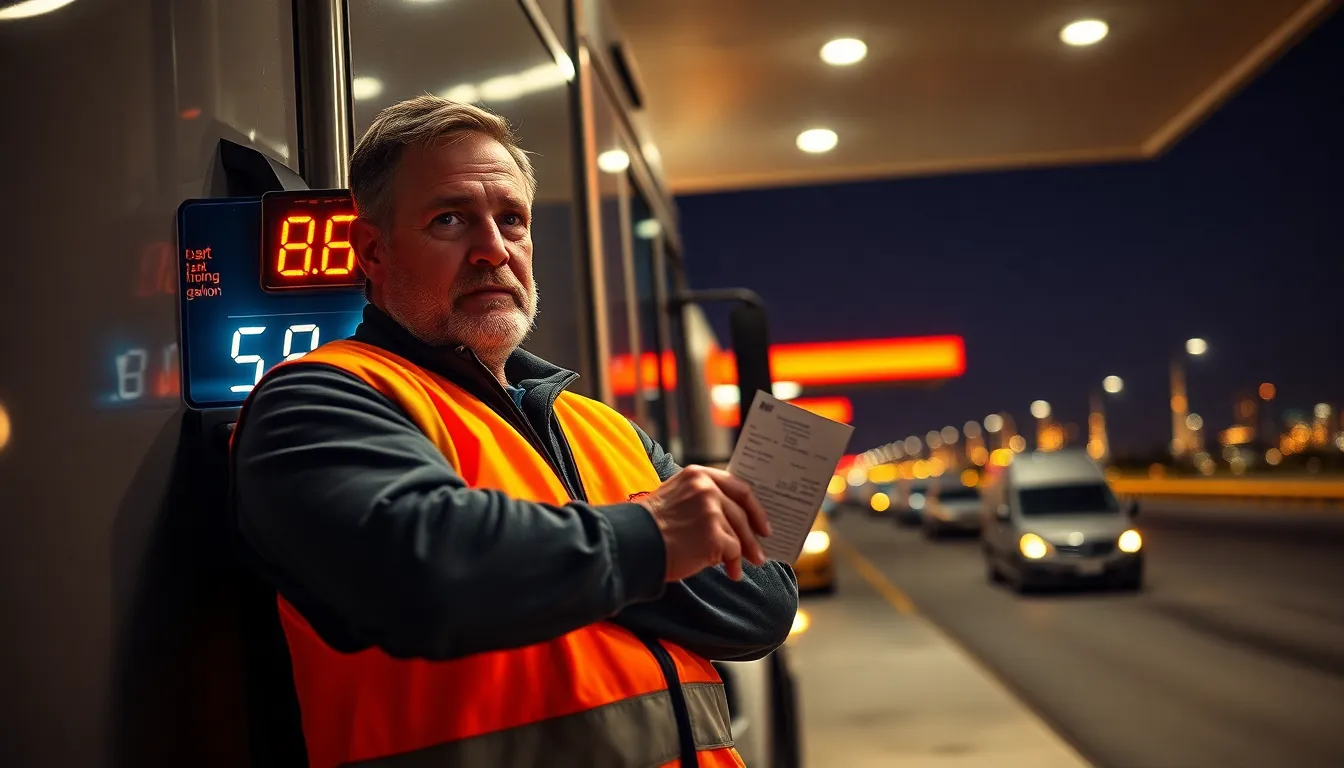
When one-fifth of the world’s oil supply gets stuck, the shockwaves are immediate and personal. Think about it: a huge portion of the fuel that powers cars, trucks, and factories is suddenly constrained. Markets react with panic, and prices for gasoline and diesel spike overnight. This isn’t a slow creep; it’s a sudden jolt to the system you depend on every day.
This price spike isn’t abstract. It means filling your car’s tank costs significantly more, draining your household budget. It means the cost of shipping goods skyrockets, which businesses pass on to you at the checkout. Your daily life gets more expensive in a very real way, forcing tough choices between driving, heating your home, or other essentials.
A Global Shipping Nightmare
For the companies that move the world’s goods, the blockade creates an impossible choice. They must either reroute their massive tankers on journeys that are thousands of miles longer, or simply sit and wait, going nowhere. Hundreds of ships become floating parking lots, stuck inside the Persian Gulf. The logistical headache is immense, but the financial pain is even worse.
Every day a ship is delayed or forced onto a longer route translates into massive losses. These aren’t just numbers on a balance sheet; they’re costs that ripple through the entire economy. The consequence for you is that the reliability of everything you buy is thrown into question. Delays, shortages, and higher prices for all sorts of products become the new, frustrating normal.
Conclusion

So, the next time you hear about tensions in the Strait of Hormuz, remember it’s more than geography. It’s about hundreds of ships sitting idle, representing a tangled knot in the world’s supply chain. That image of floating gridlock is the final, costly outcome of the initial standoff.
The takeaway is personal. Our global system is fragile, and a single choke point can disrupt the flow of your everyday life. It’s a reminder of how connected we all are, and how events far away can shape the choices you make right here at home, from what you can afford to buy to how you plan your week.
What do you think? Does knowing Earth’s “delivery story” change how you feel when you look at the stars?