

 Munzir Hakimi
Table of Contents
Introduction

We all grew up with a certain story about our ancient past. It’s a story of survival of the fittest, where early humans fought tooth and nail against each other and other species just to get ahead. It’s a world painted in shades of conflict and competition. But what if that story is wrong?
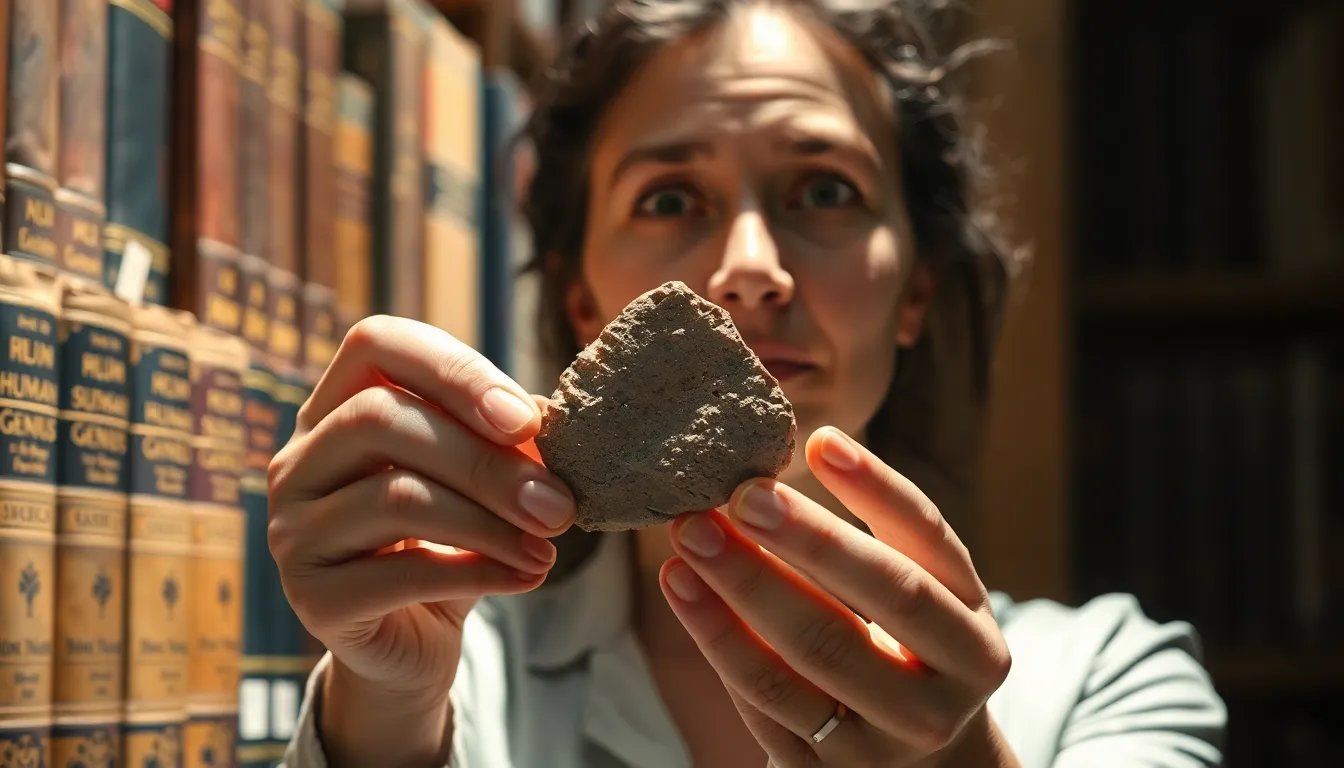
Imagine holding a simple stone tool and feeling the entire narrative of human history shift in your hands. That’s exactly what’s happening. This discovery isn’t just changing dusty textbooks; it’s rewriting the story of who we are. It challenges our deep-seated beliefs about human superiority and is now sending scientists on a whole new quest. This matters because it asks us to rethink the very foundation of human connection, not just in the past, but in how we see ourselves and work together today.
A Stone Tool And A Sudden Shift
Picture an archaeologist carefully holding a stone tool that’s over a hundred thousand years old. It was made with a very specific, recognizable technique. In that moment, something clicks. It’s not just an artifact; it’s a message. The feeling isn’t just about finding an old object, but about a sudden, profound shift in understanding. The old story of constant competition starts to crack.
Why should you care about a scientist’s ‘aha’ moment? Because it changes the origin story we all share. If our ancient relatives weren’t just fighting, but might have been sharing knowledge and working together, it means collaboration could be deeply wired into our history. It wasn’t all ‘me against the world.’ That shift from thinking about ancient people as only rivals to seeing them as potential partners is huge. It makes our own struggles to work together feel less like a modern failure and more like an ancient, human possibility.
Rewriting The Stories We Tell Ourselves
This isn’t a small footnote for experts. This discovery is powerful enough to rewrite the history books you read in school and change the displays in museums you visit. The old narrative that celebrated human beings as uniquely superior, solitary geniuses who conquered all is being taken off its pedestal. We spent a lot of time and money building that story.
The consequence for us is personal. It makes us question the tales we’ve always accepted as truth. If the foundational story of human triumph through lone struggle is flawed, what else have we gotten wrong? It asks us to look at our own lives and wonder if we overvalue going it alone and underestimate the power of shared effort. It challenges the very idea that ‘winning’ means someone else has to lose, a mindset that affects everything from our workplaces to our politics.
The New Search For Connection
So, where do we go from here? The energy has completely shifted. Now, research grants and documentaries aren’t just funding digs to find more evidence of ancient battles. They are actively, excitedly looking for proof of cultural exchange. Scientists are sifting through the dirt with new eyes, hoping to find clues of sharing, not just shoving.
This changes the game. It means the questions we ask about the past directly shape the future we explore. By choosing to look for connection, we are literally changing what we will find. For you, this is a powerful reminder that what you choose to look for in your own life—conflict or common ground—determines the story you will live. The search itself becomes a hopeful act, turning our curiosity toward building bridges, not just documenting walls.
Conclusion

The lasting impact of this story isn’t about a single stone. It’s about the new direction of our collective curiosity. We are now choosing to look for evidence of teamwork across the vast span of time. This search for exchange, not just evidence of conflict, reflects a deeper hope about human nature.
Your takeaway is this: the lens you use to view the past changes how you see the present. If we can rewrite an ancient story from one of competition to one of potential collaboration, imagine what stories about your own community or challenges you could rethink. It leaves you with a simple, powerful choice: will you look for division, or will you start searching for signs of connection?
What do you think? Does knowing Earth’s “delivery story” change how you feel when you look at the stars?