
 Munzir Hakimi
Table of Contents
Introduction

Think about the last time you sent money to a friend. You probably trusted your bank to make it happen. But what if the security of your money didn’t depend on a company’s reputation, but on a network of computers following a set of rules? That’s the shift happening right now.
This change moves the weight of security from a big institution to your own shoulders. It changes how you interact with your money, how you keep it safe, and even how you think about financial decisions. It’s not just a technical upgrade; it’s a whole new way of being in charge, and it comes with a mix of freedom and a very real, personal responsibility.
From Trusting A Bank To Trusting Proof
When you make a transaction on a decentralized network, there’s a quiet but powerful moment. You’re not waiting for a bank’s approval anymore. Instead, you’re waiting for a network of computers to agree, using a kind of verifiable, cryptographic proof. It feels less like asking for permission and more like watching an unstoppable machine do its work.
This is why you might find yourself checking a public ledger, or ‘blockchain explorer,’ to see the confirmations roll in. That act of checking isn’t just curiosity. It’s you witnessing the proof yourself. You’re no longer trusting a name on a building; you’re trusting a process you can actually see happening in real-time, which is a completely different kind of reassurance.
So what does this mean for you? It means your confidence comes from transparency, not from a brand. You feel a sense of direct control, but that control also means you’re the one who has to understand and verify the process. It’s empowering, but it asks more of your attention than simply trusting a familiar logo ever did.
The Weight Of Your Private Key
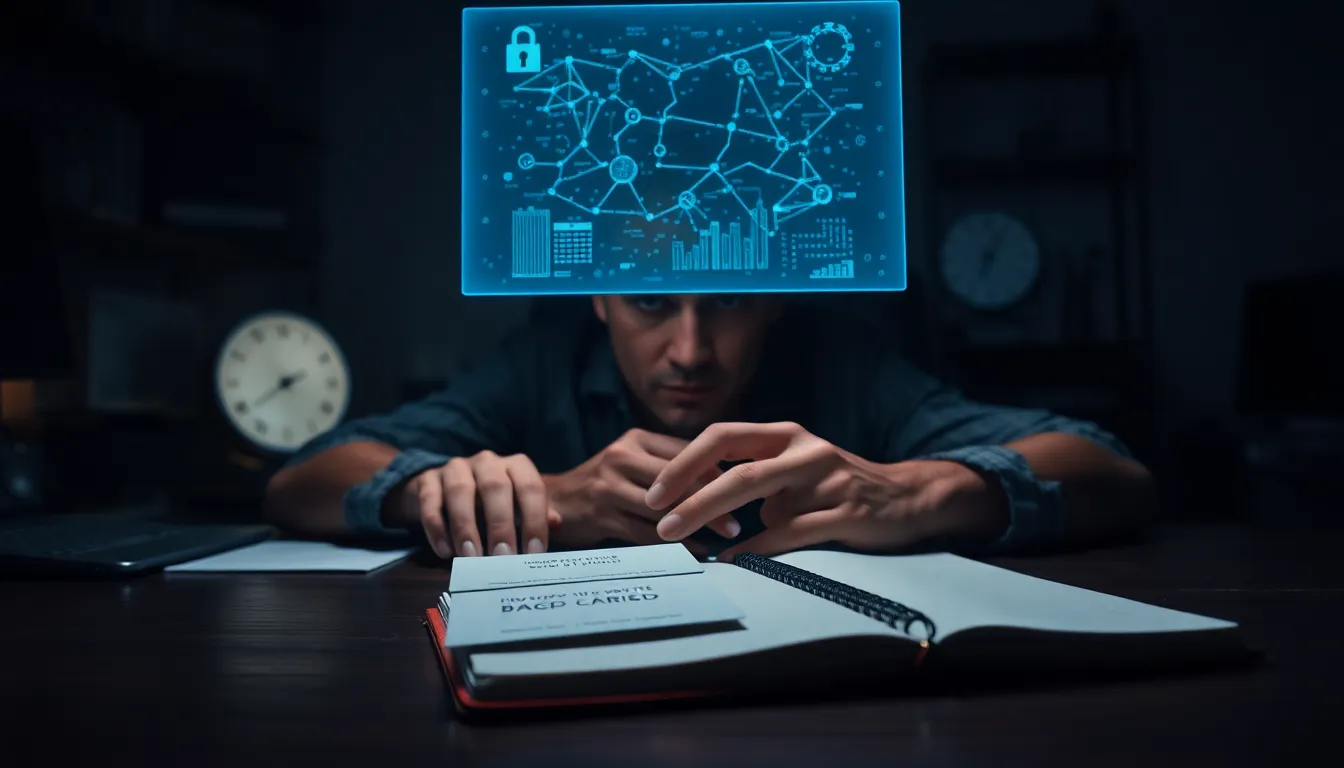
This new system places the entire burden of security on one thing: your private key. Think of it as the master password to your digital vault. There’s no ‘Forgot Password’ link, no customer service line to call. If you lose it, your funds are gone forever. That’s not a warning; it’s the cold, hard rule.
This reality adds a constant, low-level pressure to your routine. You can’t be casual about where you store that key or how you back it up. It transforms a simple task like saving your money into a serious act of personal stewardship. Your backup strategy isn’t just a good idea; it’s the only thing standing between you and total loss.
Why should you care? Because this changes your relationship with your assets from one of delegation to one of absolute ownership. The anxiety of possibly making a fatal mistake is the trade-off for total freedom. It forces you to be more deliberate, more careful, and ultimately, more responsible for your own financial safety than ever before.
A New Financial Daily Life
The result of all this is a new normal for managing your digital life. You’re not just holding digital cash; you’re routinely interacting with applications that run on these networks, from lending platforms to digital art markets. You’re not a customer logging into a website; you’re a participant connecting directly with your own keys.
This goes even further. You might find yourself voting on decisions for the future of a protocol you use, having a real say in how it evolves. This alters traditional financial behaviors at their core. You’re not just consuming a service; you’re helping to govern it, which is a role regular banking never offered.
What does this feel like day-to-day? It feels active and engaged. Your financial life becomes less about passive accounts and more about direct participation. The tools you use are in your hands, and their future is, in a small way, in your hands too. It’s a shift from being a passenger to having a hand on the wheel, which is both exciting and demands a new level of involvement.
Conclusion

So, this is the new reality. It’s a space where your financial habits are built on direct action—managing keys, using dApps, and even voting. The old model of passive banking is being replaced by one of active participation.
The lasting impact is on you. It asks you to be more hands-on, more informed, and more connected to the tools you use. It’s not always easier, but for many, the sense of direct ownership and influence makes the extra effort feel worthwhile, reshaping what it means to truly ‘have’ your assets.
What do you think? Does knowing Earth’s “delivery story” change how you feel when you look at the stars?