

 Munzir Hakimi
Table of Contents
Introduction
Imagine a single announcement from the US Navy instantly freezing a vital waterway. This isn’t a movie plot—it’s the real-world scenario that could send shockwaves through your wallet. The Strait of Hormuz is a narrow sea lane, but it’s the world’s most important energy corridor. If it gets blocked, the effects aren’t just political; they’re deeply personal.
The moment that blockade is declared, a chain reaction begins. Ships stop moving, global supplies get stuck, and the price of everything from gasoline to home heating starts to climb. This article will walk you through how a distant event can create a traffic jam for oil, spike your costs, and force businesses into frantic new plans. It’s about understanding why a map point you’ve never seen suddenly decides what you pay at the pump.
The Instant Traffic Jam At Sea
Picture a naval officer making an announcement. The moment the word ‘blockade’ is official, every captain on a massive oil tanker faces a terrifying choice. Do they sail forward and risk being stopped or seized, or do they hit the brakes right there in the water? It’s a decision made under immense pressure, with millions of dollars of cargo on the line.
The result isn’t just a few hesitant ships. It’s an immediate, global traffic jam. Think of it like a major highway suddenly closed at rush hour, but with supertankers. This isn’t a minor delay. It means the steady flow of energy that powers our daily lives—the fuel for trucks, factories, and cars—grinds to a halt at its source. The world’s supply just got stuck in a queue, and that’s a problem for everyone, everywhere.
Your Budget Feels The Squeeze
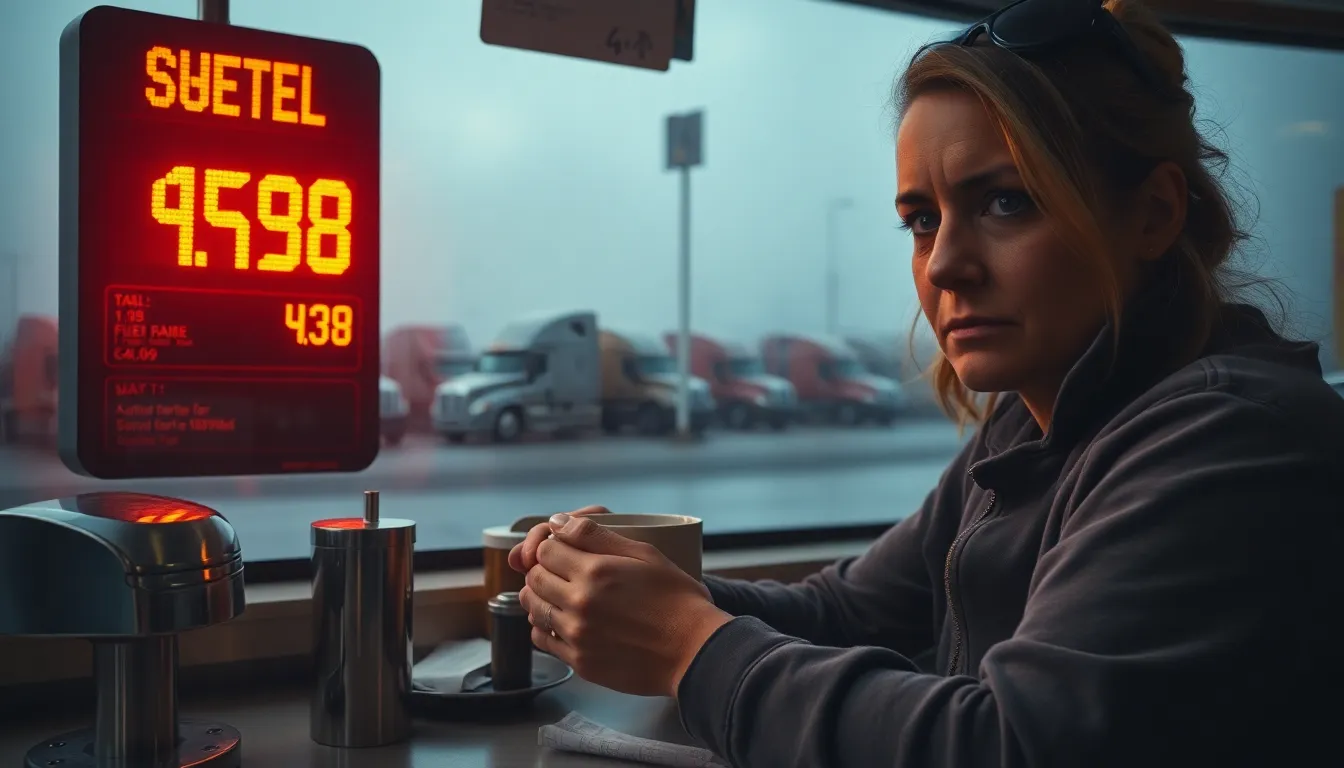
That physical stoppage of tankers doesn’t stay at sea. It lands directly in your bank account and your business ledger. When the supply of oil is threatened, the price of fuel and energy starts to jump almost immediately. This isn’t a future worry; it’s a present-day strain on your personal budget.
You feel it the next time you fill your car’s gas tank or open your heating bill. For a family, that extra cost might mean cutting back on groceries or a planned trip. For a business owner, it means the price of shipping goods goes up, and the cost of running machinery climbs. These aren’t abstract numbers on a screen. They’re real choices between filling up the car or putting less into savings, between hiring a new employee or covering higher operational costs. The distant blockade makes your life more expensive, right now.
The Frantic Scramble To Adapt
While you’re feeling it at the pump, a frantic scramble is happening behind the scenes. Shipping companies are in crisis mode, staring at maps to find new, much longer routes that avoid the blocked strait. Every extra mile burns more fuel and adds days or weeks to a journey. They’re forced to choose between costly delays or a costly detour, and either way, that extra expense gets passed down the line.
Meanwhile, in trading offices, people are betting on fear. Energy traders aren’t just looking at today’s oil price; they’re frantically trying to guess how long this blockage will last. They price in the risk of a weeks-long disruption, which pushes the cost of future fuel contracts even higher. This speculation isn’t just paper trading—it sets the price that your local gas station will pay for its next delivery. So, even before a single rerouted tanker arrives, the mere threat of shortage makes everything more expensive for everyone.
Conclusion

So, the next time you hear about tension in the Strait of Hormuz, you’ll know it’s more than just headlines. It’s about the frantic recalculations in shipping offices and the nervous bets in trading pits that directly shape what you pay. The real story isn’t just on the water; it’s in the chain reaction of human decisions that follows.
This understanding changes how you see the world. It connects a dot on a map to the numbers on your receipt. It means you can listen to the news not with confusion, but with a clear sense of what might be coming for your own budget. That knowledge won’t stop prices from moving, but it takes away the surprise and helps you feel just a little more prepared for the ripple effects of a distant world.
What do you think? Does knowing Earth’s “delivery story” change how you feel when you look at the stars?