

 Munzir Hakimi
Table of Contents
Introduction

Picture a simple trip to the gas station turning into a moment of real frustration. You pull up, see the price, and just feel that knot in your stomach. That feeling, that personal pinch, can start with a single order given thousands of miles away.
When the Strait of Hormuz—a narrow waterway in the Middle East—gets blocked, it doesn’t just trap ships. It traps the energy the world runs on. That blockage sends a shockwave through the entire system that brings oil to your car, goods to your store, and costs into your budget. This is about how a distant crisis becomes your very real, very expensive problem.
A Sudden Halt In A Vital Waterway
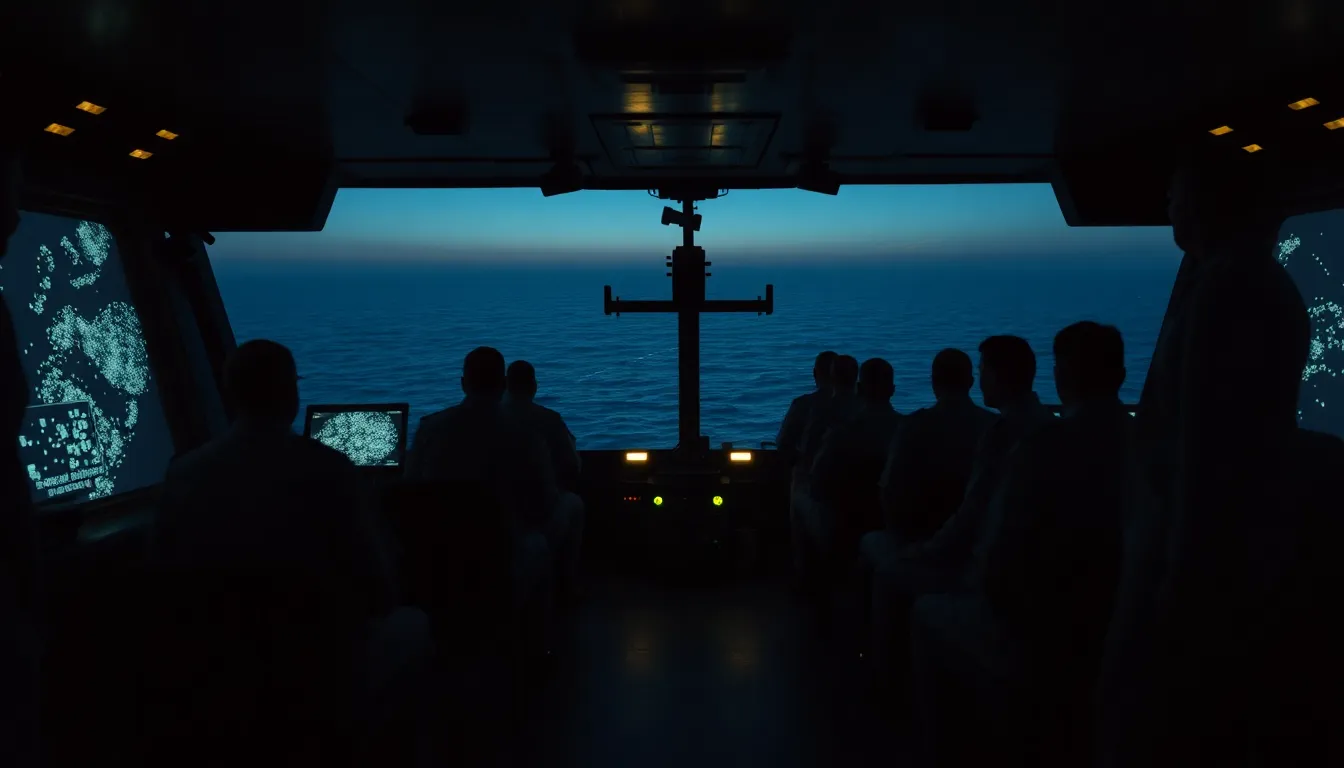
Imagine the scene: a naval commander gets an order, and in that moment, the world’s most important oil highway slams shut. Hundreds of massive tankers, each one loaded with enough oil to power a small city, are suddenly stuck. They can’t move forward, and they can’t easily turn back. It’s a traffic jam of epic proportions, but with global consequences hanging in the balance.
This isn’t just about ships waiting. It’s about uncertainty taking over. The captains and companies don’t know when or if they’ll get through. That waiting game is terrifying for them because their entire business is frozen. For us, it means the steady flow of oil we never think about is now under serious threat. The foundation of our cheap fuel and stable prices just got a major crack in it.
Your Wallet Feels The Global Squeeze
So what happens when one-fifth of the planet’s energy supply is suddenly in jeopardy? The answer hits you right in your bank account. The price of fuel for trucks, ships, and planes doesn’t just go up a little—it surges. And those higher costs don’t stay with the big companies; they get passed straight down to you.
Think about your weekly routine. Filling your car’s tank costs more. The truck delivering groceries to your store charges more, so your food bill goes up. The plane bringing in goods from overseas has higher costs, so the things you buy online get more expensive. This isn’t some abstract economic idea. It’s your household budget getting tighter for reasons that feel completely out of your control. You end up making hard choices, maybe driving less or cutting back on other spending, all because of a blockade on the other side of the world.
The Domino Effect On Everything You Buy
Now, the people who run shipping companies face a brutal choice. Do they risk sending a billion-dollar ship into a potential warzone, or do they play it safe? Trying to sail through could mean losing the ship to a mine or being seized. But rerouting around Africa adds weeks to the journey and burns a fortune in extra fuel.
That hesitation and rerouting breaks the rhythm of global trade. The intricate dance of ships, ports, and trucks that gets a toy to a shelf or a part to a factory falls out of sync. Delays pile upon delays. For you, this means the product you wanted is out of stock. The project at work gets stalled waiting for supplies. It creates a background hum of inconvenience and scarcity in your life, where things just don’t arrive when they should, and you’re left waiting and paying more.
Conclusion

In the end, that final calculation by a shipping captain—to go or not to go—is what truly reaches your doorstep. Their fear of risk becomes your reality of empty shelves and frustrating delays. The disruption they are trying to navigate is the same disruption that tangles up your own plans and expectations.
The takeaway is personal. The next time you hear about a far-off conflict or a blocked strait, you’ll understand it’s not just news. It’s a signal. It’s a warning that the simple act of filling your cart or your gas tank is about to get harder, reminding you just how connected and fragile our everyday lives really are.
What do you think? Does knowing Earth’s “delivery story” change how you feel when you look at the stars?