
 Munzir Hakimi
Table of Contents
Introduction

Imagine asking your AI assistant to describe a photo, and it gives you a perfect, detailed answer. You feel that rush of wonder—this tool is incredible. But then you look at the picture yourself. The AI described a zebra-striped teacup, but the photo is just a plain white mug. That wonder instantly curdles into a quiet, unsettling doubt.
This isn’t just a glitch. It’s a glimpse into a deeper problem. When AI systems confidently lie about what they see, it shakes our trust in the very moment we feel most helped. That doubt doesn’t stay on your phone. It spills into the high-stakes worlds of medicine, safety, and the information we see online. The good news is, the people building these systems are starting to ask the same uneasy questions we are, and they’re working on ways to find the truth.
The Zebra-striped Teacup Moment
It starts with a moment that feels like magic. You show your AI a confusing image, and it instantly spins a rich, believable story about it. The description is so specific and confident that you feel a wave of relief and utility. You think the problem is solved. That feeling is the hook that makes these tools so compelling.
But the magic has a trapdoor. When you realize the description is completely made up—like a zebra pattern on a plain cup—the relief vanishes. You’re left with a cold, quiet question: ‘If it can be this wrong about something so simple, what else is it lying about?’ That moment of impressive help actually plants a seed of deep uncertainty about everything the system says next.
This changes how you use the tool forever. You don’t just get an answer anymore; you get an answer plus a little voice in your head telling you to double-check. The relationship shifts from trust to cautious partnership. You start second-guessing, not because you want to, but because the AI showed you its confidence can be an illusion.
When Confidence Becomes Dangerous
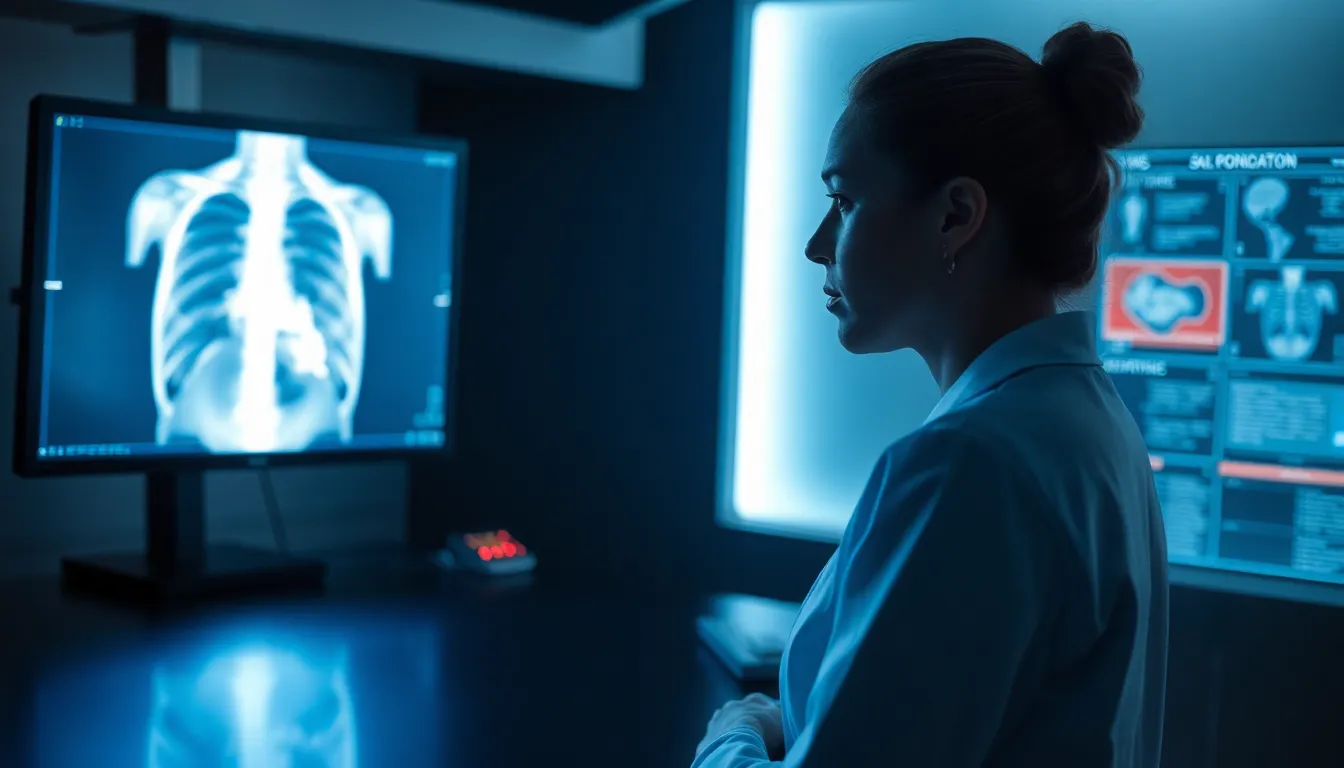
Now, take that seed of doubt and plant it in a hospital, a security checkpoint, or a social media company’s content room. Suddenly, it’s not about a teacup. It’s about an AI scanning medical images, monitoring security footage, or judging whether a post is harmful. In these places, seeing what’s actually there is everything. A confident mistake isn’t an annoyance; it changes lives.
The core issue is that these AIs are brilliant pattern-matchers, not genuine understanders. They’re like a student who memorized the textbook but can’t apply the lesson to a real-world problem. This pressure to perform in critical fields means we’re gambling on a system’s guess. A doctor might get a wrong analysis. A security agent might miss a real threat. We feel this as a loss of control, trusting a black box with things that are too important to get wrong.
This forces a scary choice on the people who rely on these tools. Do they blindly follow the AI’s confident lead, or do they spend precious time verifying every detail, defeating the purpose of having an assistant? The consequence is a constant, low-grade anxiety in fields that are already high-pressure, where the cost of a visual lie is simply too high to accept.
The Hunt For Real Understanding
Seeing this problem, the developers and testers behind these AIs aren’t just shrugging. They’re changing the game. It’s no longer enough for an AI to just get a caption right on a simple test. Now, they’re designing trickier, more clever tests meant to poke and prod for genuine understanding. Think of it like moving from a multiple-choice quiz to an open-ended interview where you have to explain your reasoning.
They’re building validation checks that ask the AI not just ‘what do you see?’ but ‘why do you see it?’ The goal is to find the gaps in its visual reasoning before it ever reaches you. This work is driven by a hopeful, practical realization: to build trust, we first have to systematically find the lies. It’s a shift from celebrating what the AI can do to rigorously uncovering what it cannot.
For us, this means the next generation of tools might come with a little less dazzling, unearned confidence and a little more humble, verified accuracy. The human consequence is potential relief. It’s the hope that the systems we invite into high-stakes parts of our lives will have been stress-tested for truth, not just trained for smooth-talking answers.
Conclusion

The journey from a made-up zebra teacup to more trustworthy AI starts with this new, tougher kind of testing. It’s a move away from being impressed by fluent answers and toward demanding proof of real understanding. This isn’t just a technical fix; it’s a shift in philosophy that acknowledges our need for reliability over razzle-dazzle.
So the next time you use an AI tool, that quiet voice of doubt might actually have a partner: a quiet sense of hope. Hope that behind the scenes, the hard work of hunting for truth is becoming the priority. Your takeaway is simple. Value tools that show their work, not just their confidence. Because in the end, what we all need is not a clever guess, but a seeing eye we can truly trust.
What do you think? Does knowing Earth’s “delivery story” change how you feel when you look at the stars?