Munzir Hakimi
Table of Contents
Introduction

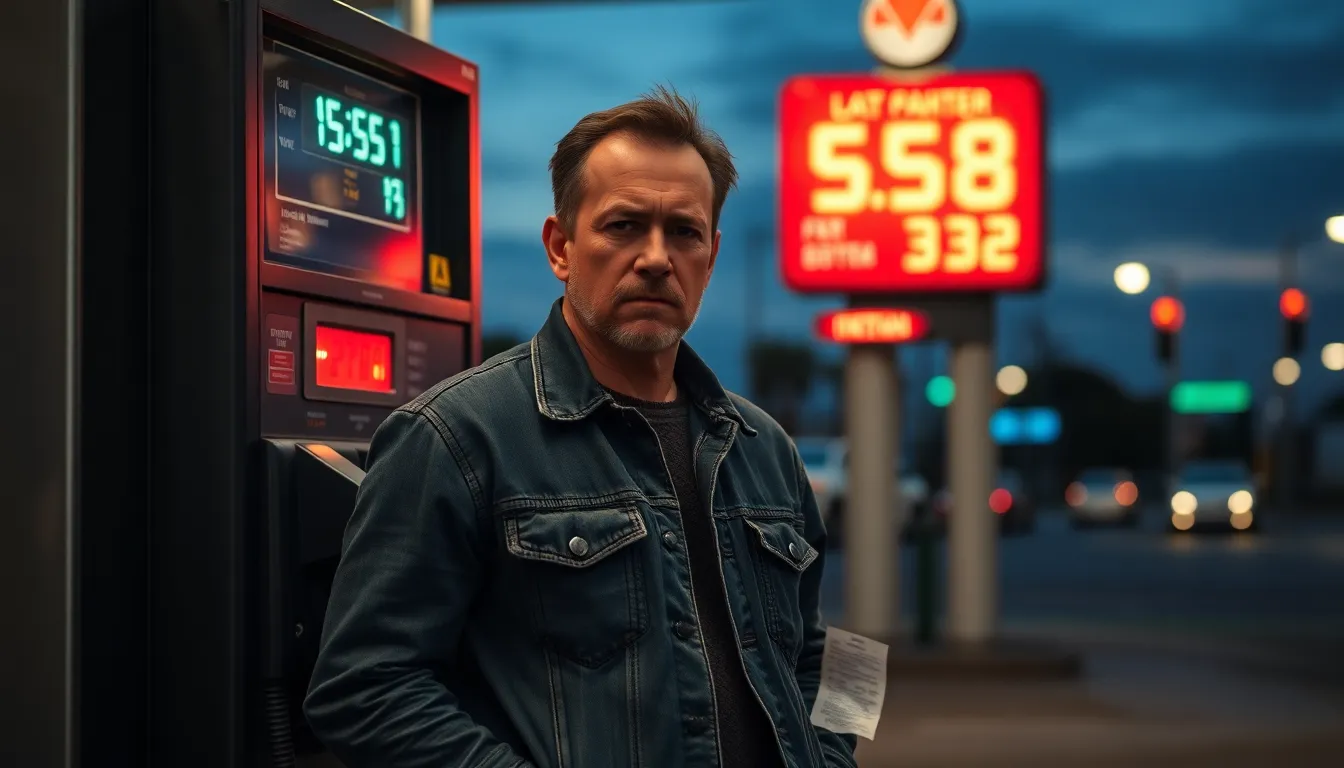
It feels strange, doesn’t it? You’re filling up your car, watching the numbers climb, and it’s hard to connect that moment to a military incident thousands of miles away. Yet that connection is real and immediate. A sudden clash in a narrow sea channel sends a shockwave that travels straight to your wallet.
This isn’t just about far-off politics. It’s about the unplanned hole in your budget and the quiet worry that comes with it. It’s about realizing that events in distant deserts now directly shape your daily commute, your family road trip, and how you plan your week. The world feels smaller, and your finances feel more fragile because of it.
When News Sparks A Global Flinch
Picture the scene: a news alert flashes about ships sinking in a vital waterway. For most of us, it’s a distant headline. But for the people who buy and sell oil, it’s a sudden jolt of fear. Their entire job is to guess what might happen next, and this looks like trouble.
That fear isn’t just a feeling—it’s a price. In an instant, they start thinking, ‘What if this gets worse? What if oil can’t get through?’ To protect themselves from that risk, they immediately start offering more money to secure oil right now. It’s a global flinch, and it happens in seconds.
So, before most people have even finished reading the article, the cost of a barrel of oil has already jumped. A problem on the other side of the planet has just been given a dollar value, and that bill is already on its way to you.
Your Wallet Feels The Squeeze
That jump in oil prices doesn’t stay on a computer screen. It flows like a current through refineries and pipelines, arriving at your local gas station within days. The station has to pay more for its next delivery, so the price on the sign goes up. It’s that simple, and that frustrating.
This is where the news becomes real life. You pull in for your regular fill-up and the total is ten or fifteen dollars more than you budgeted. That’s money you were going to use for groceries, or a movie night, or just to save. It’s an invisible tax on your life, imposed by a conflict you have no control over.
You feel it every time you drive to work or take the kids to school. The anxiety about making ends meet grows just a little bit, all because of a chain reaction that started in a place you’ve never seen. Your daily routine now has a direct, painful link to global events.
Budgeting For A World On Edge
This has changed us. We don’t just budget for gas based on our mileage anymore. We now have to budget for instability. When you hear about tensions in an oil-producing region, a part of your brain automatically recalculates. You might put off a weekend trip or combine errands, not because you want to, but because you feel you have to.
It makes the world feel less predictable. A family’s summer vacation plans, a small business owner’s delivery costs, a commuter’s choice to take the train—these are all now influenced by geopolitics. Global instability has become a regular, nagging guest in our financial planning.
We’ve been forced to become amateur analysts of foreign affairs, not out of interest, but out of necessity. The question ‘What’s happening over there?’ is immediately followed by a more personal one: ‘How will this affect me here?‘ The distance between a headline and your kitchen table has never felt shorter.
Conclusion

So, this is our new normal. We live in a world where a flare-up on a map you rarely look at can force you to rethink your weekend. The connection is permanent, and the feeling of vulnerability is real. Your personal finances are no longer just personal.
The takeaway isn’t to watch the news in fear. It’s to understand this link, so you’re not blindsided. It gives you a little power back—the power to see it coming and adjust. Knowing that the price at the pump is a story about global nerves, not just supply and demand, helps you make smarter, less stressful choices with the money you have.
What do you think? Does knowing Earth’s “delivery story” change how you feel when you look at the stars?