

 Munzir Hakimi
Table of Contents
Introduction

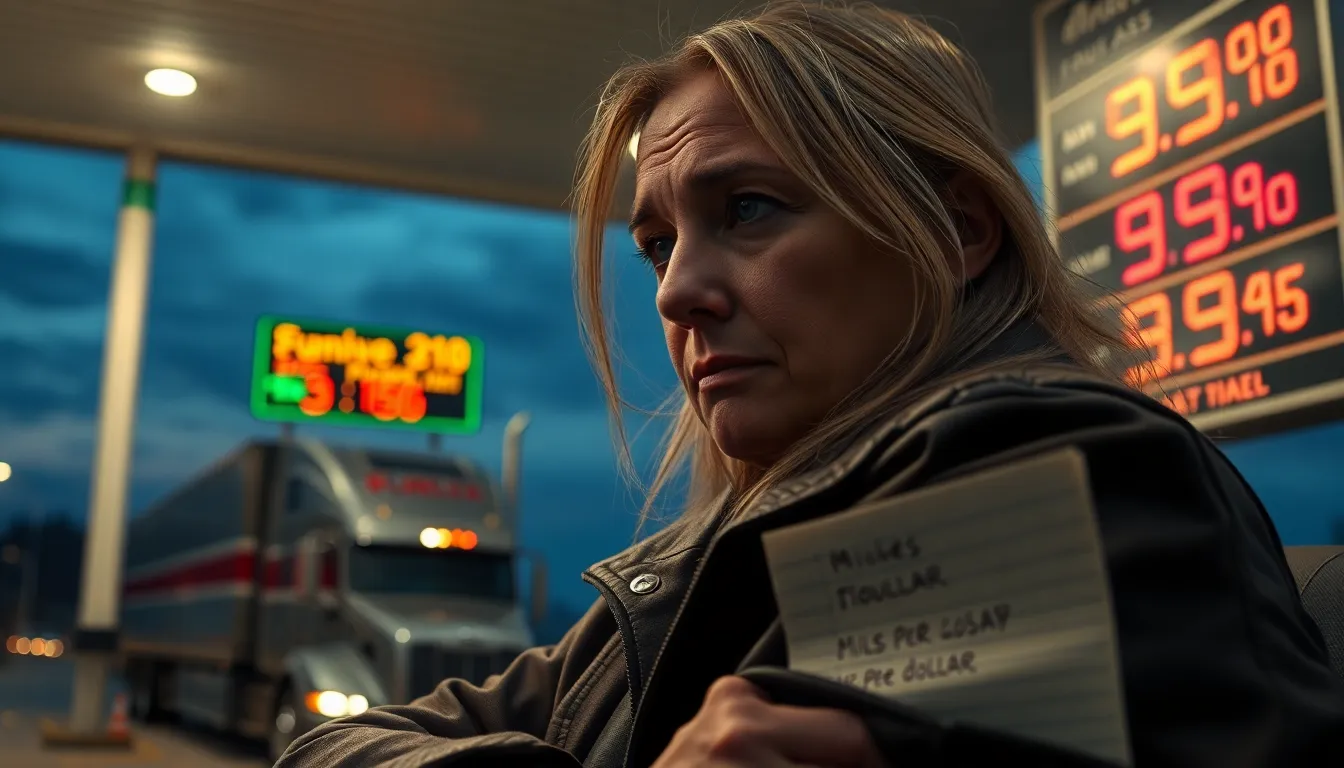
Imagine a simple trip to the gas station suddenly costing you twice as much. That’s the kind of real-world shockwave that can start with a single event thousands of miles away. It feels distant, like a news headline, but it’s actually a direct line to your wallet and your plans for the week.
When a critical shipping lane gets blocked, it’s not just about ships. It’s about the global nervous system of energy getting a massive jolt. That jolt forces traders to panic, which makes the price of everything that moves start to climb. It forces governments to scramble, and it leaves all of us watching the numbers at the pump, wondering how it will change what we can afford to do.
The Instant Global Panic Button
Picture a narrow waterway so important that blocking it is like hitting a global panic button. The moment a navy moves to seal it off, the world’s energy traders don’t just watch—they react. Their screens light up with risk, and their first instinct is to protect themselves.
Why should you care? Because these traders set the price for oil before it even reaches a refinery. Their fear becomes your higher price. It’s not about the oil already in tanks; it’s about the fear of what won’t arrive tomorrow. That fear has a price tag, and it gets added instantly to the cost of the next barrel, which means the next gallon.
Your Wallet Feels The Squeeze
So that abstract fear on a trading floor lands right in your daily life. It starts at the pump, where you feel a knot in your stomach seeing the price jump overnight. But it doesn’t stop there. Everything that travels by truck, ship, or plane gets more expensive to move.
This means your grocery bill creeps up. That weekend trip you planned now costs more in gas. For small businesses, it’s a nightmare of unpredictable costs. This volatility creates a fog of uncertainty that makes budgeting feel impossible. You start questioning every drive, every purchase, because the ground beneath your financial plans is no longer stable.
A World Forced To Reroute
Now, look at the tangible chaos. Hundreds of massive ships, each carrying a fortune in oil, are suddenly stuck. They can’t move. Shipping companies are in a frantic scramble, looking at maps for longer, riskier routes that take more time and burn more fuel.
This visible logjam is what forces nations to stare at their own vulnerability. Governments aren’t just watching—they’re recalculating their entire energy safety based on those stuck ships. It’s a loud, clear signal that the normal way of doing things is broken. For everyone, from a president to a truck driver, it means old plans are useless and new, more expensive ones have to be made on the fly.
Conclusion

The lasting lesson isn’t about geography or politics. It’s about how fragile our connected world really is. Seeing those ships stuck and routes redrawn makes the problem feel real in a way charts never could.
It leaves you with a new lens. Now, when you hear about a crisis in a faraway strait, you won’t just see ships. You’ll see the first domino falling toward your own life. That understanding is power—it’s the reason you glance at the gas prices with a deeper knowing, and feel the weight of a world running on a very thin thread.
What do you think? Does knowing Earth’s “delivery story” change how you feel when you look at the stars?