Munzir Hakimi
Table of Contents
Introduction

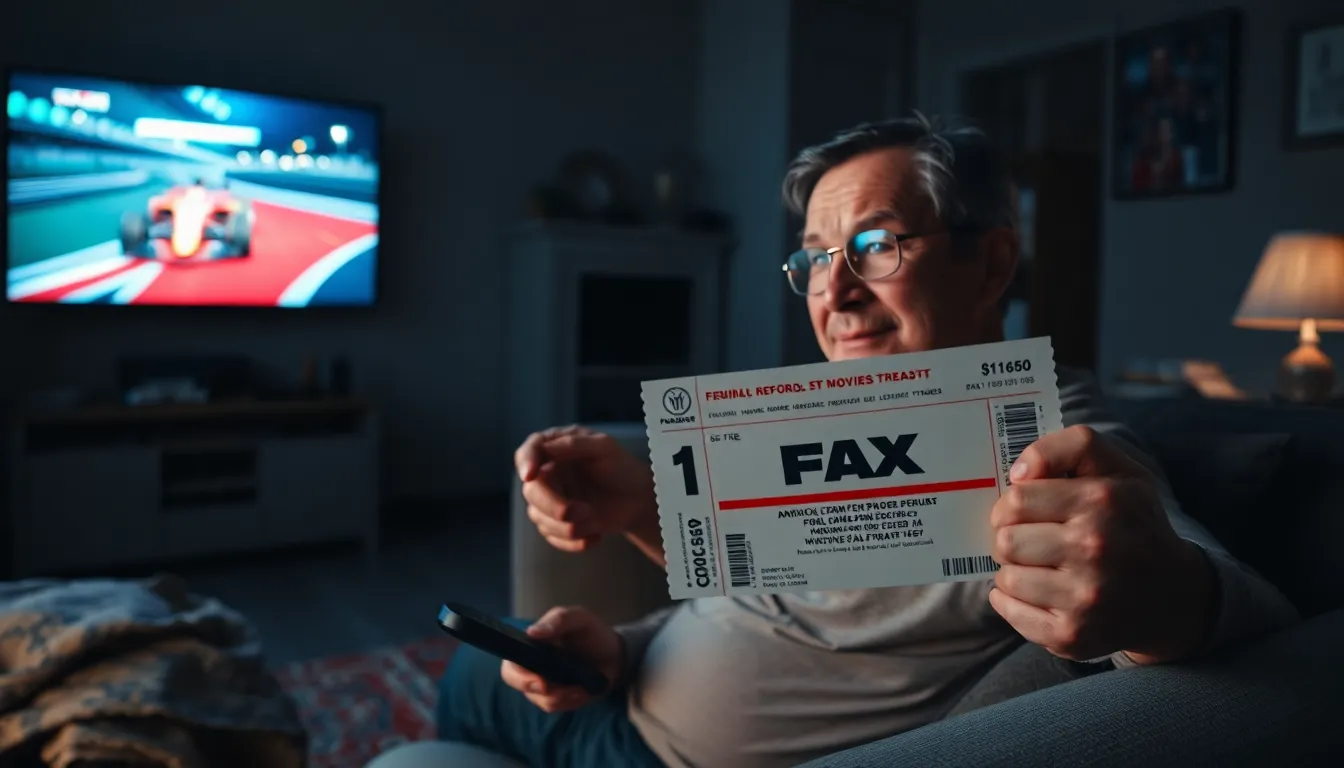
For decades, being a Formula 1 fan was a quiet, almost private ritual. You’d settle in alone, the TV screen your only window to the roar of engines and the blur of color. It was a personal passion, a secret thrill shared with no one in your living room. But that solitary experience is cracking wide open.
Now, imagine trading that familiar couch for a giant IMAX screen surrounded by other fans. This isn’t just about a bigger picture. It’s a fundamental shift from isolation to a shared, electric atmosphere. It forces a choice between your wallet and your desire for connection, and it’s turning a simple broadcast into a planned night out. This change asks a simple but profound question: what are you really paying for—just the race, or the feeling of being part of the crowd?
From Solitary Screens To Shared Roars
Picture a fan who knows every corner of Monaco from thirty years of watching it alone. Now, they’re sitting in a dark theater, and the same race is exploding on a screen that fills their entire vision. The sound isn’t just from their speakers; it vibrates through the room, and they can feel the energy of the people around them. That shift is huge. It’s the difference between private knowledge and communal feeling.
Why should you care? Because that lonely excitement you’ve always felt can suddenly feel amplified. Your gasp at a crash or your cheer for an overtake isn’t lost in an empty room. It’s part of a collective reaction. That changes the experience from the inside out.
The consequence is simple but powerful. You start to question your own habits. That quiet Sunday morning ritual feels different now, because you know there’s another option where the excitement isn’t just yours to keep. It’s a new kind of memory being formed, one you share with strangers.
The New Math Of Being A Fan
This amazing new experience doesn’t come free. Suddenly, being a fan has a new line item in your monthly budget. You have to make a choice: do you stick with the free stream at home, or do you spend around thirty dollars for that theater ticket? It’s not just about money. It’s about valuing your time and your thrill.
This pressure is real because it forces you to decide what kind of fan you want to be. Is the race just background noise for your Sunday, or is it an event worth planning and paying for? That question hits your wallet, but it also tugs at your heart. You’re weighing cost against connection.
The tangible outcome is a monthly dilemma. You’ll look at the calendar, see a Grand Prix coming up, and have a little debate with yourself. Is this the one? Is this race special enough to turn into a social investment? Your entertainment choices just got a lot more personal.
Planning A Night At The Races
This isn’t a last-minute decision anymore. Fans aren’t just deciding to go out; they’re marking their calendars for specific events like the 2026 Monaco Grand Prix or the race in Austin. They’re treating the broadcast like a blockbuster movie premiere. It becomes a cinematic event to anticipate, not just a show to watch.
Why does this matter for you? It transforms fandom from a passive habit into an active social plan. You’re not just consuming a sport; you’re creating a night out. The consequence is that the race itself becomes the centerpiece of an experience, complete with the buzz of arriving, finding your seat, and sharing the tension with a room full of people.
This behavior shows the emotional stakes have been raised. It’s no longer enough to just see the race. You want to feel it in a crowd. So, you plan for it. You coordinate with friends or go solo to be part of the bigger audience. The living room is for practice; the theater is for the main event.
Conclusion

So, what’s the takeaway from all this planning and anticipation? It’s that the value of watching a race has been fundamentally rewritten. It’s not just about the information on the screen anymore. The real draw is the shared pulse of the room, the collective gasp and cheer you can’t get at home.
This leaves you with a very personal choice to consider. The next time a legendary race is on the calendar, ask yourself: do I want to just watch it, or do I want to experience it? The answer might just be worth the price of a ticket and the effort of a plan. The race is the same, but how you feel it doesn’t have to be.
What do you think? Does knowing Earth’s “delivery story” change how you feel when you look at the stars?