
 Munzir Hakimi
Table of Contents
Introduction

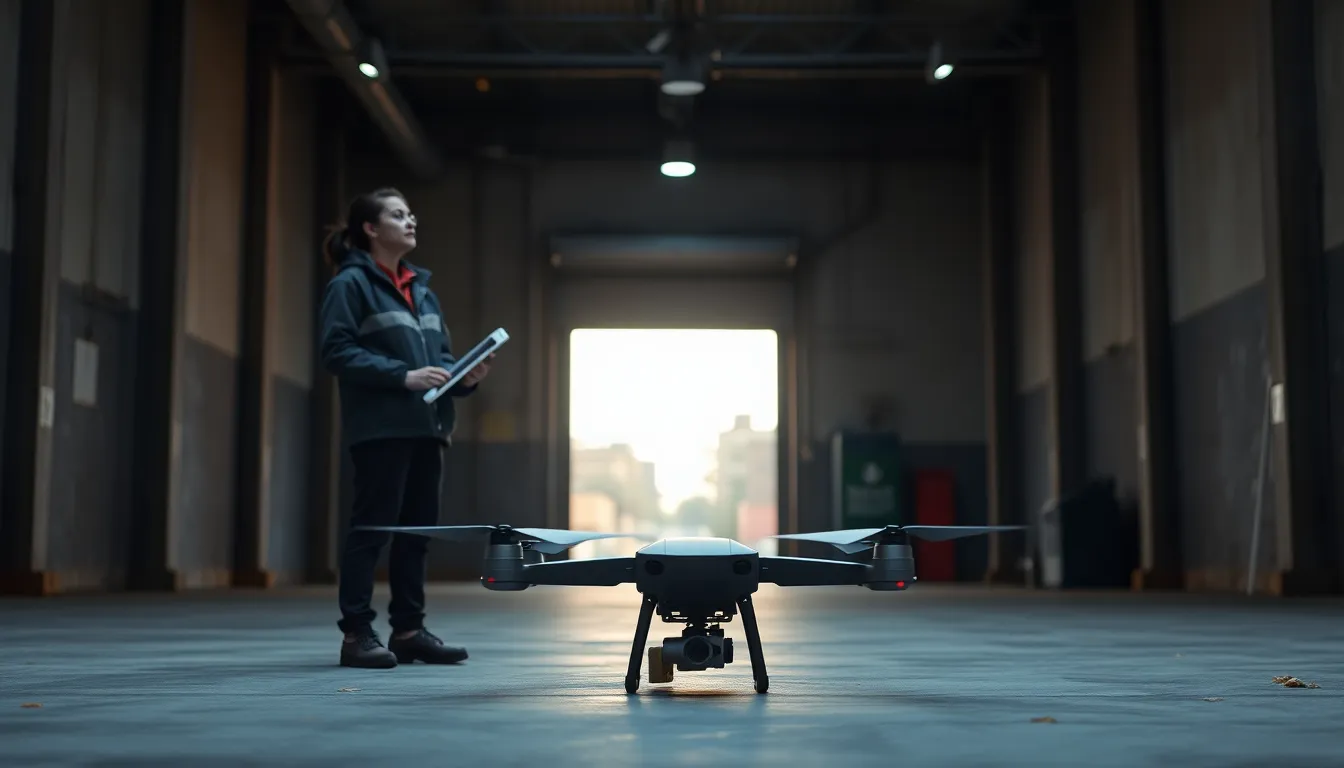
Picture this: you’re waiting for a package, tracking a little drone on your phone as it zips toward your house. Then, a gust of wind hits. The drone on your screen just… stops. It’s not broken, but it’s confused. It wasn’t ready for that wind, so it gave up and landed somewhere safe, leaving your delivery incomplete.
This isn’t just a minor tech hiccup. It’s a sign of a bigger problem. When our smart machines can’t handle a simple breeze, it means delays, extra costs, and frustration pile up for everyone. But there’s a shift happening. People are finally starting to treat the weather not as a small note in a manual, but as the powerful, unpredictable force it is. This is the story of why a windy day can stop a robot in its tracks, and what that means for the things you order and the world being built around you.
When The Plan Meets A Gust Of Wind
Imagine a delivery drone, buzzing along its perfect digital path. It knows every turn, every building, and exactly where to go. Then, out of nowhere, a strong crosswind shoves it sideways. This wind wasn’t in the plan. The drone’s brain has a simple, safe rule: if something unexpected happens that it can’t fix, it shuts down. So, it just lands right where it is, job unfinished.
Think of it like driving a car with a map that doesn’t show road closures. You’d have to pull over, right? That’s what the drone does. It’s following its safety programming to the letter, but that means your package gets left behind. The machine did exactly what it was told, but the world threw it a curveball it couldn’t catch.
This is the core of the frustration. The technology is incredibly smart, but also incredibly fragile. A common, everyday weather event becomes a brick wall because the machine’s understanding of the world is frozen in time. It can’t adapt in the moment, so it simply quits, leaving a task hanging in the balance.
The Ripple Effect Of A Stopped Robot
So a single drone lands in a park. Who cares? Well, that one shutdown starts a chain reaction. Your late package is just the start. For a company, it means missed promises and mounting costs. A whole fleet of drones might be grounded because of a forecast, halting deliveries for hours. In a factory yard, an autonomous cart that can’t handle wind might stop a production line, causing quotas to be missed.
This isn’t a rare disaster; it’s a regular business headache. Every time the wind picks up or a rain shower starts, the high-tech system grinds to a halt. Someone has to send a person out to retrieve the stranded machine or manually oversee the whole operation. That costs time and money.
The real consequence is that the very technology promised to make things faster and cheaper ends up creating new problems. It adds friction to your day when you’re waiting for something, and it forces companies to have backup plans for their backup plans, all because of something as ordinary as a breezy afternoon.
Learning To Listen To The Sky
The solution isn’t to build stronger drones or just accept the delays. It’s a change in thinking. The teams running these systems are now realizing they must treat weather as a core part of the plan, not an occasional nuisance. It’s like finally checking the weather app before you decide what to wear, instead of being surprised by rain.
This means feeding live weather data—real-time wind speed, direction, and forecasts—directly into the robot’s control system. The machine can then see the gust coming and adjust its path or power to compensate, just like you might lean into the wind while walking. Weather stops being a surprise that shuts things down and starts being a variable that is constantly managed.
It’s a fundamental upgrade from a rigid, pre-programmed world to a fluid, responsive one. The goal is for the system to feel the wind and say, ‘Okay, I see you,’ and then keep going. This shift turns weather from a show-stopper into just another piece of information to work with, which is how we’ve always had to live our lives.
Conclusion

The takeaway is hopeful. The struggle isn’t about defeating the weather, but about learning to work with it. The next wave of autonomy will be defined by this adaptability—by machines that can roll with the punches of the real world, not just operate in a perfect digital simulation of it.
For you, it means the promise of these technologies gets closer to reality. Fewer delayed packages, more reliable services, and systems that feel less brittle and more resilient. It’s a reminder that true intelligence, whether human or machine, isn’t just about having a plan. It’s about being able to change that plan when the world decides to blow a little harder.
What do you think? Does knowing Earth’s “delivery story” change how you feel when you look at the stars?