

 Munzir Hakimi
Table of Contents
Introduction

Imagine sitting in a doctor’s office, hearing about your next round of treatment. You expect to talk about drugs and side effects. But what if the conversation also turned to your dinner plate? This is the new reality in cancer care, where what you eat is becoming just as important as the medicine you take.
It’s a powerful idea that brings hope, but it also changes everything. It turns your kitchen into a part of your treatment plan, adding new layers of pressure and planning to your day. And it’s reshaping the medical team itself, bringing a new expert right to your bedside. This isn’t just about science; it’s about how we live, struggle, and find strength during one of life’s toughest challenges.
When Your Treatment Plan Includes A Grocery List
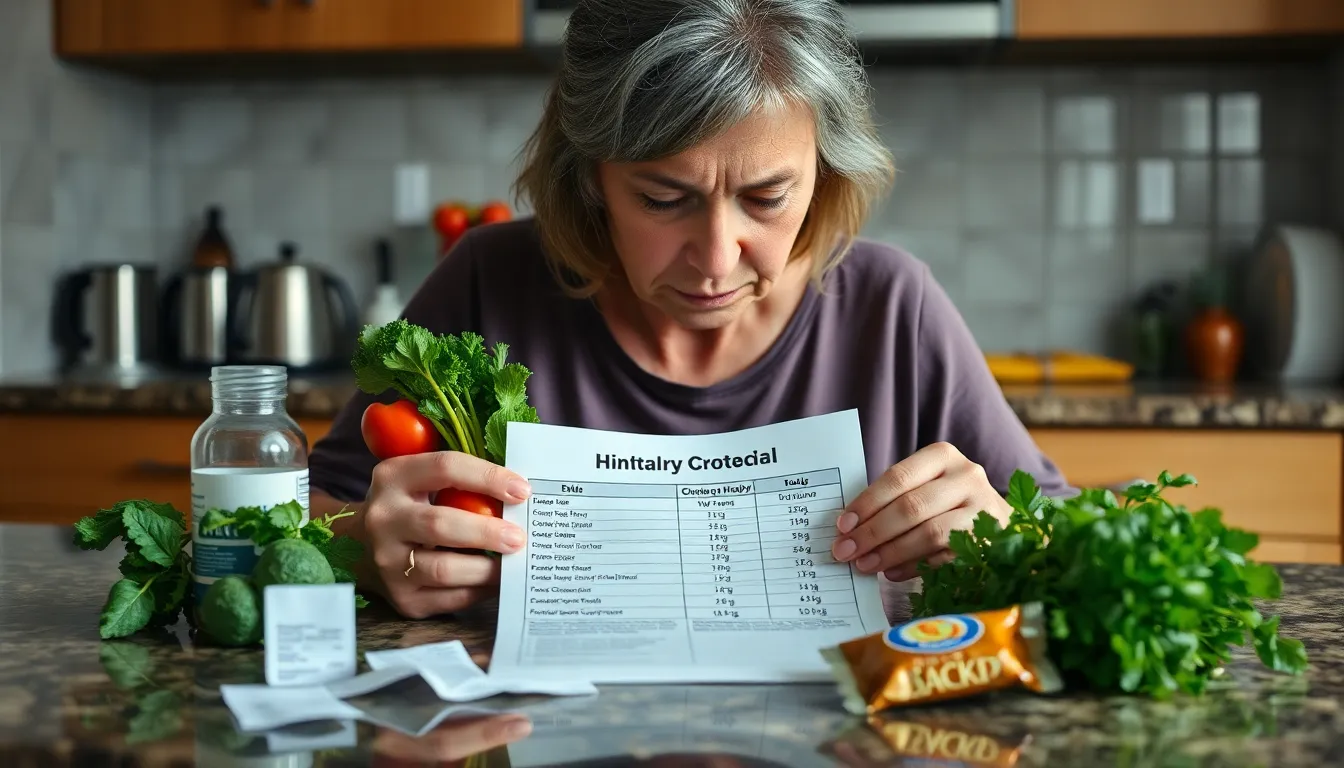
Picture getting your official treatment paperwork. Alongside the names of powerful drugs, you see a list of specific foods. It’s a moment of profound connection. Suddenly, your daily meals aren’t just about comfort or taste—they are a direct part of the medical fight. This changes how you see every bite.
Why does this matter so much? It gives you a powerful sense of agency. When you feel so much is out of your control, this is something you can actively do. It transforms the abstract science of treatment into something you can literally hold in your hands at the supermarket. Your choices at the store feel meaningful, like you’re stocking up on hope alongside your groceries.
The Heavy Weight Of A Healing Kitchen
This new responsibility, however, comes with a real cost. It’s not just about choosing the right foods. It’s the pressure to get it perfect, the extra time for meal prep, and the money for special ingredients. Your kitchen stops being a place of simple nourishment and becomes an extension of the clinic, filled with its own rules and stakes.
This weight changes your daily rhythm and can strain your resources. A simple trip for groceries isn’t casual anymore; it’s a mission with a checklist. For someone already exhausted by treatment, this can feel like a second job. The consequence is a life where every meal is a calculated decision, blending the hope of healing with the fatigue of constant management.
Your Dietitian Joins The Medical Team
Now, imagine walking into your oncology appointment. The doctor isn’t just checking your blood counts; they’re also looking at new markers that show how your body is using food. And there’s a new, essential person in the room: a dietitian who specializes in cancer. This expert is there to decode your body’s unique needs.
This shift is deeply personal. It means your care is no longer one-size-fits-all. The dietitian works with you to create a food plan that supports your specific metabolism and treatment. The result is you feel truly seen and supported in a new way. Your personal struggle with nutrition gets professional backup, turning a lonely challenge into a shared part of your healing journey.
Conclusion

The biggest takeaway is that you are not alone in figuring this out. The journey of blending food and medicine is now a supported path, with a guide built right into your care team.
It means the overwhelming task of ‘eating right’ gets a partner. This changes the emotional experience from one of isolated pressure to one of collaborative support. It’s a quiet but profound shift, reminding you that every part of your well-being is now being watched over, one meal at a time.
What do you think? Does knowing Earth’s “delivery story” change how you feel when you look at the stars?