

 Munzir Hakimi
Table of Contents
Introduction

Imagine sitting in a doctor’s office, facing a serious diagnosis, and hearing that something as simple as what you eat could help your treatment work better. That’s the powerful, hopeful idea we’re exploring. It’s not about miracle cures, but about a new kind of partnership between medicine and daily life.
This shift brings a surge of cautious hope for patients, but it also complicates the simple food choices we all make. It’s pushing families to seek expert advice and is starting to change how hospitals themselves operate. This story is about the real, human tension between hope and evidence, and how it’s reshaping the fight against illness from the inside out.
A Surge Of Cautious Hope
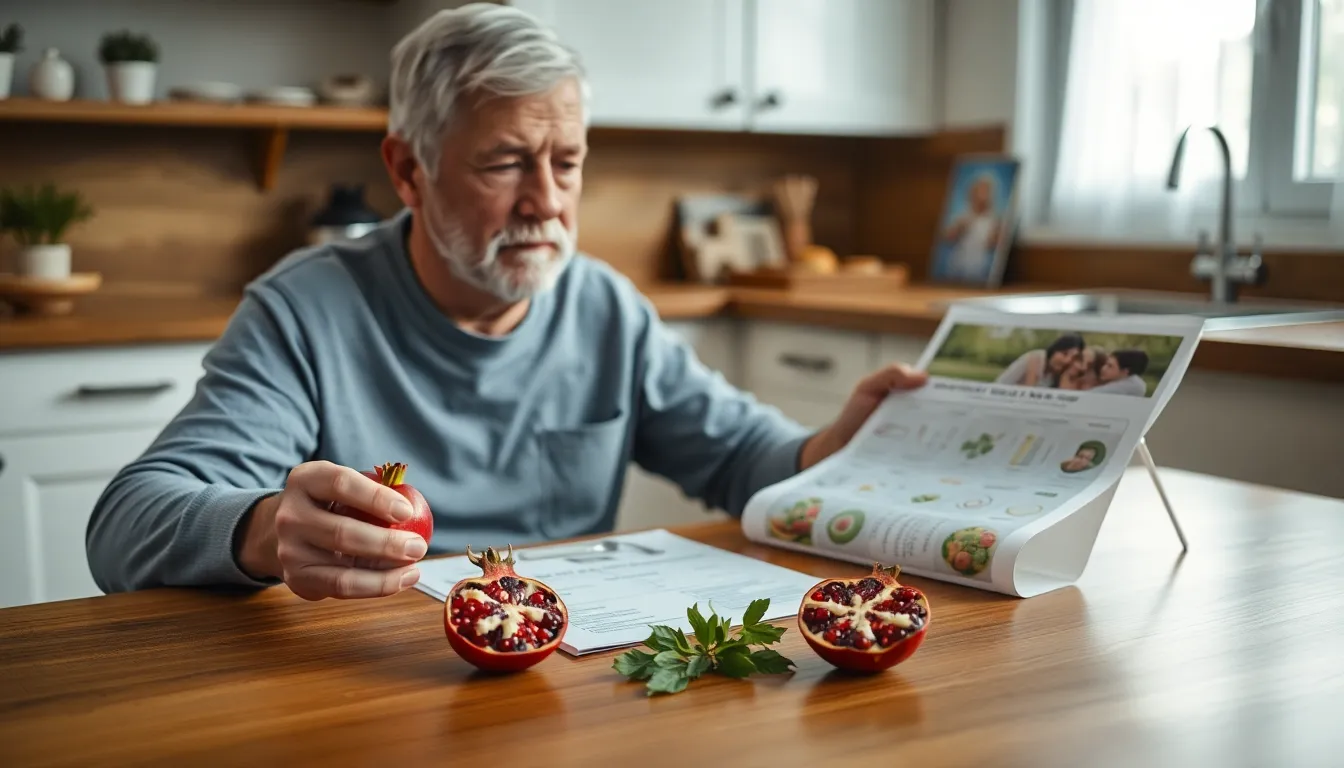
Picture a moment where a patient, deep in treatment, hears their doctor suggest a tweak to their diet. It’s not about a radical fast or a strange supplement, but a simple, common nutrient. This isn’t just medical advice; it’s a spark. It feels like gaining a small piece of control in a situation where you often have none. That feeling matters because hope itself can be a powerful force when you’re fighting for your health.
The idea is that this dietary change, combined with their therapy, might help their body respond better. Think of it like giving the medicine a better environment to work in. For someone in that chair, it transforms a meal from just food into a potential part of their healing strategy. It makes every bite feel more intentional, more connected to their fight.
Beyond Good Food And Bad Food
This new thinking completely shatters the old ‘eat this, not that’ list we’re used to. It’s no longer just about broccoli being ‘good’ and sugar being ‘bad’ in a general sense. Now, the specific timing and type of food might interact with very specific treatments. This creates a confusing, high-stakes puzzle for families who just want to help their loved one get better.
That pressure forces a crucial change in behavior. It means families can’t just google a diet or follow an old wives’ tale. They have to pause and consult a specialist before making any big changes. This balances their natural hope with hard clinical evidence. It’s a difficult but necessary step, turning well-meaning kitchen efforts into a coordinated part of medical care, which protects the patient from well-intentioned but potentially harmful mistakes.
When Food Becomes Standard Care
This isn’t just a hopeful idea anymore; it’s becoming part of the system. Researchers are now designing studies where a specific dietary protocol is given right alongside the drug regimen, just like another part of the prescription. This formalizes the approach, moving it from a hopeful ‘maybe’ to a tested part of the plan. For future patients, it means this help could be a standard offering, not a lucky guess.
The most tangible change is happening in hospitals. Major cancer centers are starting to have ‘nutritional oncology’ as a standard service you can be referred to, just like physical therapy or counseling. It means a patient can sit down with an expert who understands both food and cancer science. This turns nutrition from a confusing side project into a normal, supported part of comprehensive care, making that cautious hope more accessible and grounded for everyone.
Conclusion

The lasting takeaway is that the fight against serious illness is becoming more holistic. It’s not just about the drug in your IV; it’s about recognizing that your entire lifestyle, starting with the food on your plate, is part of the battlefield. The integration of dietary care into the standard hospital system means this support isn’t a luxury or an afterthought—it’s becoming a fundamental right for patients.
For anyone walking into a treatment center today or in the future, this shift offers a quiet reassurance. It means your care team is thinking about you as a whole person. It means you can ask about nutrition and get a knowledgeable answer. That changes the experience from the inside, offering not just treatment, but a more thoughtful and supported path forward.
What do you think? Does knowing Earth’s “delivery story” change how you feel when you look at the stars?