

 Munzir Hakimi
Table of Contents
Introduction

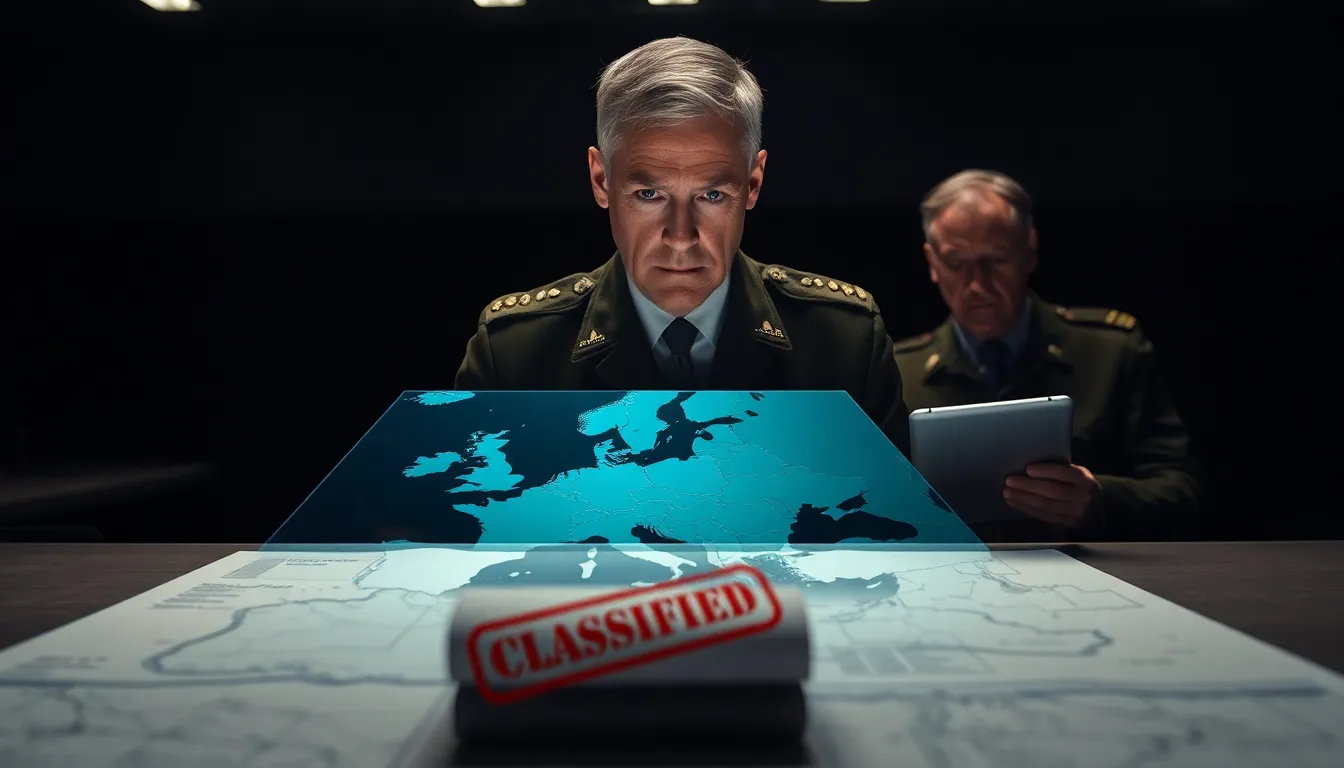
Imagine a sudden, quiet conversation in Washington that could pull the rug out from under Europe’s security. That’s the reality right now, as the U.S. considers withdrawing tens of thousands of troops stationed there. For you, this isn’t just about troop movements on a map—it’s about the unsettling feeling that the rules you thought were solid might be changing, and it could affect everything from the price of gas to the safety of our closest allies.
This single idea sends shockwaves in three big ways. It throws diplomats into a panic, trying to decode urgent new demands. It forces European countries to scramble and spend money they hadn’t planned to, which could mean less for things like schools or hospitals at home. And it turns a long-standing alliance from a planning committee into a high-pressure crisis room. The stakes are real, and they touch on our wallets, our security, and our trust in the world order.
A Sudden Demand Throws Everything Into Chaos
Picture the scene: NATO diplomats, who usually work on plans for the next decade, are now scrambling to understand a sudden, urgent demand from Washington. The mere suggestion of pulling U.S. troops from Europe has flipped a switch. The mood has shifted from calm planning to pure, anxious uncertainty. For the people in those rooms, their entire job just changed overnight.
Why should you care? Because when trust and long-term plans break down between allies, it creates a world that feels much less predictable. This isn’t a slow policy discussion anymore. It’s a frantic game of telephone where the message is about the Strait of Hormuz—a vital waterway for global oil. A misunderstanding here could ripple out to your gas pump and the stability we all take for granted. The consequence is a knot in your stomach, the feeling that big decisions affecting your life are being made in a panic.
The Hidden Bill Lands On European Doorsteps
Now, think about the practical fallout. Countries like Germany and Italy suddenly face a giant, unexpected bill. If American troops leave, the security blanket they provided vanishes. European governments are now pressured to fill that gap themselves, and fast. This isn’t about long-term ambition; it’s a frantic race against a new clock they didn’t set.
This pressure hits where it hurts: the national budget. Money that was earmarked for roads, healthcare, or education might now get diverted to tanks and jets. For everyday citizens, this could mean tangible sacrifices—higher taxes, or public services that don’t get the funding they need. The human consequence is a feeling of unfairness, that your family’s financial security is being traded in a dispute happening far away. Your government’s careful plans for your future are now up in the air.
From Planning To Panic In A Matter Of Days
The most telling sign of this crisis is the change in behavior at the very top. NATO’s Secretary General isn’t talking about five-year strategies. He’s delivering an ultimatum from Washington, demanding concrete answers in days, not years. The entire tone of the alliance has snapped from patient to desperate. It feels less like a partnership and more like a tense negotiation where time has almost run out.
This shift matters deeply because it shows how fragile our security structures really are. When long-term allies start making demands with deadlines, it erodes the foundation of trust everything was built on. The consequence is a world that feels more transactional and less safe. For you, it means the news will be filled with urgent, worrying headlines instead of reports of steady cooperation. The emotional impact is a loss of confidence, wondering who you can really count on when the pressure is on.
Conclusion

So, what are we left with? The key takeaway is that the very nature of how allies work together has changed in a flash. We’ve seen that trust can be replaced by a ticking clock, and decades of planning can be sidelined by a single, urgent demand. This isn’t just politics; it’s a shift in the emotional bedrock of international relations, moving from shared security to a tense bargain.
Let this be a reminder to pay attention not just to *what* leaders say, but *how* they say it. The shift from planning to panic is the real story. It asks you to question the stability you assume is there and to understand that the alliances that keep the peace require constant, careful work—work that can unravel surprisingly fast when immediate pressure takes over.
What do you think? Does knowing Earth’s “delivery story” change how you feel when you look at the stars?