

 Munzir Hakimi
Table of Contents
Introduction

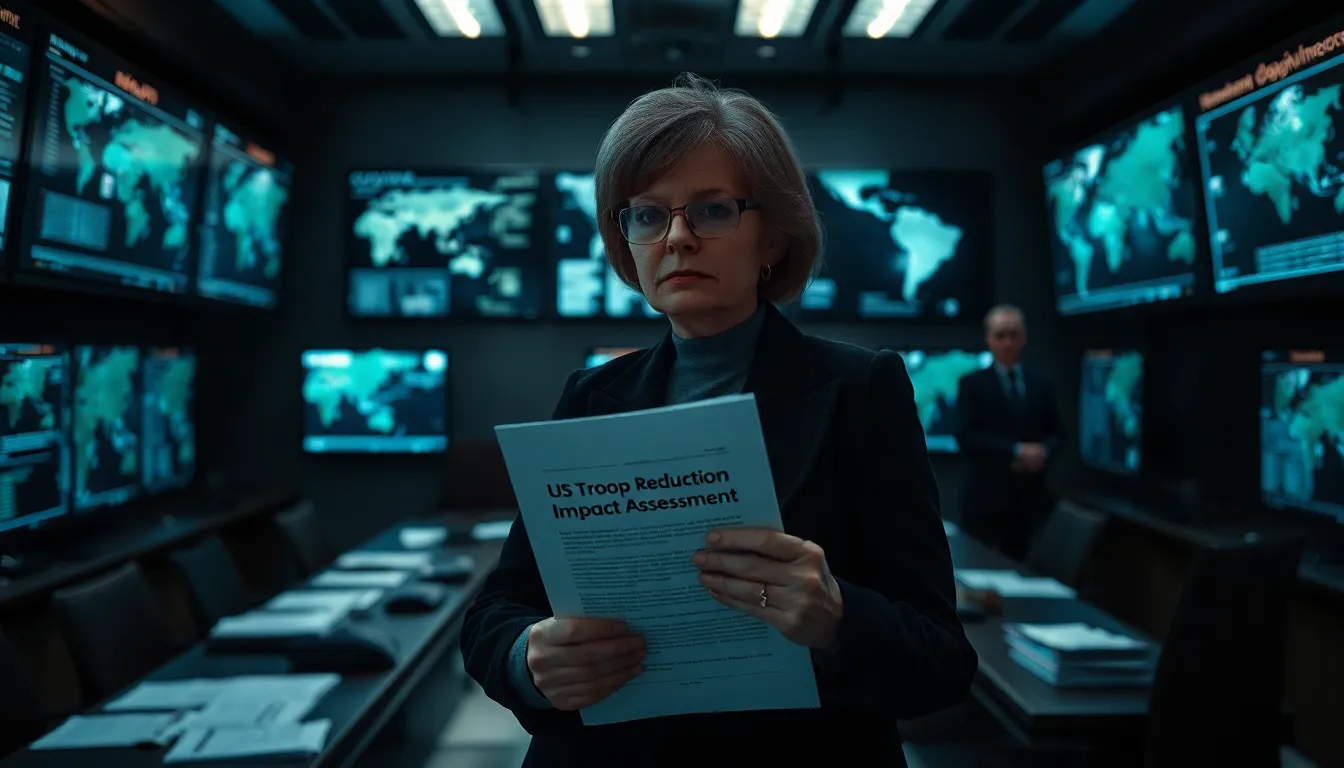
Imagine you’ve always relied on a strong, steady friend for protection. Then, one day, you overhear them quietly talking about moving away. That’s the kind of gut-punch feeling sweeping through Europe right now. News that the White House is even discussing pulling out a huge number of troops has sent a shockwave of doubt across the continent.
This isn’t just about military numbers on a map. It’s about trust, security, and the future people thought they could count on. For ordinary Europeans and Americans alike, this shift means watching long-held assumptions about safety and partnership start to wobble. The coming months will force hard choices about money, alliances, and what it truly means to stand alone.
A Whisper That Shakes Trust
The whole situation started not with a formal announcement, but with a quiet confirmation from a senior official. That simple act—admitting the talks are happening—has done something powerful. It has planted a seed of deep, nagging doubt in the minds of America’s closest allies.
Why should you care? Because when trust between nations weakens, it doesn’t stay in conference rooms. It trickles down into a feeling of unease. People start to wonder if the promises that have kept their world stable for decades are still solid. That uncertainty is a heavy weight, making every future plan feel a little more risky.
The immediate consequence is a quiet panic behind closed doors. Leaders who built their security strategy on an unshakable American commitment are now left questioning everything. They are forced to ask a frightening question: if this foundation can crack, what else might change?
The Crunch Of Time And Money
Suddenly, European capitals are staring at a ticking clock and an empty wallet. The potential US withdrawal creates immense pressure to spend more on their own defense, and fast. But budgets are tight, and building a military isn’t something you can do overnight.
This means governments are now in a brutal scramble. They have to make painful choices about where to cut other spending—maybe from schools or hospitals—to fund tanks and planes. It’s a stressful, high-stakes puzzle with no easy answers, and the ordinary citizen will feel the pinch in public services.
For people at home, the consequence is a future where their tax money is redirected in a big way. The debate shifts from what kind of society they want to build, to what kind of fortress they need to become. It’s a shift from hope to necessity, and it changes the feel of everyday politics completely.
The Scramble For New Answers
You can see the reaction playing out in real time. Diplomats are rushing between meetings, desperately trying to get a straight answer from Washington. At the same time, European leaders are quickly huddling together, talking about how they can protect each other without waiting for the US to decide.
This flurry of activity matters because it shows a relationship changing shape. It’s the nervous energy of someone realizing they need to learn to stand on their own two feet, fast. The old way of doing things is breaking down, and that creates both anxiety and a strange new sense of determination.
The tangible outcome is a Europe that starts to look inward for solutions. Talks that used to be led by Washington now happen between Paris, Berlin, and Brussels first. It’s a practical, human response to uncertainty: when you can’t rely on the old plan, you start making a new one with the people closest to you.
Conclusion

So, the lasting change isn’t found in a single policy document. It’s in the new rhythm of action. The frantic calls and accelerated meetings reveal a continent learning to trust its own voice and make its own plans, not out of choice, but out of newfound necessity.
The takeaway is simple yet profound: when the ground shifts beneath you, you start moving differently. For all of us watching, it’s a reminder that the alliances we take for granted are living things. They breathe, they change, and sometimes, they force everyone to grow up a little faster and stand a little taller on their own.
What do you think? Does knowing Earth’s “delivery story” change how you feel when you look at the stars?