
 Munzir Hakimi
Table of Contents
Introduction

Imagine a silent, invisible game of cat and mouse happening right now on the ocean floor. It’s not a movie plot—it’s a real, tense standoff where Russian submarines have been spotted near the vital cables that power our internet and energy. This isn’t just a distant military exercise; it’s a quiet move that has everyone on edge.
That single detection triggered a chain reaction that affects us all. It forces governments to spend our money on constant patrols, stretching budgets thin. And now, the once-open sea is becoming a watched space, a deliberate show of force meant to keep our daily lives from being disrupted. This story is about how a hidden threat in the deep ocean ripples out to touch our security, our wallets, and the very stability we take for granted.
A Silent Standoff Beneath The Waves
The whole thing started with a quiet alarm. Special Russian submarines, the kind built for stealth and secret missions, were found lurking near the undersea cables that are the backbone of our world. Think of it like someone quietly testing the locks on the main power line to your entire neighborhood. The immediate response was a surge of allied warships and patrol planes racing to the scene.
This created a strange and tense silence. Two powerful forces, hiding in the dark water, each aware of the other but not making a move. It’s a high-stakes game where the first sign of trouble could be a cut cable, and suddenly, your video call drops or a financial transaction fails. The stakes are that real and that close to home. Our connected lives hang in the balance, dependent on infrastructure we never see but that is now in someone’s crosshairs.
The Hidden Tax On Our Security
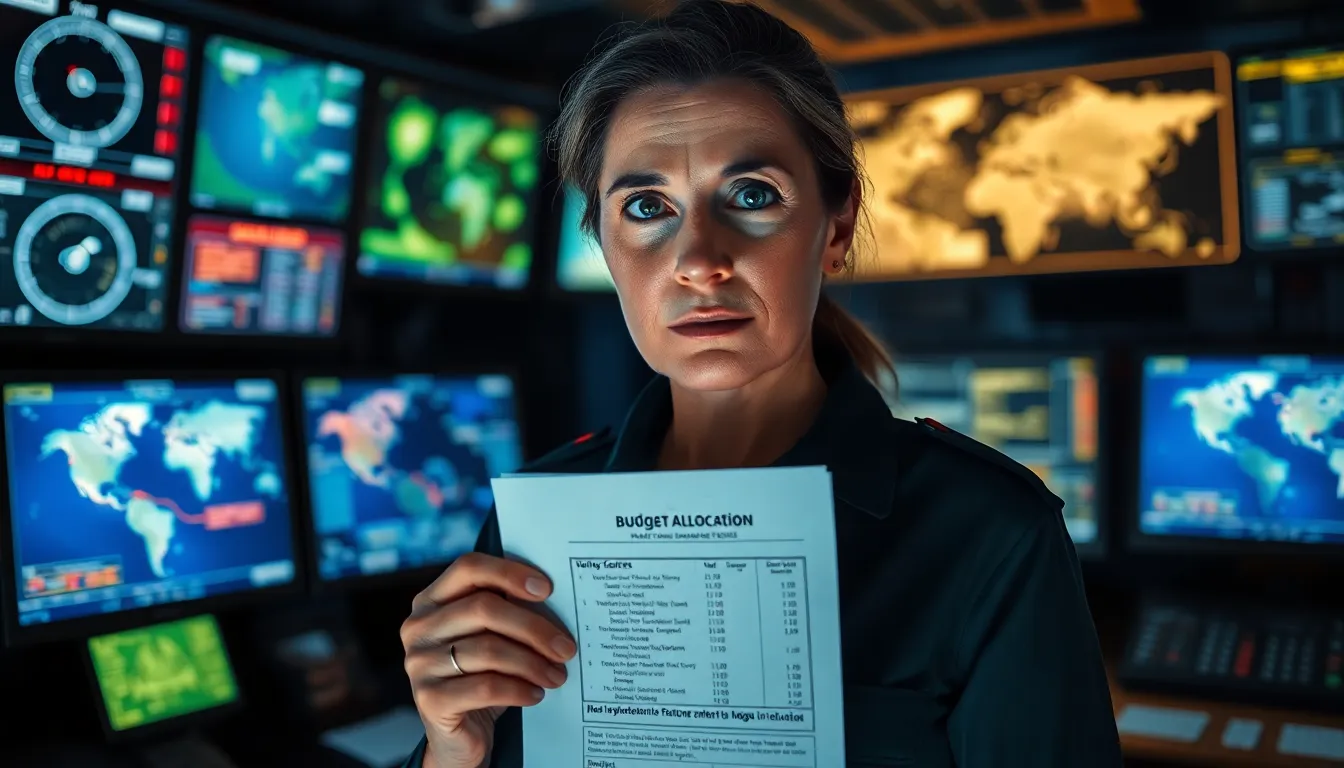
This silent game beneath the waves comes with a very loud price tag. Every time one of these submarines is suspected, it sets off a costly scramble. Navies have to deploy their limited number of advanced frigates, and air forces must keep expensive patrol planes in the sky, watching an empty expanse of ocean for a ghost. It’s a massive drain on resources that could be used elsewhere.
You can think of it as a hidden tax on our safety. Every dollar and every hour spent guarding these cables is money not spent on other urgent needs in our communities or on other national priorities. It forces tough, constant choices behind closed doors. Our collective security budget is being stretched to protect something most people don’t even know exists, yet we all rely on it every single day for work, news, and connection.
The Ocean Is No Longer A Quiet Place
The lasting result of all this tension is a fundamental change in the map. The North Atlantic, once a vast and open highway, is now a monitored domain. NATO ships and planes maintain a visible, constant patrol there. They are not hiding; their presence is the whole point. It’s a message sent by simply being seen.
This deliberate exposure is meant to prevent sabotage. By turning the lights on in a dark room, they make covert movements nearly impossible. The goal is to make any hostile actor think twice, knowing they are being watched. For us, it means the world feels a little less wild and a little more managed, but also a little more on guard. The frontier has become a fortress, and that shift changes how nations interact in spaces that belong to no one, yet matter to everyone.
Conclusion

So, we’re left with a world where the open sea is now a watched space. The silent, hidden games of the deep have forced a visible, public response. This new reality of patrols and presence is our lasting shield, a daily effort to keep the invisible infrastructure of our lives safe from a threat most of us will never see.
The takeaway is personal. It’s about recognizing that the stability we assume—the internet that works, the energy that flows—is actively being guarded in faraway waters. It asks us to appreciate the fragile, human-made threads that connect our modern world and the quiet, costly vigilance required to keep them intact.
What do you think? Does knowing Earth’s “delivery story” change how you feel when you look at the stars?