

 Munzir Hakimi
Table of Contents
Introduction

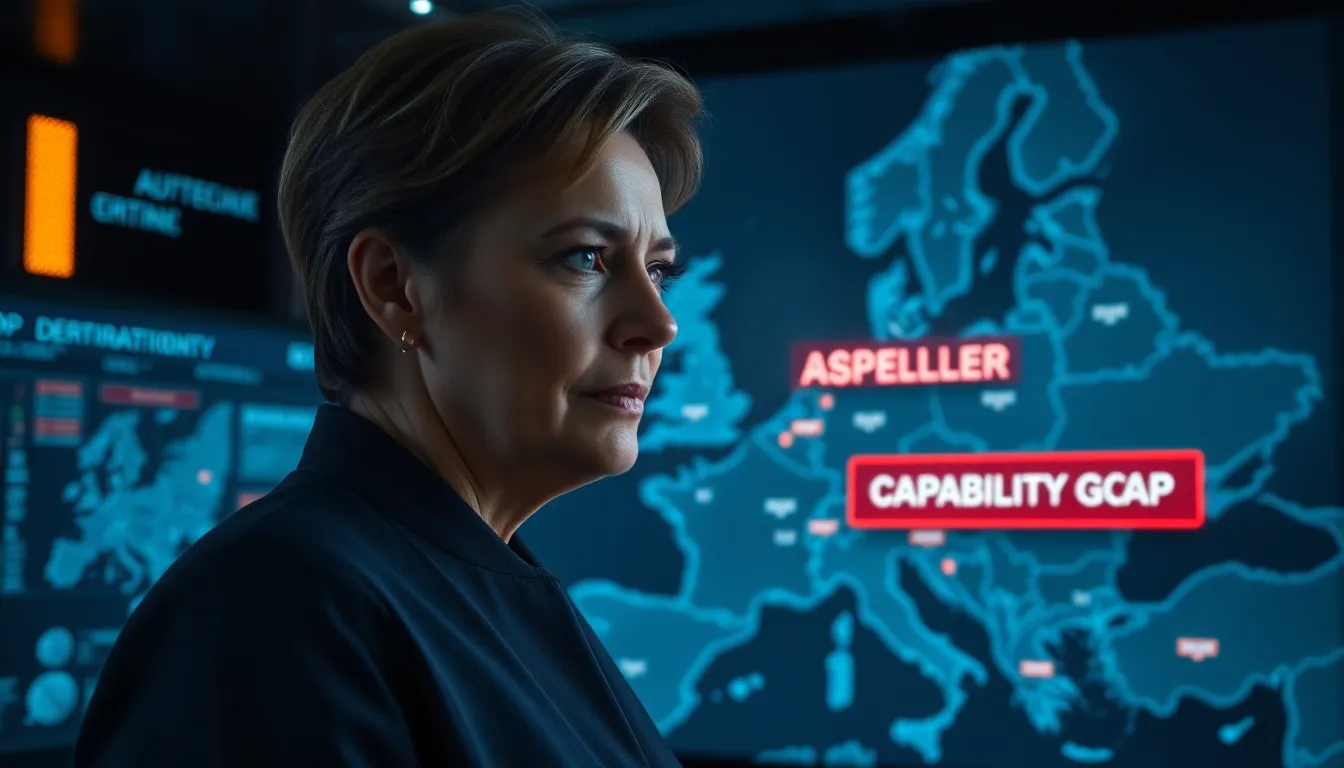
Imagine the ground shifting under your feet, not from an earthquake, but from a quiet conversation happening thousands of miles away. That’s the unsettling feeling spreading across Europe right now, as whispers from Washington about pulling out tens of thousands of American troops turn a long-standing certainty into a giant question mark. For decades, the US military presence has been a simple fact of life, a background hum of security that shaped everything from national budgets to a sense of safety.
This isn’t just about soldiers on a map. It’s about the daily reality of security for millions of people. If those troops leave, it forces military planners into a frantic scramble, it hits ordinary citizens in their wallets as governments rush to spend more, and it fundamentally changes how European leaders see their most powerful ally. The promise of protection now feels less like a rock-solid guarantee and more like a transaction. Let’s talk about what that new, wobbly world actually feels like to live in.
The Unsettling Whisper From Washington
The simple idea of a withdrawal creates a deep, gut-level uncertainty. It’s like hearing your most reliable friend might move away—suddenly, all the plans you built together need rethinking. For the people whose job it is to keep nations safe, this isn’t an abstract policy debate. It’s a sudden, urgent scramble to rewrite all their playbooks overnight.
Why should you care? Because this uncertainty trickles down. It means defense ministries are burning the midnight oil, shifting resources and asking ‘what if?’ instead of acting with confidence. That hesitation can have real consequences, making the entire security system feel slower and more fragile. It’s the human stress of not knowing what comes next, played out on a continental scale.
For anyone who values stability, this is a direct hit. It means the professionals tasked with protection are distracted by contingency plans instead of focused on the present. The very foundation of daily security feels less solid, and that anxiety doesn’t stay locked in meeting rooms—it changes the atmosphere of an entire region.
The Budget Squeeze Hits Home
When a major partner steps back, someone else has to step up, and that always comes with a price tag. This potential shift forces European governments to look at their own defenses and see glaring gaps they now have to fill, fast. That acceleration isn’t free. It means redirecting money from other priorities you might care about, like hospitals, schools, or roads.
This is where a distant strategic discussion lands in your pocket. Governments facing bigger defense bills have to make tough choices. The money has to come from somewhere, which could mean higher taxes or cuts to public services you rely on. Your national budget isn’t just numbers on a page; it’s a reflection of what your country values and can provide for you.
So the real human consequence is a trade-off. The feeling of security might come at the direct cost of something else that improves daily life. It forces a painful public conversation: do we feel less safe, or do we accept having less for everything else? That’s a heavy choice no one wanted to make so quickly.
A Conditional Friendship
This is the deepest change of all. The relationship has shifted. For generations, many Europeans believed American protection was a given, a pillar of the post-war world. Now, that belief is shattered. The security guarantee feels conditional, with strings attached. It’s no longer ‘we have your back,’ but ‘we have your back if…’
Why does this matter for how people feel? It breeds a sense of vulnerability and even loneliness on the global stage. Trust is replaced by calculation. European leaders now have to weigh every decision, wondering if supporting an ally’s other goals is the price for their own safety. It turns partnership into a tense negotiation.
This changes the emotional landscape. The comfort of a steadfast ally is gone, replaced by the unease of a transactional relationship. For citizens, it means the world feels more unpredictable. The rules you thought were permanent have changed, and that’s a disorienting feeling that affects how secure you feel in your own home, even if no immediate threat is at the door.
Conclusion

The lasting impact isn’t found in troop numbers or budget lines, but in that quiet, persistent unease. The realization that the strongest friendship you counted on now comes with conditions changes everything. It means living with a low-grade uncertainty, where security feels less like a right and more like something that must be constantly earned or negotiated.
The takeaway is deeply personal. It’s about learning to navigate a world where the old certainties are gone. For anyone paying attention, it’s a call to understand that the alliances shaping our daily safety are more fragile than they seemed. The feeling that matters now isn’t fear, but a sober awareness—the understanding that the ground beneath our feet isn’t as solid as we once believed, and we all have to learn how to walk on this new, shifting earth.
What do you think? Does knowing Earth’s “delivery story” change how you feel when you look at the stars?