

 Munzir Hakimi
Table of Contents
Introduction

You’ve probably felt that knot in your stomach when you pull up to the gas pump and see the price has jumped again. It’s a direct hit to your wallet and your plans. What if the reason for that jump wasn’t just about oil wells or taxes, but about warships and secret meetings on the other side of the world?
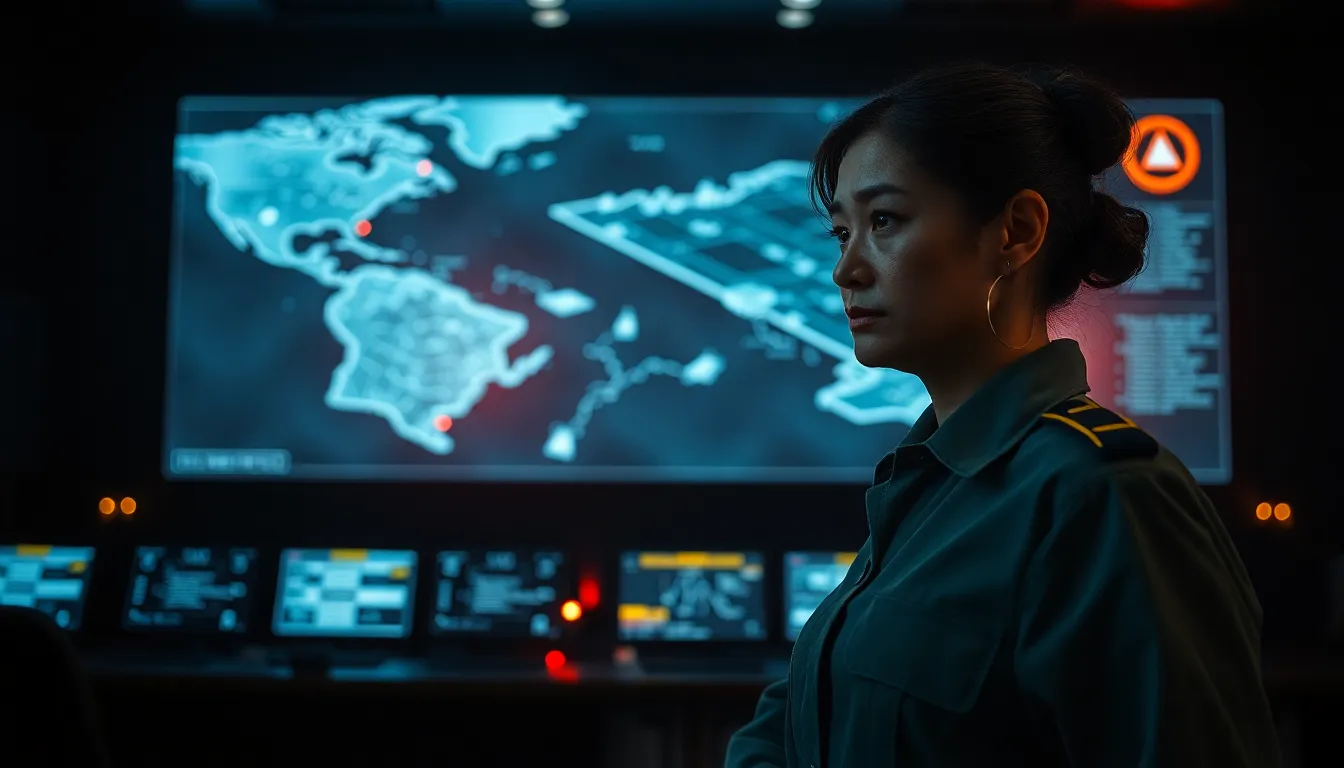
Right now, a group of powerful nations is moving beyond just talking. They’re actively planning military moves to protect a single, narrow sea lane that carries a huge chunk of the world’s oil and goods. This shift from words to action is sending shockwaves through global markets, threatening the flow of energy that powers our daily lives, and forcing old alliances to prove their worth in a whole new way. The price you pay for fuel is about to become a front-row seat to a high-stakes global drama.
When Talk Turns To Action
For a long time, we heard diplomats making serious statements about keeping a crucial shipping lane open. It felt distant, like background noise on the news. But the moment those same countries start planning specific military logistics—figuring out which ships go where and when—everything changes. That’s the signal the whole world watches for.
This isn’t just a political gesture anymore. It’s a tangible, physical escalation. Think of it like a neighborhood watch moving from having meetings to actually patrolling the streets. The global market pays immediate attention because real assets are being moved into place. It means the risk of a major disruption just became very, very real.
Why should you care? Because that market attention isn’t abstract. Traders and companies get nervous the second they see these plans. Their nervousness translates directly into volatile prices for oil long before a single ship is blocked. The plan itself, not the fight, starts costing you money.
Your Wallet Feels The Squeeze
This military planning puts a direct squeeze on the stability of our energy supplies. That narrow sea route is like the main artery for the world’s economic heart. If there’s even a whisper of trouble there, the entire system flinches. The fuel that gets your kids to school and heats your home travels through that very pinch point.
The consequence is simple but painful: your fuel costs become unpredictable. One week, prices might hold steady because the coalition’s presence is a comfort. The next, a minor incident could send them soaring because everyone is on edge. It’s not just about oil tankers, either. The toys, clothes, and electronics on container ships face the same risky journey, which can make everything more expensive.
This means the simple act of filling your car is now tied to events in a faraway strait. You might find yourself rethinking a weekend road trip or worrying about your winter heating bill months in advance. Global security just landed on your monthly budget.
Alliances Tested By A New Mission
This situation is doing something profound to the world’s military alliances. For decades, their main job was collective defense—protecting each other from an attack. Now, they’re being asked to do something different: use their military might for economic security. It’s a fundamental shift that’s testing these partnerships in real-time.
Nations are now actively coordinating warships and surveillance not to fight a war, but to keep trade flowing. It’s a strange, new day when a navy’s success is measured by the stability of commodity prices. This requires a whole new level of trust and coordination, because the mission is about guarding prosperity, not just borders.
For you, this means the old rules of global power are bending. The security that allows you to live your normal life is increasingly woven into these economic guardrails. It’s a reminder that the peace we often take for granted depends on complex, behind-the-scenes cooperation that is now facing a brand new kind of pressure test.
Conclusion

So, the next time you hear about military movements in a key shipping lane, remember it’s more than geopolitics. It’s a sign that nations are scrambling to protect the very foundation of our interconnected world. Alliances are being stretched and reshaped right before our eyes, tasked with a mission that directly guards the flow of our daily lives.
The takeaway is personal. Our economic security and personal budgets are now deeply entangled with these high-stakes military partnerships. Understanding this connection won’t lower the price at the pump, but it might help that knot in your stomach make a little more sense. You’re not just watching the news; you’re seeing the direct link between global strategy and your own kitchen table.
What do you think? Does knowing Earth’s “delivery story” change how you feel when you look at the stars?