Table of Contents
Technology’s Hidden Cracks
What would happen if your smart devices suddenly went offline? As our world becomes increasingly reliant on technology, over 60% of businesses report that operational downtime can cost them thousands of dollars each hour. With the rise in edge computing, ensuring uptime and continuity has never been more critical.In this article, we’ll explore the importance of redundancy for edge gateways and why investing in robust backup solutions is essential to avoid costly breakdowns.
The Importance of Redundancy
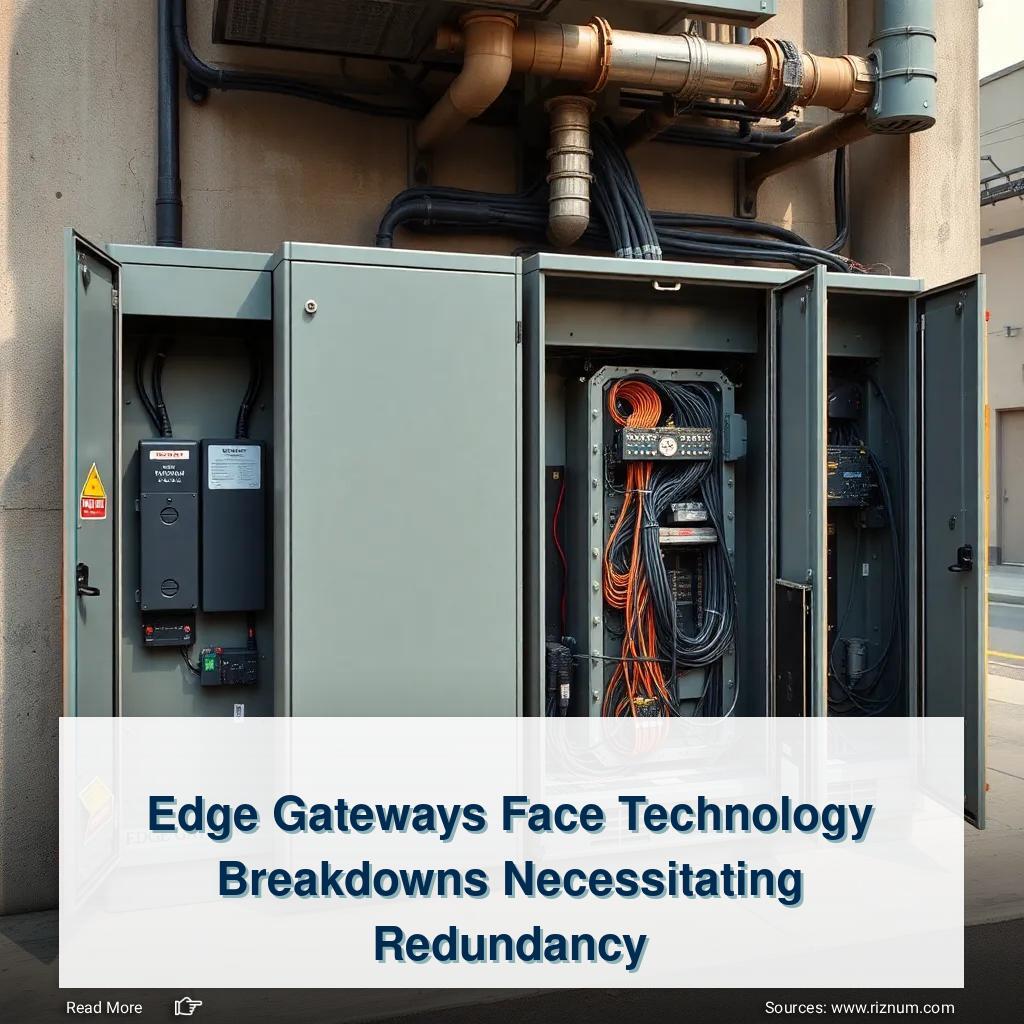
As industries pivot towards increased digital transformation,edge gateways are becoming vital conduits for data processing at the network’s edge. These devices facilitate quick communication between IoT sensors and cloud services, but they are not impervious to failure—malfunctions can arise from various factors including hardware defects or unexpected surges in demand.
- Risk Assessment: According to industry data from Gartner, only 30% of organizations currently have a extensive redundancy plan for their edge gateways.
- Downtime Costs: A single hour of downtime could lead to lost revenue ranging from $100,000 to over $1 million depending on company size.
- Business Continuity Plans: Organizations that integrate redundancy into their business models experience up to 40% less unplanned downtime compared with those without such measures.
In essence, adopting a proactive stance against potential failures through strategic planning allows businesses not only to mitigate risks but also increases customer trust and satisfaction.
Trends Reshaping Edge Gateway reliability
The landscape surrounding edge computing continues evolving rapidly; comparisons with just five years ago reveal a stark shift in operations. back then, around 25% of companies utilized redundant systems primarily as an afterthought—a trend that is now changing dramatically as integration becomes necessary due to market pressures.
A closer look reveals:
- An estimated increase in reliance on edge networks by over 80%, driven largely by IoT device proliferation.
- By 2025, experts anticipate the number of connected devices could surpass nearly 75 billion globally, intensifying demands placed on existing gateway infrastructures.
Adopting new technologies like AI-driven predictive analytics can enhance performance monitoring while considerably reducing failure rates—upwards of 50%,according to studies by McKinsey & Company. When organizations prioritize these innovations alongside established redundancies within their frameworks, they fortify themselves against unforeseen disruptions effectively.
human Impact: Keeping Users Connected
The implications extend beyond corporate interests; real lives hang in the balance when telecommunications fail during emergencies or natural disasters. Such as:
- During Hurricane Sandy (2012), widespread outages left millions without service amidst dire circumstances.
today’s consumers expect seamless connectivity wherever they go—even when facing unexpected challenges caused by flawed systems or equipment failures. Companies seeking success must acknowledge that every second counts during crises; thus implementing rigorous redundancy measures transforms stakeholder experiences positively across multiple fronts—from improved response times to enhanced user confidence levels scrolling through apps filled with important updates rather than error messages appearing ominously instead.
Future-Proofing Your Connectivity
Navigating today’s tech landscape requires foresight and adaptability coupled with strong infrastructure resilience strategies tailored precisely toward emergent realities unfolding daily before us all within dynamic environments marked not merely by opportunities alone but fraught also evermore unpredictably too! Businesses unable—or unwilling—to invest adequately risk falling behind competitors who embrace change boldly!
In summary: To remain competitive amid accelerating technological evolution while ensuring reliable access across any device means prioritizing investments made toward robust redundancy schemes yielding fruitful returns soon enough! Takeaway point?
Investing now ensures resilient pathways forward where connection remains intact despite uncertainties looming right ahead…
Would your organization weather an outage if it happened tomorrow?