Table of Contents
Robots Like Us

Can robots ever react as swiftly as humans, capable of learning and adapting in real time? Recent studies reveal that over 40% of robotics companies are exploring neuromorphic systems designed to mimic human brain function, thereby revolutionizing how machines learn and react. The implications of this technology can be seen across diverse fields including healthcare, automation, and even climate change management. In this article, we will dive into how neuromorphic controllers can enhance robot control, the potential advantages of this innovative approach, and the challenges that still lie ahead.
The Brain Behind Robots
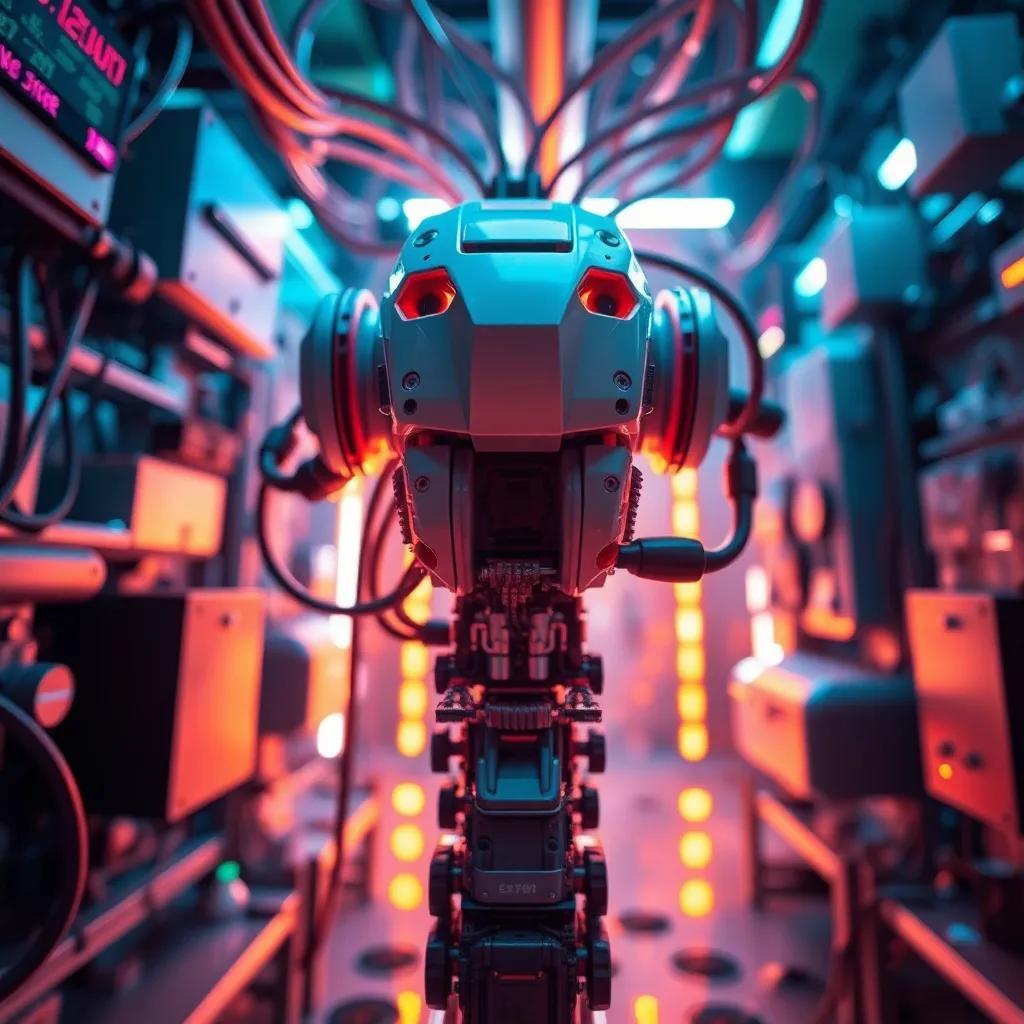
Neuromorphic controllers represent a significant shift in robotics. By mimicking the architecture of the human brain, these controllers process data more like biological neurons rather than traditional binary systems. This change is not merely academic; it promises to transform industries. For instance, neuromorphic computing could lead to robots that perform tasks with a 50% reduction in energy consumption compared to conventional models. As these systems learn through experience,their capability to adapt and operate in complex environments grows-especially in dynamic settings where split-second decisions are crucial.
- Key Advantages:
- Real-time learning and adaptation
- 50% reduction in energy costs
- Enhanced processing speed
- Improved efficiency in unpredictable environments
As industries integrate neuromorphic technology, we may see robots equipped to handle unexpected variables, making them invaluable in roles ranging from elder care to disaster response. This transformative potential signals an era where robots do more than act-they think.
Evolving Performance Metrics
The demand for real-time responses from robots is soaring. According to industry analysts, the market for neuromorphic computing is predicted to grow at a staggering rate of 27.5% annually until 2030, driven largely by advancements in artificial intelligence. This sharp uptrend implies significant investment in technology capable of rapid data processing and decision-making akin to human cognition.
One notable project is Intel’s Loihi chip, a neuromorphic processor designed to run complex algorithms in real-time. Early trials have shown that robots equipped with Loihi can respond to stimuli up to 100 times faster than traditional ais. Such performance metrics are groundbreaking; they not only expand the roles robots can take on but also improve safety in delicate operations where timely reactions can mean the difference between success and failure.
In this rapidly expanding market, organizations must leverage these emerging technologies or risk falling behind competitors who do. The focus on real-time interaction is now critical in both academic and commercial sectors.
Bridging Human and Machine Interaction
the implications of neuromorphic controllers extend into the very fabric of our relationship with machines. As robots become more adept at understanding context and reacting in real-time, they increasingly bridge the gap between human intuition and machine precision. Such as, consider robots in manufacturing; data shows that the use of intelligent robots has increased production efficiency by 30% in leading factories.
Moreover, industries like healthcare can greatly benefit from the deployment of these smarter systems. Robots capable of real-time patient monitoring can respond instantly to emergencies, improving patient outcomes substantially. As a notable example, studies indicate that automated systems equipped with neuromorphic technology could enhance patient safety by reducing response times by up to 45%.
Such advancements raise ethical questions about the extent to which we want machines to make autonomous decisions in critical situations. As we grapple with these complex dynamics, it’s clear that human-machine collaboration is on the brink of a new era.
Dreaming of Tomorrow
As we stand on the cusp of a technological renaissance, the potential of neuromorphic controllers invites us to reimagine what robots can achieve. With capabilities that closely mimic human thought processes, robots are poised to redefine our workplaces and daily lives.
In this landscape, one thing is clear: the technology that allows machines to learn and adapt in real-time is no longer sci-fi but a tangible reality. Can we embrace this evolution responsibly and ethically? The future of robotics may depend on it.
Reflect on this: Are we ready for a world where machines not only think but feel? The answer will shape the trajectory of humanity and technology.